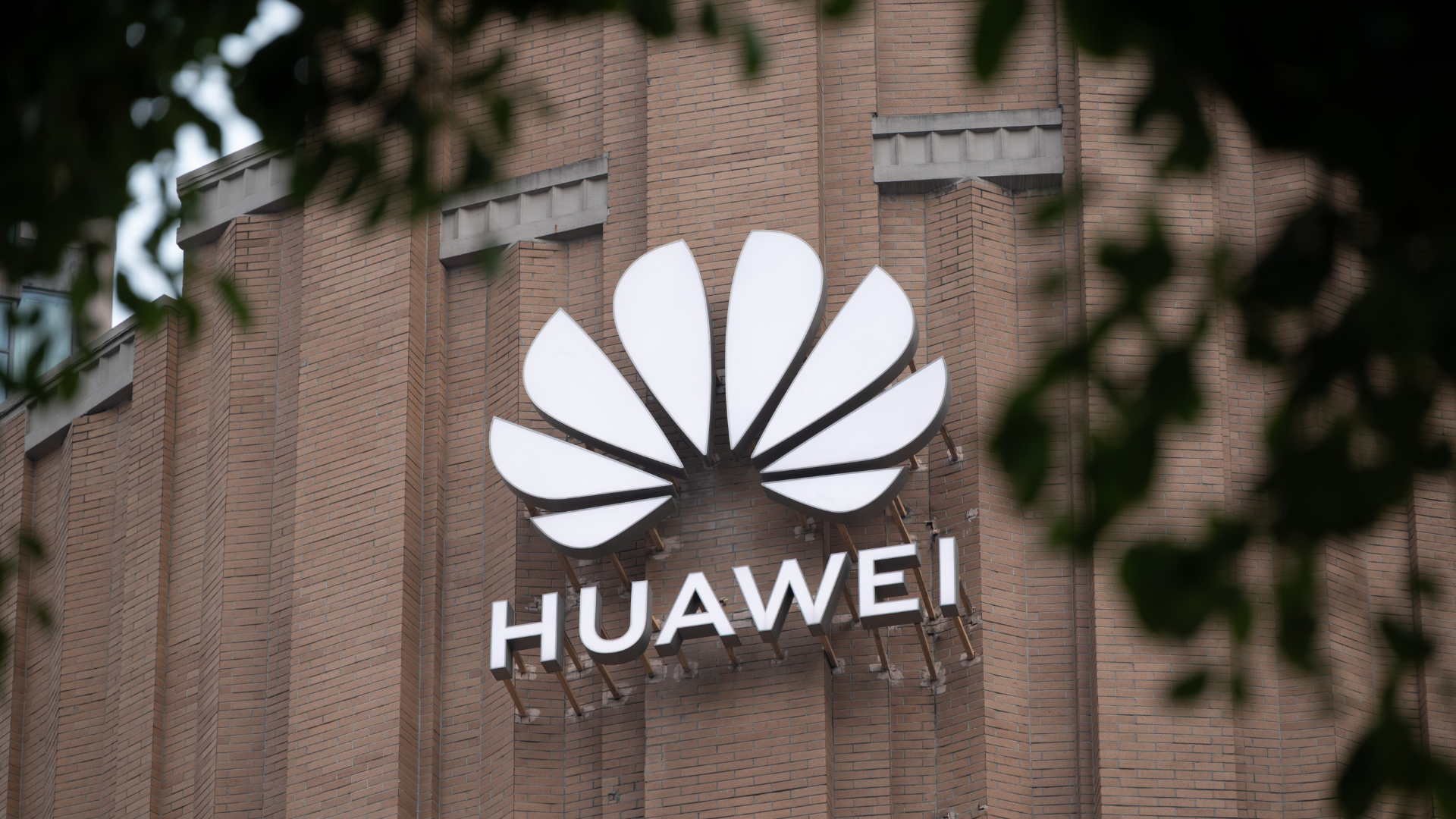
A jury has found Huawei guilty of bank fraud, wire fraud, money laundering conspiracy, conspiracy to steal trade secrets, and violations of the U.S. sanctions against Iran, among others. According to Bloomberg, the verdict was the result of a nearly three-month trial in which a foreign company has been prosecuted by the U.S. Department of Justice. This is a rare occurrence, resulting in a conviction of 10 out of 12 counts, with the Chinese company getting cleared of conspiracy to obstruct justice and racketeering conspiracy.
“Today’s verdict makes clear that fraud, sanctions evasion, and the theft of intellectual property are not business strategies, they are serious crimes,” James Barnacle, the Assistant Director in Charge of the FBI New York Field Office, which conducted the investigation on the tech firm, told the publication. “Huawei’s success was built on deception and theft, and the FBI will never hesitate to pursue those who profit by breaking the law.”
Huawei has long been in the crosshairs of the U.S., with the company getting banned from the country in 2018 alongside other Chinese telecommunications hardware manufacturers. It has even sued the U.S. government, claiming that the equipment ban against the company is unconstitutional. Nevertheless, Washington proceeded with the move and built a case against the company as early as 2019. This has been hit by multiple delays, though, owing to the COVID-19 Pandemic, as well as Huawei’s multiple attempts to halt the investigation even before the case went to trial. There was even an allegation that two Chinese intelligence officers offered $61,000 in Bitcoin to a U.S. law enforcement official to get insider information about the case.
It was also in 2018 that the daughter of Huawei founder and company CFO Meng Wanzhou was arrested in Canada on suspicion of the firm’s attempt to circumvent U.S. sanctions on Iran. Washington even attempted to have her extradited to the U.S., but she was able to return to China in 2019 after admitting to the company’s illegal business in Iran. Aside from that, the U.S. Department of Justice provided other examples of Huawei’s violations, including the theft of T-Mobile’s robotic touch screen testing robot, with a Huawei employee stealing a part of the device from T-Mobile’s controlled lab, the copying of Cisco router source code, another Huawei employee photographing proprietary Fujitsu equipment, and using confidential information gathered through an NDA from Quintel, a U.S. antenna manufacturer, which was subsequently included in Huawei’s patent application.
On the other hand, the company’s lead defense attorney, Brian Heberlig, focused on its acquittal on two of the charges. “It’s hard not to have profoundly mixed emotions from the verdict we just heard,” Heberlig told Bloomberg. The racketeering conspiracy “alleged that the company was corrupt from top to bottom, that it had a corporate culture and policy of cheating, stealing, and lying, and the jury found the company not guilty on that charge.”
Sentencing hearing for the company is set for September 2027, although it’s still unclear what penalties the U.S. government is seeking. The Chinese Foreign Ministry, on the other hand, said, “The Chinese government firmly opposes the U.S. suppression and containment of Chinese companies and firmly supports Chinese companies in safeguarding their legitimate rights and interests.”


