AI & ML
Human-LLM Cognitive Extension: A Framework for Studying Coupled Cognition
arXiv cs.HC0 views
arXiv:2611.24149v1 Announce Type: cross Abstract: Recent research on the use of Large Language Models (LLMs) reports divergent cognitive outcomes, including improved assisted performance, limited transfer, and compromised unaided learning. Here, we argue that part of this seeming inconsistency arises because studies often assess different cognitive systems without making the unit of analysis explicit. Building on work in extended and distributed cognition, we propose the Human-LLM Cognitive Extension (HLCE) as a methodological framework for matching experimental designs, measures, and causal inferences to four distinct systems: the human acting independently, the artificial agent, the joined human-LLM configuration, and the human after division. The framework also treats the coupling architecture as part of the experimental object. HLCE separates performance augmentation, system-level complementarity, post-interaction human change, and stronger claims of constitutive cognitive integration. This separation can improve the interpretation of existing evidence and guide the design of human-LLM interactions without assuming in advance that these configurations constitute extended minds. We illustrate the application of HLCE with a synthetic diagnostic experiment comparing two connecting configurations that differ in how supporting information is communicated. The example highlights how distinct couplings can shape the organization of joint problem-solving, even when the final outcome remains unchanged. Overall, HLCE provides a methodological basis for designing controlled experiments and interpreting evidence across distinct forms of human-LLM cognitive interaction.
Source:https://arxiv.org/abs/2611.24149PreviousEffects of Locomotion and Viewpoint Control on Immersive Robot Telepresence for Navigation and InspectionNextA Foundation Model to Measure and Predict Human Behaviour
Related posts

MrMWSK Studio
0dev.to Programming

Pick the Model Per Task, Not Per Project: My Aider Cost-Control Rules
0dev.to Programming

Review AI Edits Like a PR: My Aider Git Routine (Undo Ladder Included)
0dev.to Git
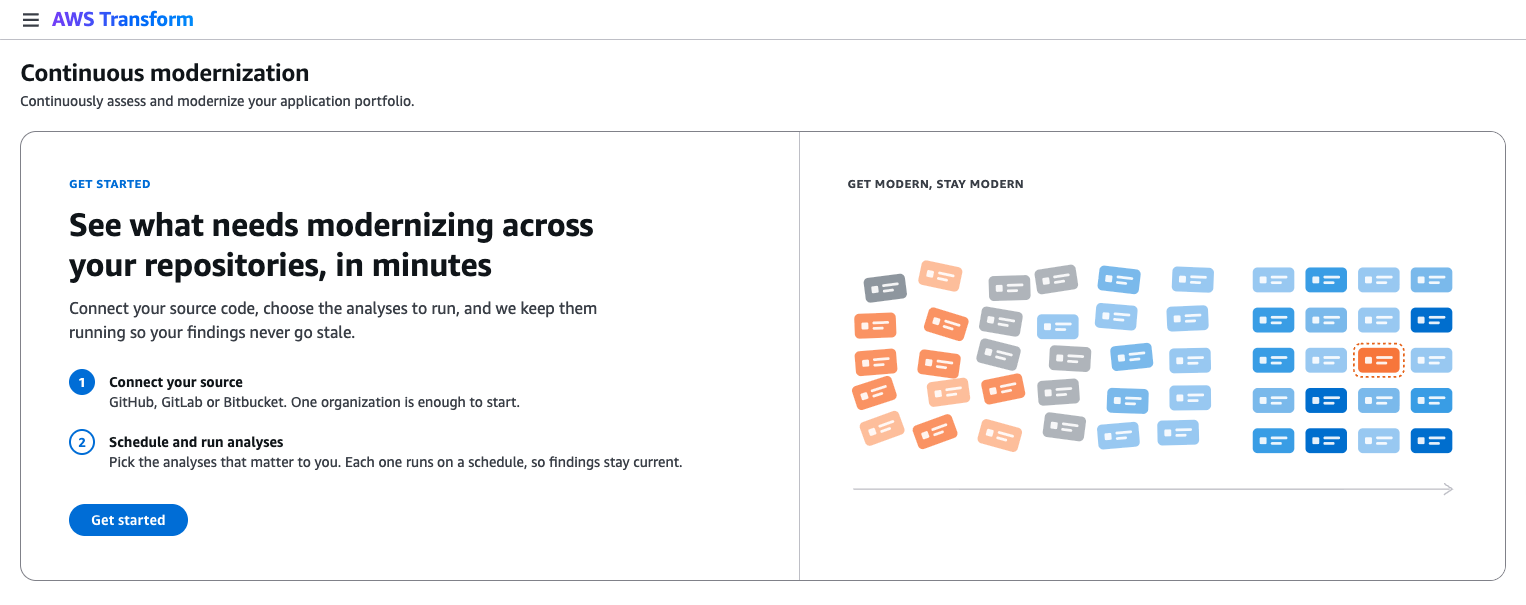
What’s new in AWS Transform – continuous modernization for re:Invent 2026
0AWS DevOps Blog
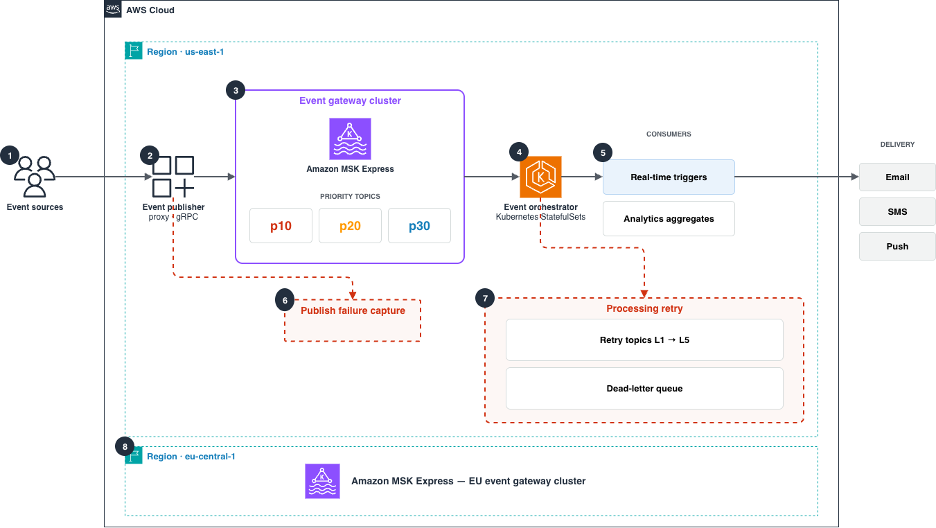
How Klaviyo processes 3 billion daily events at scale with Amazon MSK Express
0AWS Big Data Blog
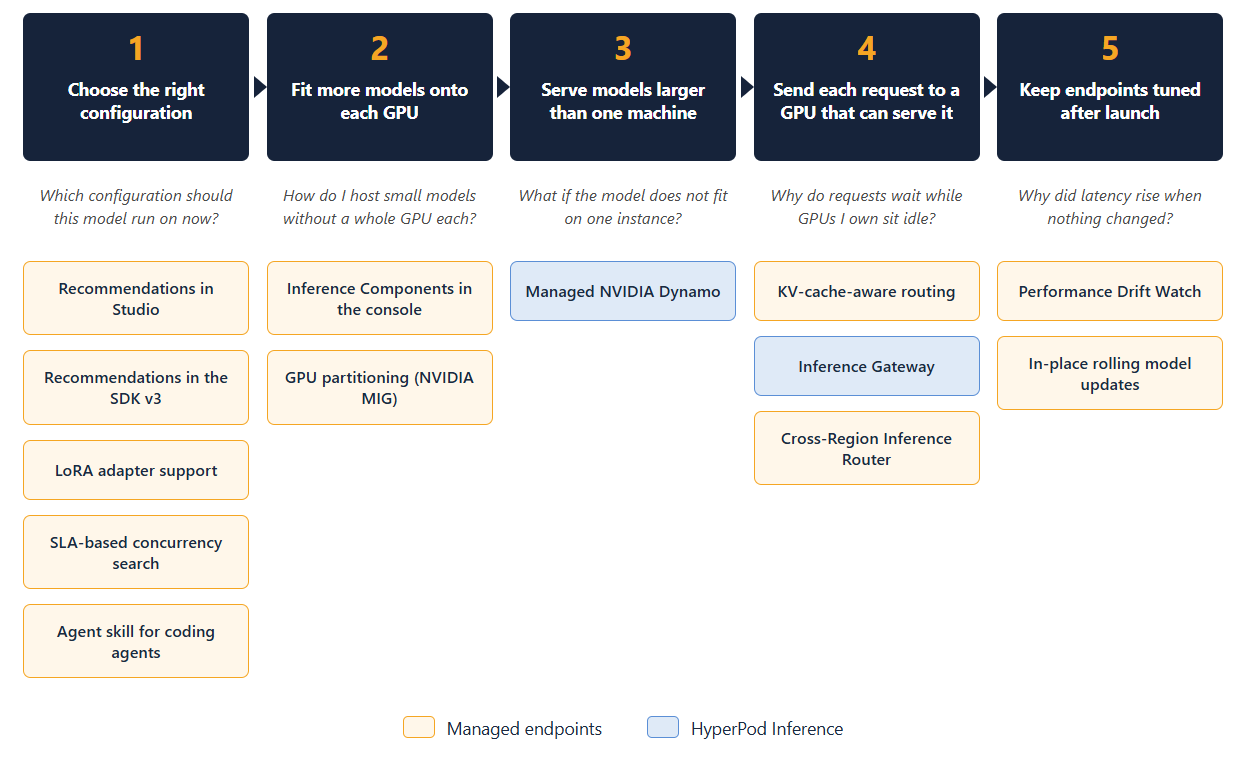
Amazon SageMaker Inference: 2026 launches in review, part 2
0AWS Machine Learning Blog