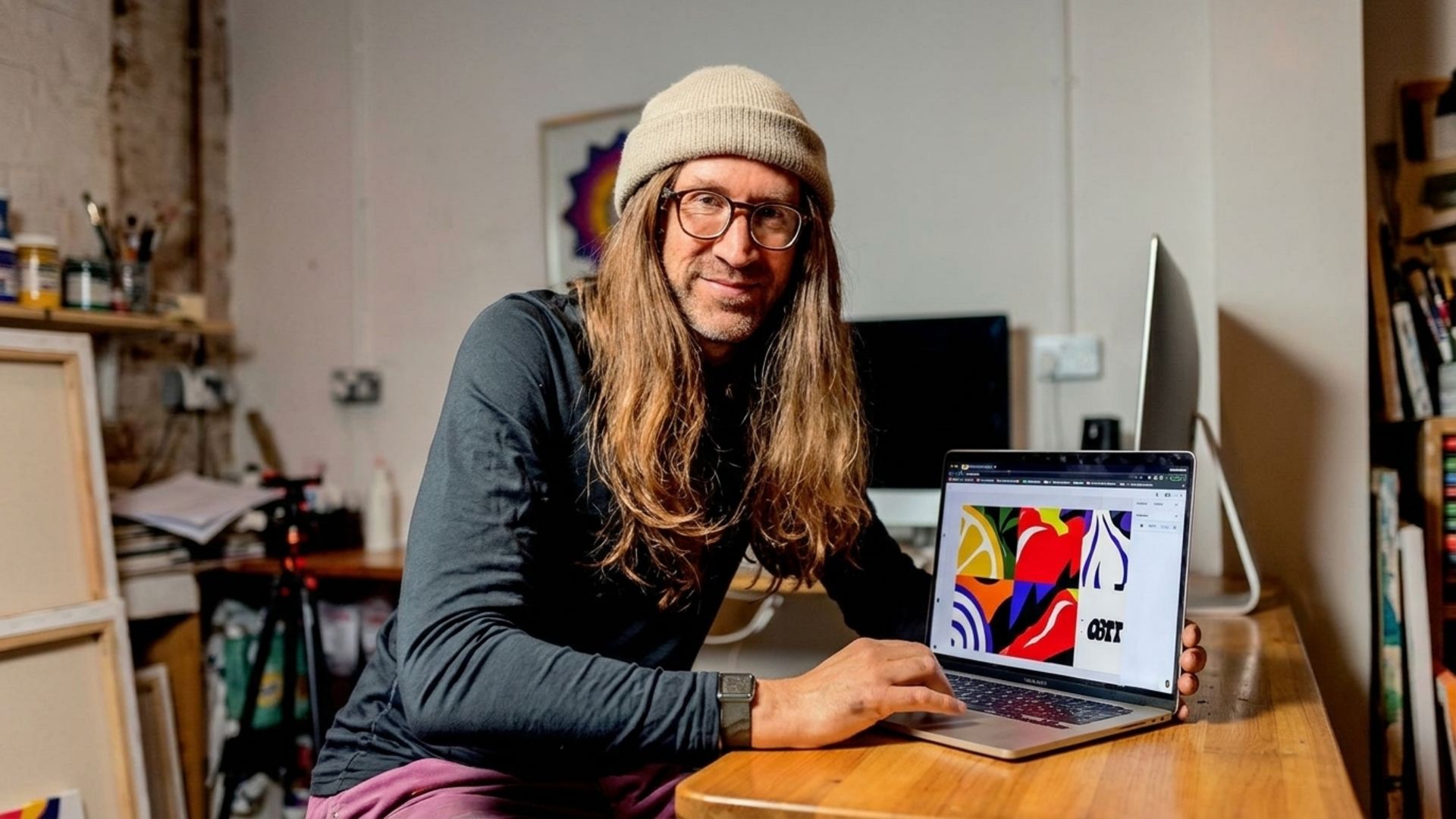
- NIVA reportedly attracted nearly 30,000 users within its first 48 hours
- 56% of early users created something within 40 seconds of access
- Browser-based tools combine photo editing, vector graphics, and graphic layout
A new graphic design platform has attracted nearly 30,000 users within 48 hours of becoming publicly accessible, offering creative tools without subscription fees.
Called NIVA, the browser-based software allows users to produce visual projects without relying on AI tools to generate their designs.
Its launch comes amid growing disagreements over automation and the increasing costs associated with established professional design applications.
A browser-based creative studio attracts thousands of users
British conceptual artist Stuart Semple developed NIVA after becoming concerned about AI increasingly entering software used by professional designers.
Within the first two days of its launch, 56% of users created something within 40 seconds of accessing the software.
That early activity suggests considerable interest in tools that allow users to undertake creative work rather than delegate production to automated systems.
NIVA combines several creative capabilities within an accessible browser environment, removing the need for conventional desktop installations.
Its approach also differs from template-driven services, allowing users to exercise their own judgment when developing visual projects.
“It’s not template-based like Canva, it has no AI to do it for you and it doesn’t have a million features you'd never use. It’s a place to really practise your craft. It’s for people who still believe in making stuff,” Semple said.
The software's emphasis on independent creation comes as artificial intelligence becomes increasingly common across applications used by professional designers.
For creators concerned about automation, the availability of software without AI-generated designs offers another way to approach everyday creative work.
NIVA challenges the direction of established design applications
Adobe has continued expanding artificial intelligence capabilities across its creative software, including applications widely used by professional designers and digital artists, and recently revealed additional AI developments that attracted criticism from some creative professionals.
Concerns include the possibility that increasingly automated workflows could reduce opportunities for designers to practise traditional skills and develop technical expertise.
NIVA takes a different approach by leaving the creative process in users' hands rather than offering automated shortcuts for producing finished work.
Its introduction also comes amid continuing dissatisfaction with subscription-based software, particularly among independent creators facing recurring payments.
Earlier in 2026, Adobe agreed to pay $150 million following a settlement with the US government concerning its subscription and cancellation practices, without admitting wrongdoing.
Although the settlement concerned subscription practices rather than artificial intelligence, it adds context to continuing criticism of established creative software companies.
Semple has criticized software companies for repeatedly charging creators while introducing automated capabilities into applications that professionals depend upon daily.
“Good design comes from taste, emotion and understanding,” said Semple, emphasizing the importance of human judgment in creative production.
The circumstances surrounding NIVA's development also involved an interruption that required its creator to abandon the project's original identity.
Semple acknowledged that legal considerations forced him to start again midway through development, although he declined to discuss the details publicly.
NIVA is now accessible through its website, offering creators worldwide an opportunity to explore its tools without subscriptions, downloads, or artificial intelligence.