General
Minimax estimation for simultaneous deconvolution model in random design using wavelets
arXiv stat.TH0 views
arXiv:2611.23439v1 Announce Type: new Abstract: Simultaneous deconvolution model is investigated when the design points are random and follow bounded densities and errors are either $i.i.d.$ or long-memory dependent. We propose wavelet hard-thresholding estimators, and show that they achieve asymptotically near-optimal convergence rates for the $L^2$-risk when the response function belongs to Besov space under both $i.i.d.$ errors and homoskedastic, long-memory errors. However, under heteroskedastic, long-memory errors the estimator is not optimal. For the $i.i.d.$ errors, the convergence rates are {identical} to those found in simultaneous deconvolution under regular design {and $i.i.d.$ errors}. However, for long-memory dependent errors, the convergence rates are new {and completely different from those in simultaneous deconvolution under regular design and long-memory errors}.
Source:https://arxiv.org/abs/2611.23439PreviousToward Agentic Retrieval-Augmented Generation for Enterprise Retail Workflows over Heterogeneous Data SourcesNextFederated Differential Privacy with Batch Contamination
Related posts

Germany and Austria Call for European Control of TikTok
0Hacker News

Cooling buildings is overtaking heating them as an energy need, IEA says
0Hacker News
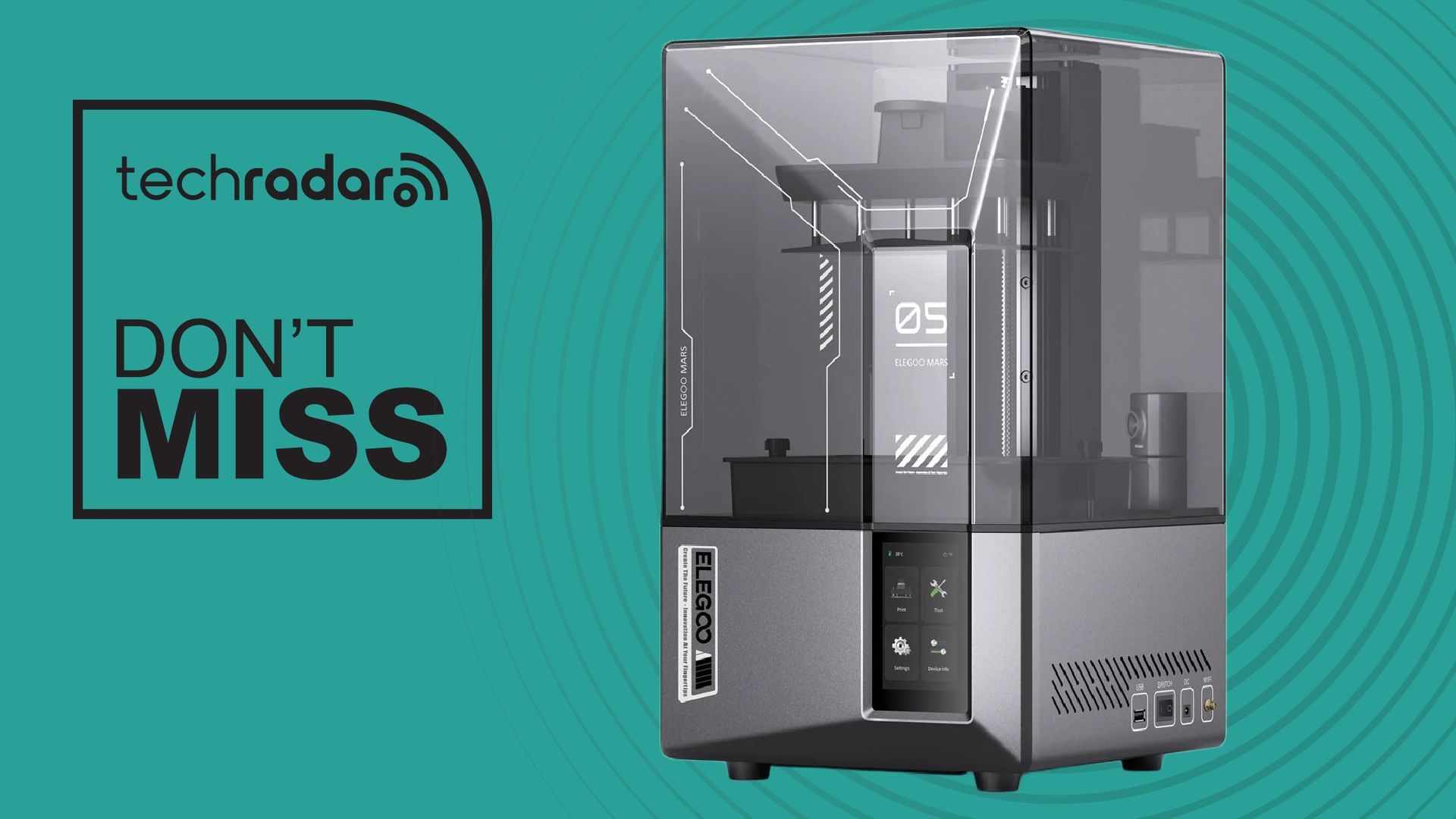
Elegoo Mars 5 Ultra resin 3D printer deal drops to $259 for Black Friday
0TechRadar
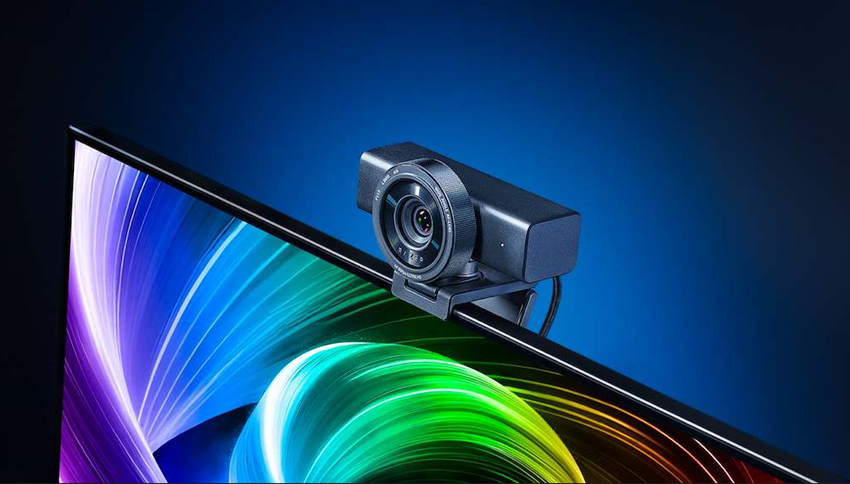
The Razer Kiyo V2 X is ideal for streaming, gaming, and working, and it’s £33 cheaper at Argos ahead of Black Friday
0TechRadar
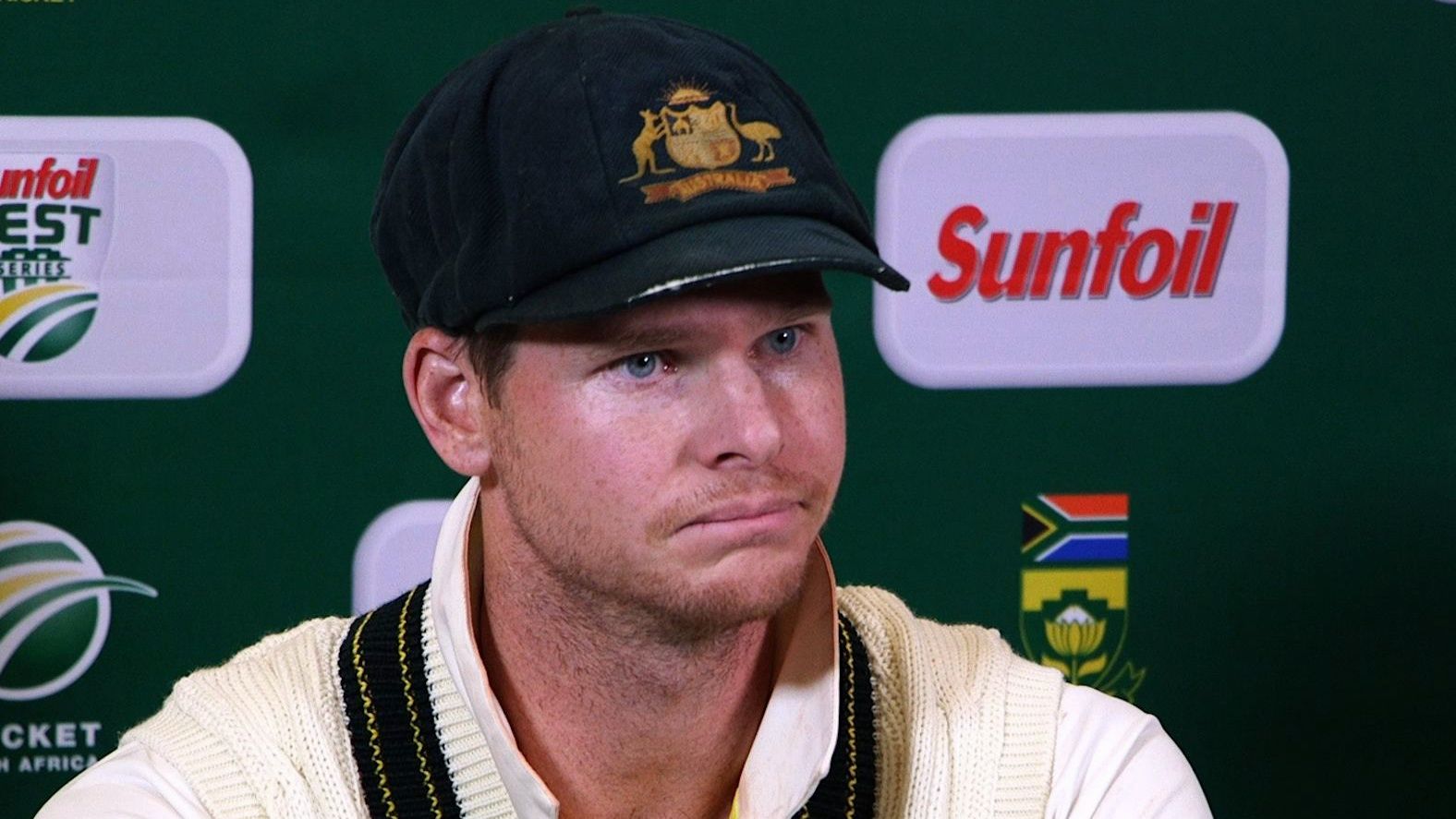
Before you judge Sandpapergate, watch these 3 documentaries
0TechRadar
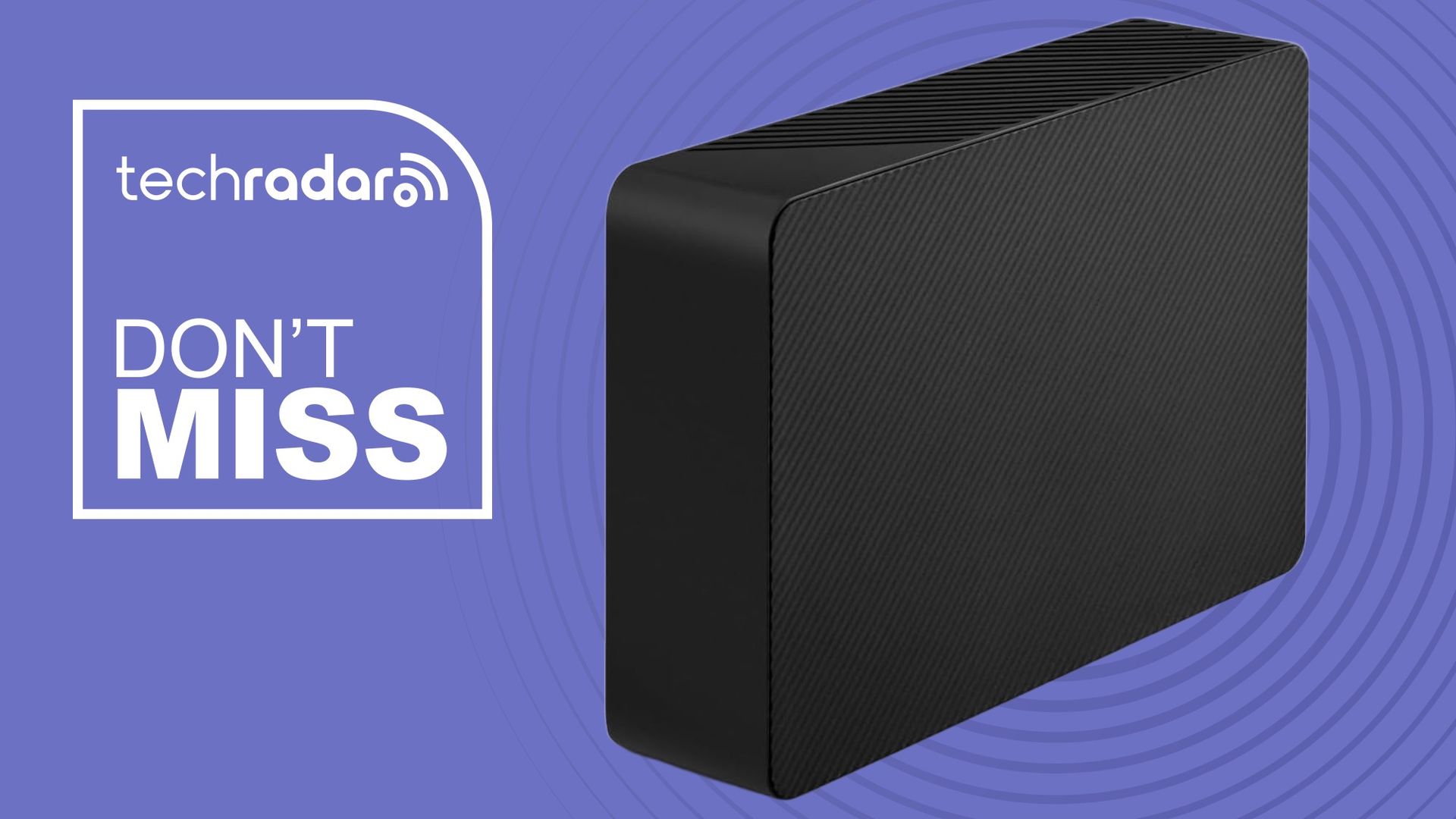
Seagate’s shuckable 20TB Expansion desktop hard drive drops to $500 ahead of Black Friday
0TechRadar