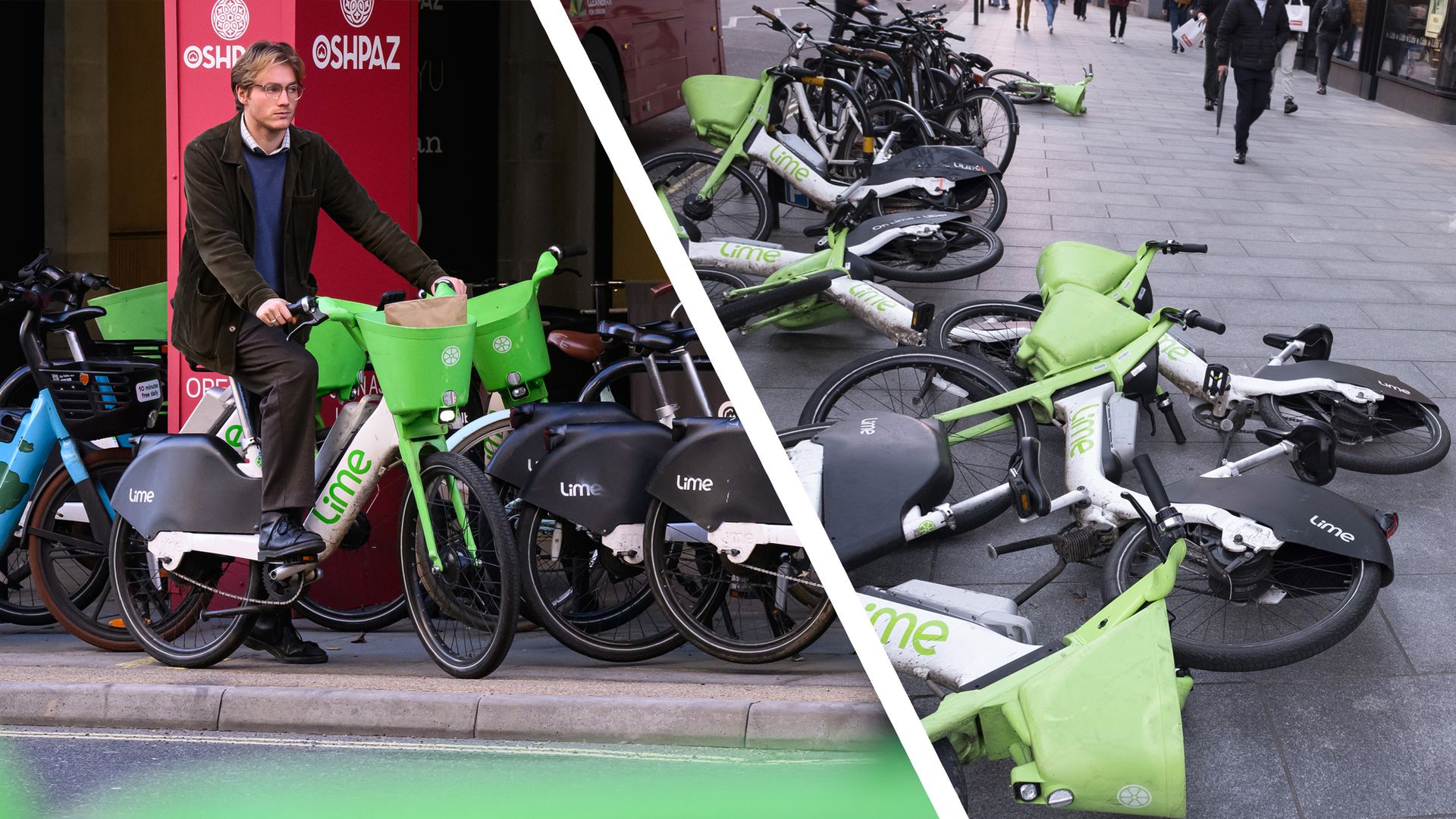
If you've ever used a shared e-bike in the UK, you'll know it can be a really convenient, cheap, and environmentally friendly way to get around. They're good exercise, too. But until now, their use has been largely unregulated — and that's created some big downsides, too.
Now Downing Street wants to change that. The UK government is putting forward a swathe of measures to tackle issues like e-bikes blocking the pavement, too few parking spaces, and problems with anti-social rider behaviour.
“I think the fact that we are consulting on this new licensing regime means that we can start to bring some order to the chaos that some people see in some parts of big cities where these e-bike schemes, rental schemes have popped up,” Transport Secretary Heidi Alexander told the Press Association.
"There are a small minority of people who choose to behave recklessly but sadly, that is true of any type of way that people move around in a town or a city, and you can’t legislate for the idiots. But we can take sensible steps to give local leaders more power over the way in which these types of schemes operate,” she added.
A law has already been passed to begin the process of licensing e-bike hire companies. What's new now is this public consultation, running until the end of 2026, during which citizens, lawmakers and e-bike companies can have their say.
Why is 'nuisance' e-bike parking still such a problem?
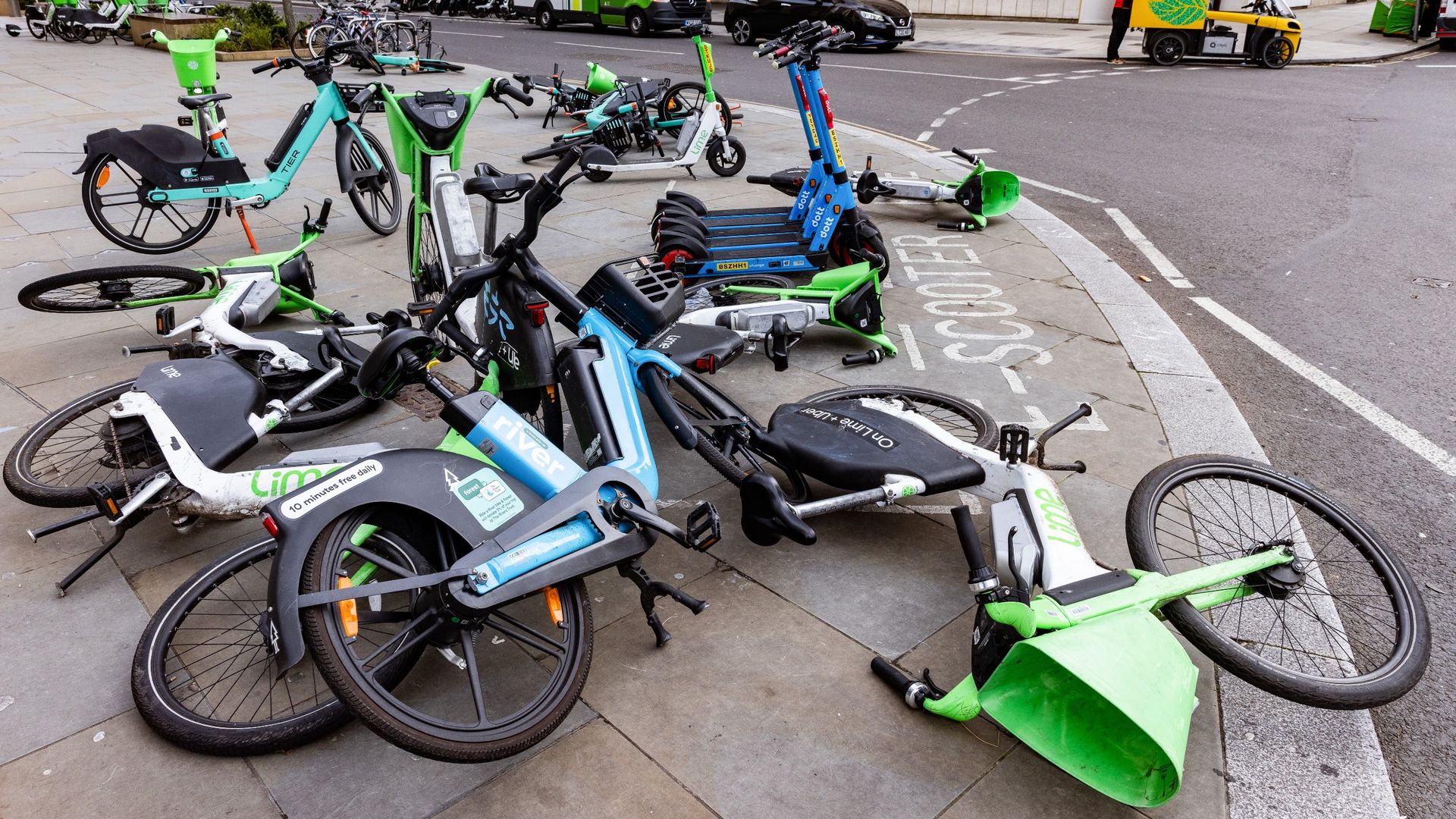
It's estimated that there are around 350,000 shared e-bike trips every day in London alone, and that's a lot of bicycles. In most regions, there are no rules about where bikes can be picked up from or left, and not enough designated parking spaces to go around — the accompanying apps simply direct users towards them via GPS.
That's led to plenty of overcrowding on the pavements, and e-bikes being left in areas that make life difficult or dangerous for pedestrians. Earlier this year, e-bike hire operator Lime apologised for one of its parked e-bikes forcing a blind man into the road with his guide dog. There have also been issues with riders not being able to complete journeys because of the patchwork of different rules and guidelines across individual London boroughs.
Anti-social behaviour from riders has been an issue, too: Users who hire the cycles when drunk, or in a way that endangers themselves other people around them. There have long been calls for the operators to take more responsibility for how their bikes are used.
Making the operators more responsible is difficult for councils that have no real powers and very little data about how the e-bikes are being used — at the moment they're relying on the goodwill of the e-bike companies and the voluntary agreements that are in place, which is something the government wants to improve upon and formalise.
What is the government proposing to do about it?
There's quite a bit to dig into when it comes to the new measures. The government says there will be new parking plans that make sure e-bikes aren't "inconveniencing the public" when they're not in use, and there will be fleet management plans too, designed to reduce bike overcrowding (think limits on the total number of bikes in an area).
In addition, fleets of bicycles will need to be properly maintained under the new guidelines, so you can be sure that you're getting on something safe when you ride a shared e-bike — and that pedestrians and other road users aren't going to be put in danger by a faulty battery or wheel.
We recognise the current patchwork approach is confusing for riders, councils and operators, all of whom deserve greater clarity and certainty.
Wayne Ting, Lime CEO
Speaking of pedestrian safety, the proposals might also potentially cover insurance requirements for operators, so they'd be able to pay out compensation if someone got hit by a shared cycle and its rider. More parking spaces for e-bikes and more accountability for operators in regards to how their e-bikes are used are also planned.
With stronger rules in force, and closer partnerships with the e-bike companies involved, councils will have greater powers to punish those who are found to be in breach of the guidelines — whether that's leaving an e-bike in an appropriate and unsafe space, or getting behind the handlebars while intoxicated.
What have the e-bike companies said?
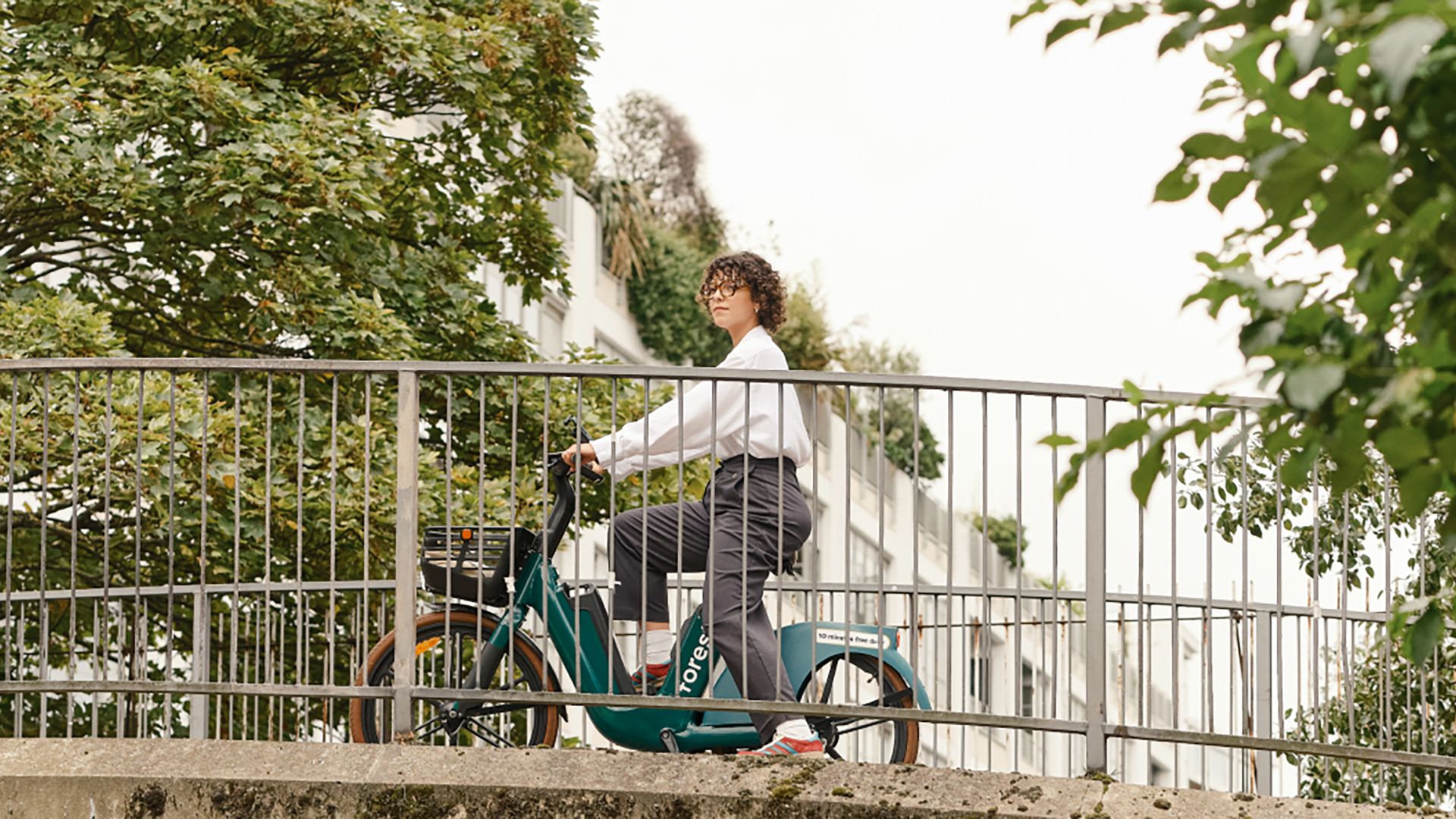
The e-bike companies are largely for the proposals. Certainty over the legitimacy of bicycle hire schemes means investment can be increased, while the confusion over current guidelines — which are largely voluntary and vary from council to council — isn't really helping any of the parties involved. Under the government's new proposals, hire companies might also get funding help for infrastructure like parking bays.
"We welcome the government’s consultation on national standards for shared e-bikes," said Georgia Heathman, Public Policy Manager at Bolt. "98% of Bolt rides already end with a correctly parked bike, which shows what clear rules and effective management can achieve. We want to see that standard applied consistently across the country, and support the consultation’s ambition to give local leaders the tools to licence schemes that suit their communities and raise the national bar."
"We recognise the current patchwork approach is confusing for riders, councils and operators, all of whom deserve greater clarity and certainty," commented Wayne Ting, CEO at Lime, which is the largest shared e-bike operator in the UK. "Today’s consultation is an important step forward."
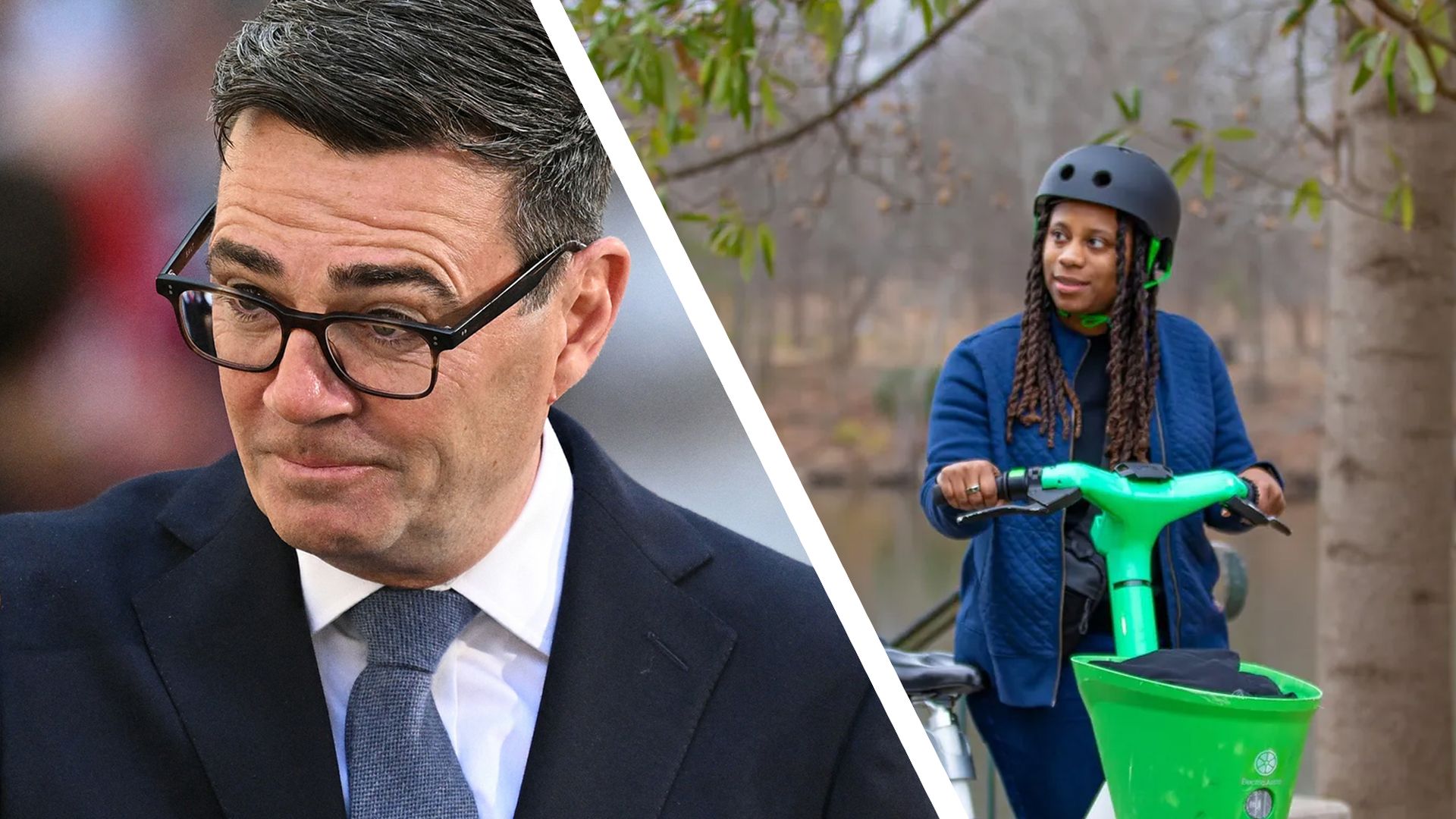
The CEO of Forest, Agustin Guilisasti, chimed in with a call for "national standards", and for a "coherent, well-regulated" system going forward, while Prime Minister Andy Burnham said one of the main aims of the new consultation would be "giving communities more control over where [shared e-bikes] are parked and making sure companies and riders play by the rules".
Will this really solve the problem?
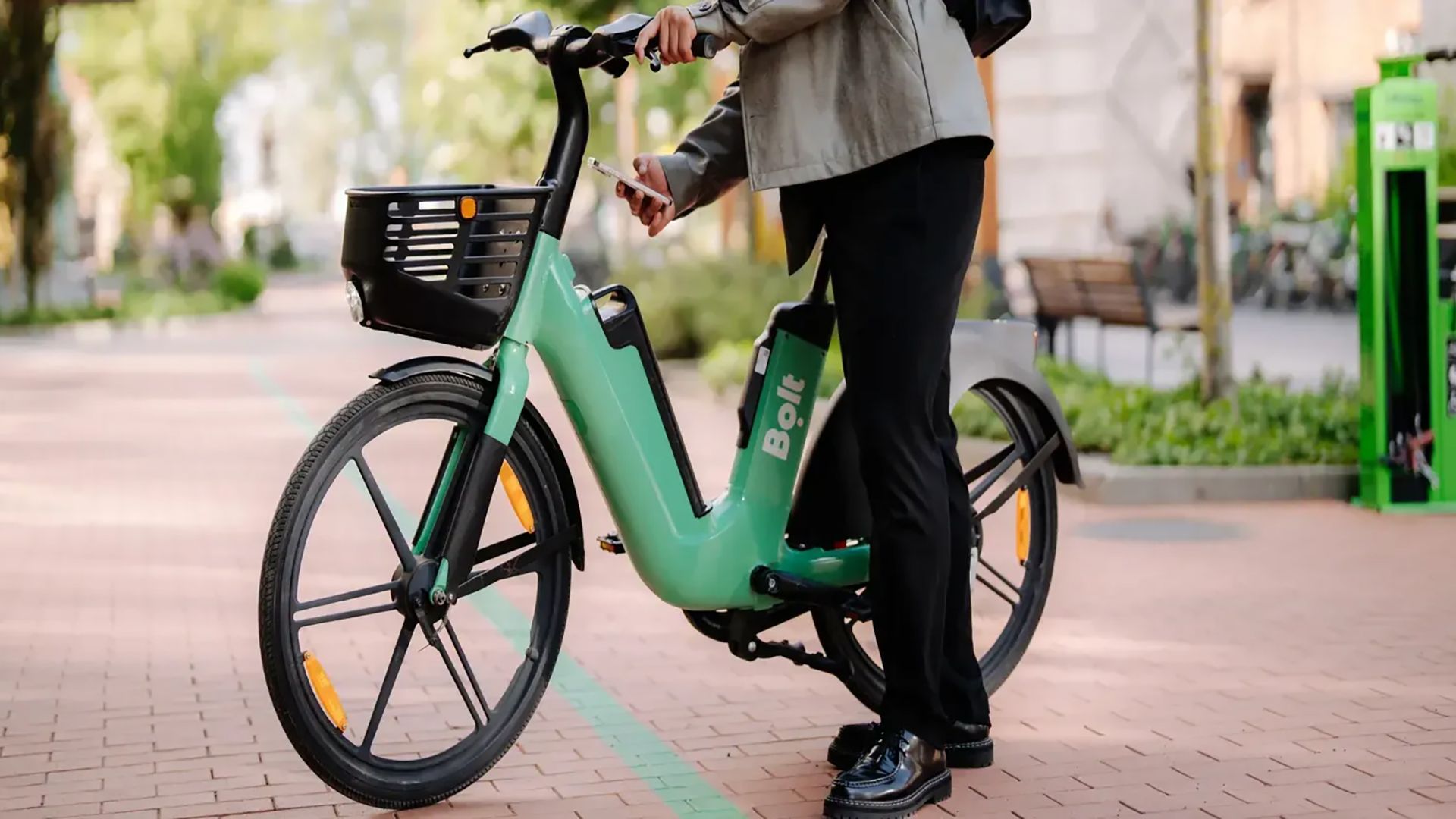
Time will tell, but there seems to be cautious optimism among those involved at the moment that new laws and regulations will make a genuine difference to the experience of shared e-bikes for those riding them and the general public at large. Transport Secretary Heidi Alexander is taking the lead here, promising that local leaders will ultimately get powers to "stop nuisance parking, tackle anti-social behaviour and make journeys safer".
"We hope licensing can be a way to provide suitable and well-enforced parking spaces for this highly popular, low carbon mode of travel and so help the government deliver on its own commitment to scale up shared mobility," Richard Dilks, CEO of shared transport organisation Collaborative Mobility UK (CoMoUK), told TechRadar. "Any regulation should protect the many benefits that these schemes bring, including boosting the rates of active travel, improving air quality, and reducing traffic congestion."
Mike Wordingham, Head of Policy at the Royal National Institute of Blind People, acknowledged that "tackling rider behaviour will be difficult, and it’s vital the desire for local flexibility doesn’t lead to a patchwork of regulations and inconsistency in implementing them".
Any regulation should protect the many benefits that these schemes bring.
Richard Dilks, CEO of CoMoUK
"There's clearly a case for regulation of dockless e-bikes to ensure everyone can travel around cities safely and quickly," Anthony Breach, Director of Policy and Research at Centre for Cities, told TechRadar. "A key test will be how much responsibility the mayors have — different cities are different, and it's right that mayors can design policy on dockless bikes that work for the city as a whole."
"Regulations have costs, and we should expect there to be at least a small impact on cost and convenience," adds Breach. "But the lack of regulation of dockless bikes is also affecting the convenience and costs of other highway users, too. The challenge for government and the mayors is maximising convenience while minimising price across every form of urban transport."
E-bike operators are already testing in-app features like intoxication tests (via a response time analysis) and safe parking checks (via user-taken photos scanned by AI), but the consultation is an opportunity for everyone to have their say on the best rules and regulations going forward — you can contribute yourself here.


