- Many UK smart meters rely on 2G and 3G connectivity
- With these networks being switched off, up to 13 million smart meters could soon need replacing
- This is estimated to cost around £4 billion
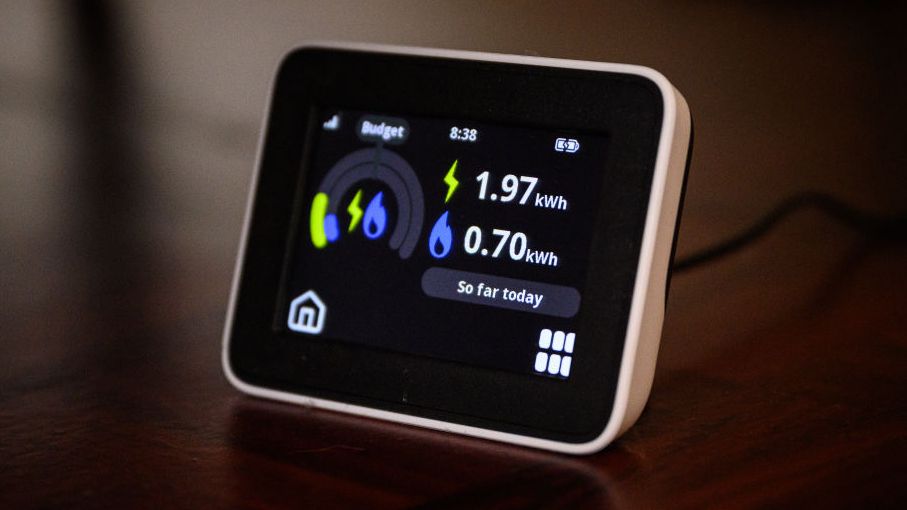
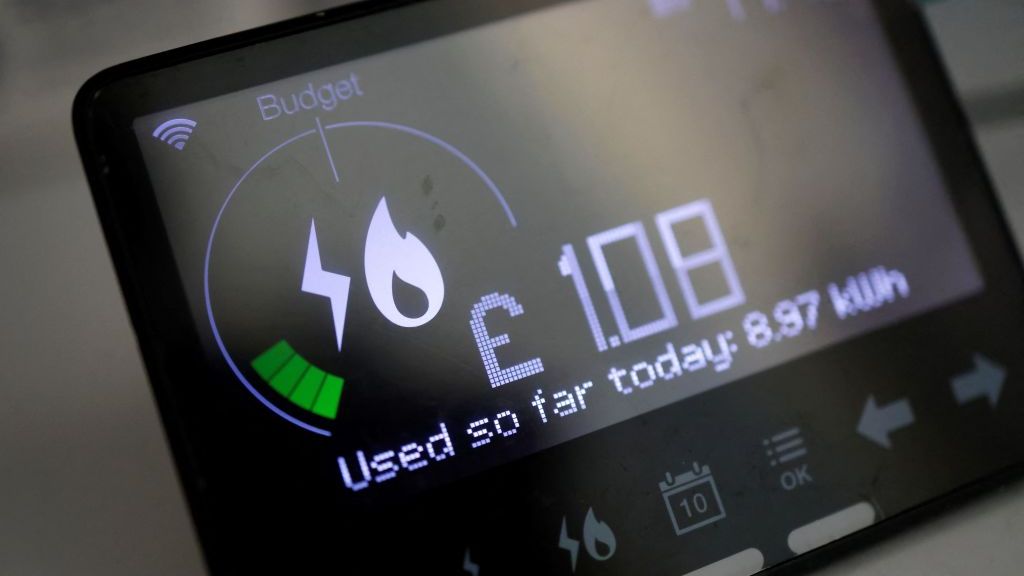
It hasn't been all that long since smart meters began rolling out (it took until October 2021 for the UK to have 15 million installed), but already, many of the early smart meter models could soon need replacing — because of something the government knew was going to happen.
Many current smart meters rely on 2G and 3G connections, but 3G has largely been phased out already, and there’s an official deadline of 2033 for 2G to follow suit — the UK's networks are actually planning to start this process in either 2029 or 2030.
This will leave roughly 12-13 million smart meters unable to transmit readings back to energy suppliers. In other words, they won’t be smart anymore, and will need replacing at a reported cost of around £4 billion (via The Register).
A predictable problem
None of this should come as a surprise to the UK government, which was behind the original push to roll out smart meters, given that it announced plans to phase out 2G and 3G back in 2021, after which some 2G and 3G smart meters continued to be installed.
But surprise or not, the process is set to be expensive, with the costs likely to be added to UK energy bills — which are already out of control.
The only good news is that some more modern smart meters already use 4G, so they won’t all need replacing. And with 4G unlikely to be phased out before the 2040s, these ones (hopefully) won't need replacing anytime soon.