Xiaomi 18 Pro Max: Two-minute review
Towards the end of 2025, Xiaomi introduced the 17 Pro series — two phones with an iPhone 17 Pro-like design and an extra screen on their rear camera modules. As a content creator who often films himself, I was immediately intrigued by this novel feature, but there was a big problem: the Xiaomi 17 Pro and 17 Pro Max only launched in mainland China.
Now, the Xiaomi 18 Pro series has launched globally (well, everywhere except the US), meaning Xiaomi fans across the world can finally experience this rear screen.
The Xiaomi 18 Pro and 18 Pro Max take a similar approach to their predecessors, but bring improved camera specifications, newer SoCs, and larger batteries to the table. They also add a new privacy display feature, just like the one on the Samsung Galaxy S26 Ultra. Xiaomi is the first brand other than Samsung to adopt this kind of tech.
I tested the larger Pro Max model for this review, and like most high-end flagship phones, the cameras on the Xiaomi 18 Pro Max are one of its main attractions. Both the main and telephoto cameras get a super-high 200MP resolution, and they can capture images with stunning clarity in almost any lighting conditions.
The telephoto is especially good for macro photography, as it can focus very close up. Meanwhile, the phone's image processing, developed in partnership with Leica, produces some fantastic colors, and you get plenty of different picture styles and film simulations to experiment with.
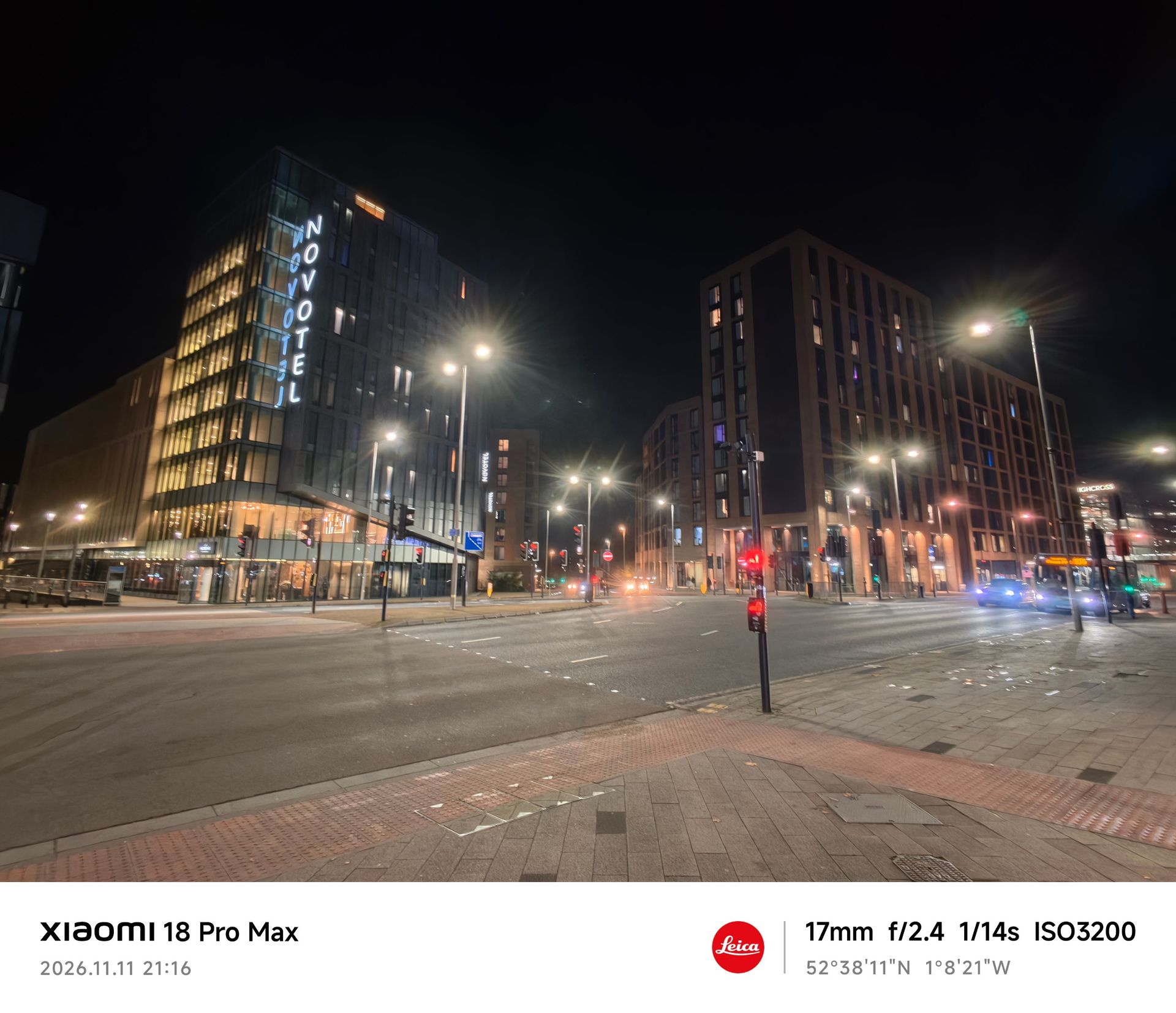
The weak point of the Xiaomi 18 Pro Max's camera setup is the ultra-wide lens, which isn't particularly wide, at 17mm equivalent, and has a fairly small sensor, which means it isn't great in the dark.
The phone's rear screen makes it really easy to film yourself or take high-quality selfies, but I was surprised by how much else you can do with it. There are lots of fun apps to play with, and you can even create your own with AI, which means you might use this screen more often than you expect.
The Xiaomi 18 Pro Max's main front screen is equally great, and its speakers are even better. The built-in subwoofer adds some much-needed bass to the equation.
The phone's Privacy Display feature, though, feels a little undercooked. It doesn't work from the top and the bottom of the screen, only from the sides, and it isn't quite as effective as Samsung's overall.
Overall performance is fantastic. Qualcomm's latest flagship chip lets you run the most demanding games with relative ease on the Xiaomi 18 Pro Max, while a big battery and fast charging mean you can do so all day long.
Xiaomi's software is also looking nicer than ever, and it's absolutely packed with handy features. That said, there are still a few small niggles that could use ironing out, like advertisements in the Themes app and pre-installed bloatware that comes pre-installed.
The Xiaomi 18 Pro Max is an excellent device, and I don't feel it falls short in any particular area. The main attraction is that rear display. If you have a use for it (like I do), you won't find that anywhere else. For the right person, it's a game-changer.
Xiaomi 18 Pro Max: Price and availability
- 12GB of RAM + 256GB of storage costs £1,399 / AU$1,999
- 12GB of RAM + 512GB of storage costs £1,599 / AU$2,299
- Not sold in the US
At the time of writing, I only have UK pricing information for the Xiaomi 18 Pro Max, but the phone will be available to order in most regions across the world, excluding the US. The bad news is that it doesn't come cheap.
The model with 12GB of RAM and 256GB of storage costs £1,399 / AU$1,999, while the model with 12GB of RAM and 512GB of storage costs £1,599 / AU$2,299. The smaller Xiaomi 18 Pro (in the same configurations) costs £1,199 / AU$1,799 and £1,399 / $2,099, respectively.
It's to be expected, really; global component shortages have increased prices across the industry, but the Xiaomi 18 Pro Max now costs more than both the equivalent iPhone 18 Pro Max and Samsung Galaxy S26 Ultra, which is a tough pill to swallow.
In its defence, the Xiaomi offers more impressive cameras, a rear screen, and a larger battery — so there's certainly an argument to be made that it should cost more than those rival flagship handsets. As for whether it's worth the extra outlay, that's for you to decide.
- Value score: 3 / 5
Xiaomi 18 Pro Max: Specs
Here’s a look at the Xiaomi 18 Pro Max’s key specs:
Xiaomi 18 Pro Max | |
|---|---|
Dimensions | 163.4 x 77.6 x 8.4 mm |
Weight | 229g |
OS | HyperOS 4, based on Android 17 |
Display | 6.9-inch LTPO AMOLED, 120Hz (plus 2.9-inch rear screen) |
Resolution | 1208 x 2624 pixels |
Chipset | Qualcomm Snapdragon 8 Elite Extreme Gen 6 (2 nm) |
RAM | 12GB / 16GB |
Storage | 256GB / 512GB / 1TB |
Battery | 7,050mAh |
Rear cameras | 200MP (f/1.7) main, 50MP (f/2.4) ultra-wide, 200MP 3.2x periscope telephoto (f/2.4) |
Front camera | 50MP (f/2.2) |
Xiaomi 18 Pro Max review: Design
- Aluminum frame and glass back
- Black, White, Velvet Red, Cosmic Blue color options
- IP68 dust and water-resistant
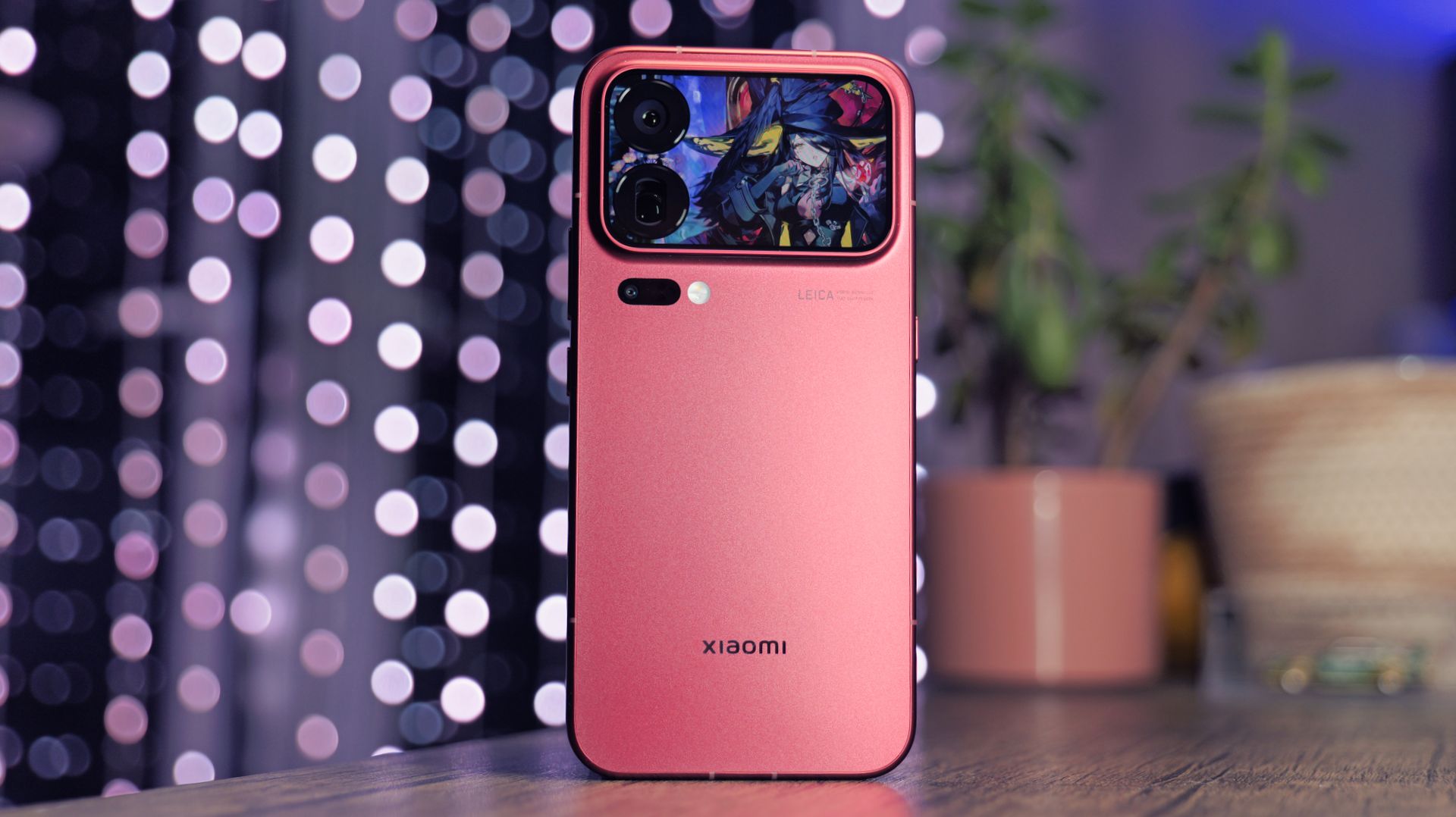
The Xiaomi 18 Pro Max looks a lot like last year's China-only 17 Pro Max, and in turn, that means it also looks a lot like the iPhone 17 Pro Max and iPhone 18 Pro Max. It has the same raised "plateau" surrounding the camera lenses, but the big difference is that this camera bump has a screen on it.
The Xiaomi 18 Pro Max is a very big and weighty phone, tipping the scales at about 229g. As a guy with big hands who's used to using ultra-flagship phones, I didn't have any trouble with the size and weight. If you're used to something more compact, though, this might be a tough adjustment.
On the other hand, it is still lighter than the equivalent iPhone, despite having a bigger battery and an extra screen.
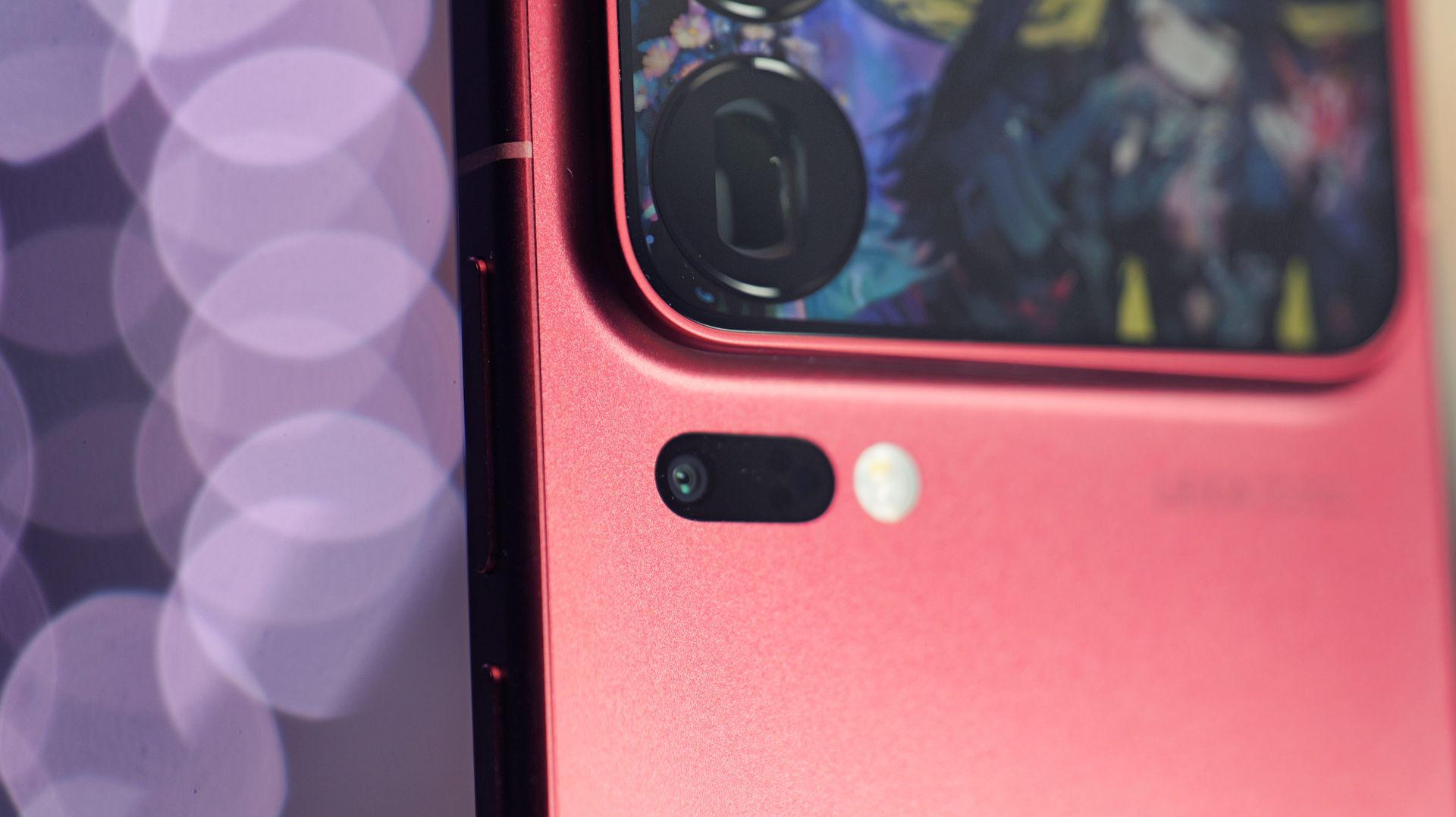
My review sample came in the Velvet Red colorway, which is quite clearly inspired by the iPhone 18 Pro's Burgundy finish. Xiaomi's take on it is a bit more vibrant, leaning less toward the brown tones, and personally, I prefer it.
The 18 Pro Max has an aluminum frame, a glass rear panel, and it's IP68-rated for dust and water resistance. You get a basic TPU clear case included in the box, and there are factory-applied screen protectors on both screens, so you're well protected without needing to shell out on accessories.
Xiaomi has added a new button similar to Apple's Action Button on the left-hand side of the phone. Xiaomi calls it the AI Button, but I'm not really sure why, as at the moment, the only AI-related thing you can do with it is open the AI Translate mode.
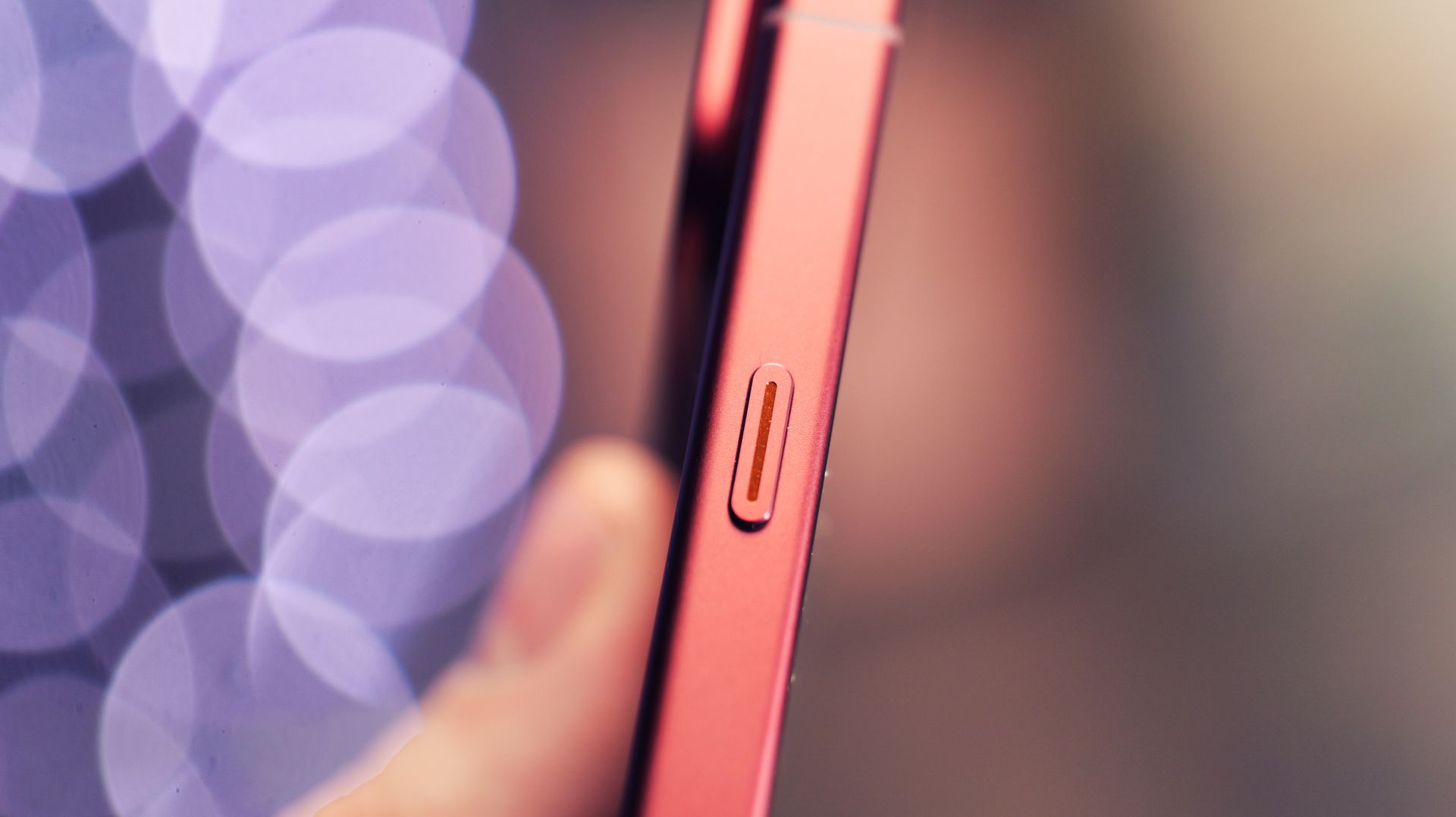
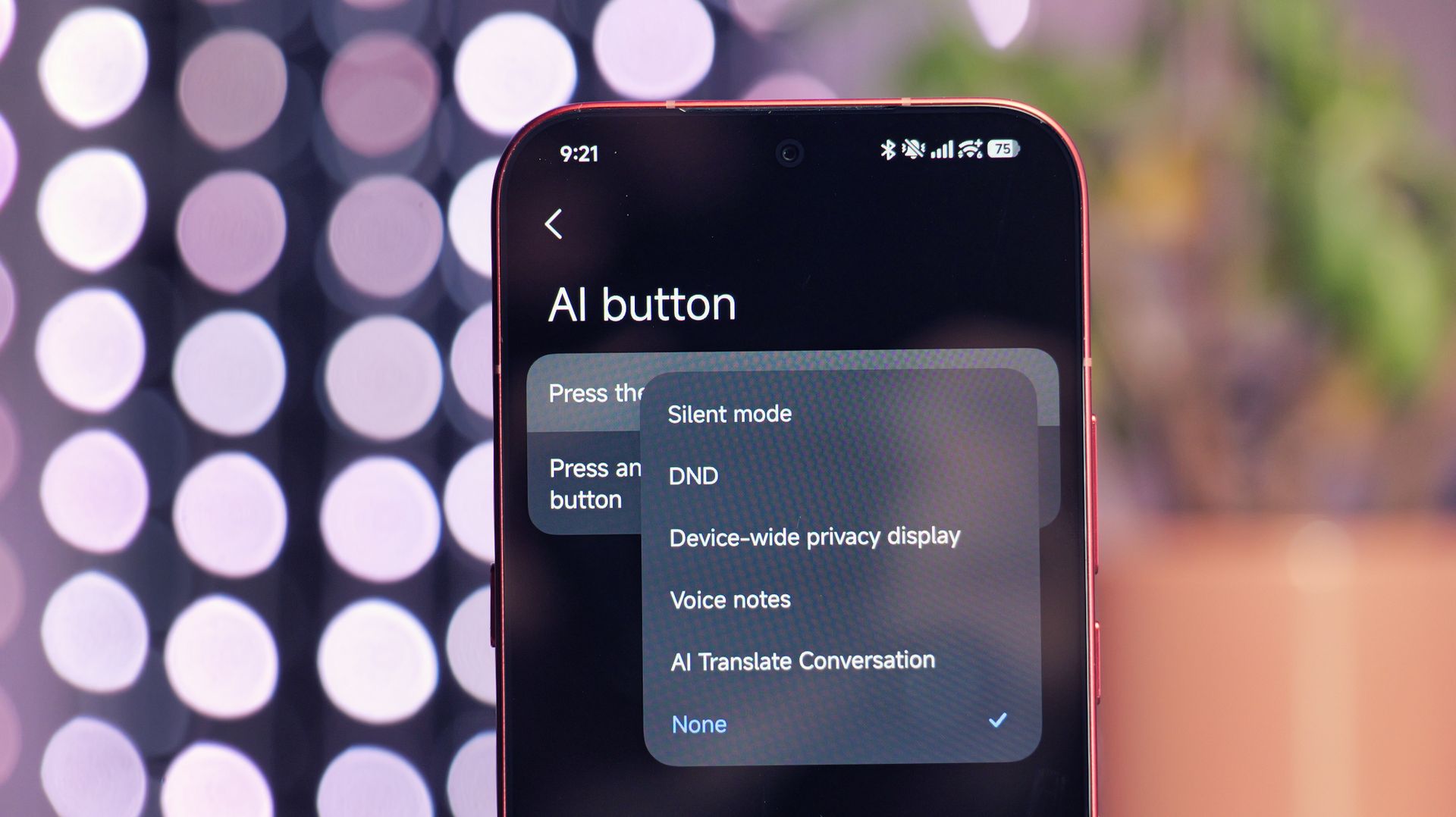
I was initially excited to try this extra button. I normally set them to activate the torch or quickly access Google Wallet. Sadly, you can't do either of those things here. The functionality is really locked down, and you can only use it to switch between silent and ring, activate the new Privacy Display, open voice notes, or use the aforementioned AI Translate feature.
I really hope Xiaomi unlocks more functionality for this button with a future update, because at the minute, it's more limited than the equivalent buttons offered by every other brand I've tried.
Otherwise, the Xiaomi 18 Pro Max has a typical flagship smartphone feel. The front and rear are flat, the edges are squared off, and it feels premium throughout.
- Design score: 4 / 5
Xiaomi 18 Pro Max review: Display
- 6.9-inch 120Hz LTPO OLED with Privacy Display
- 2.9-inch OLED rear display
- 4,000 nits peak brightness and 2160Hz PWM dimming
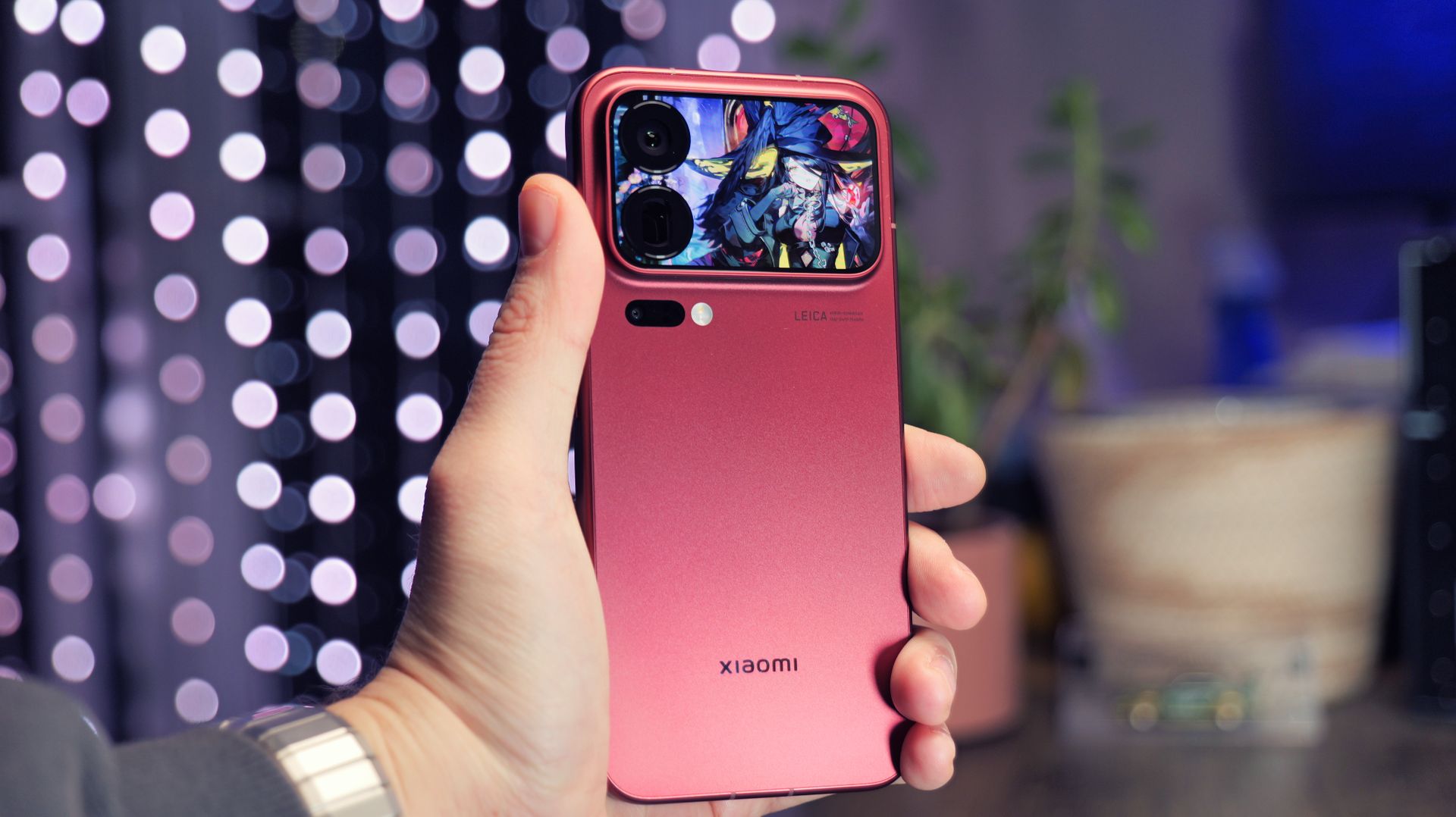
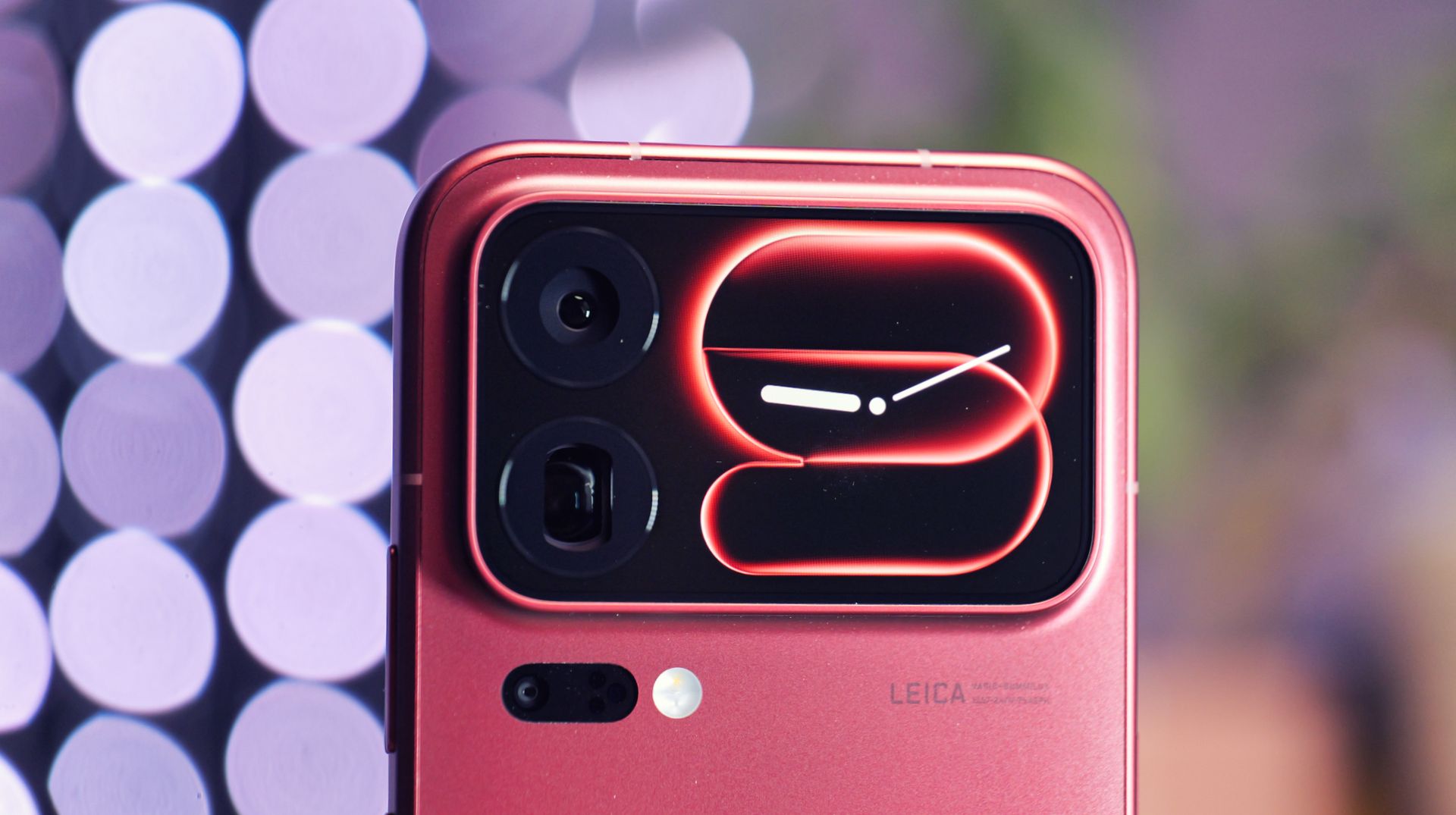
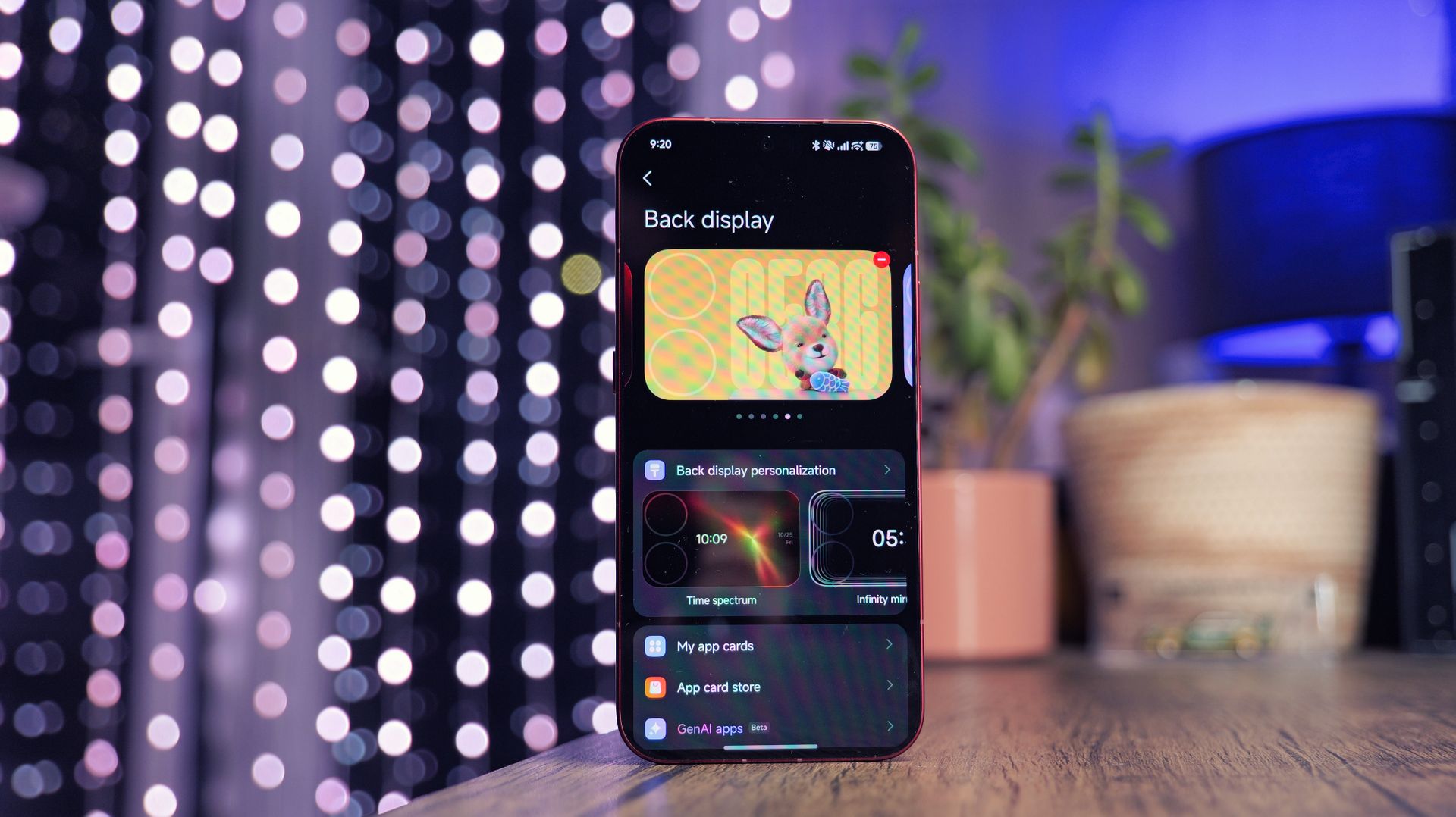
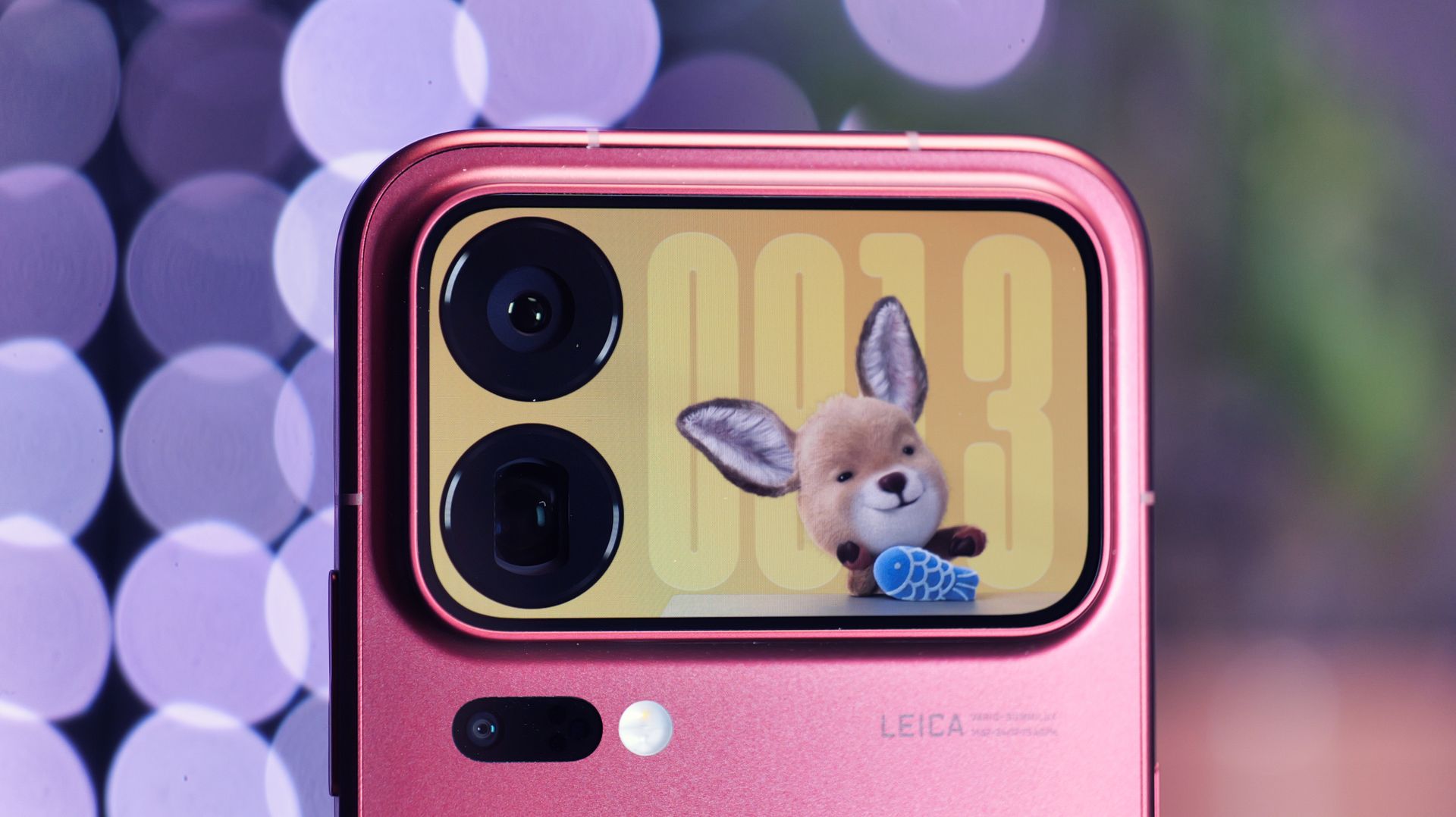
The most novel thing about the Xiaomi 18 Pro Max is the fact that there's a screen on the back. So let's start this section by talking about that. It's a 2.9-inch OLED panel with large circular cutouts for the main and telephoto cameras.
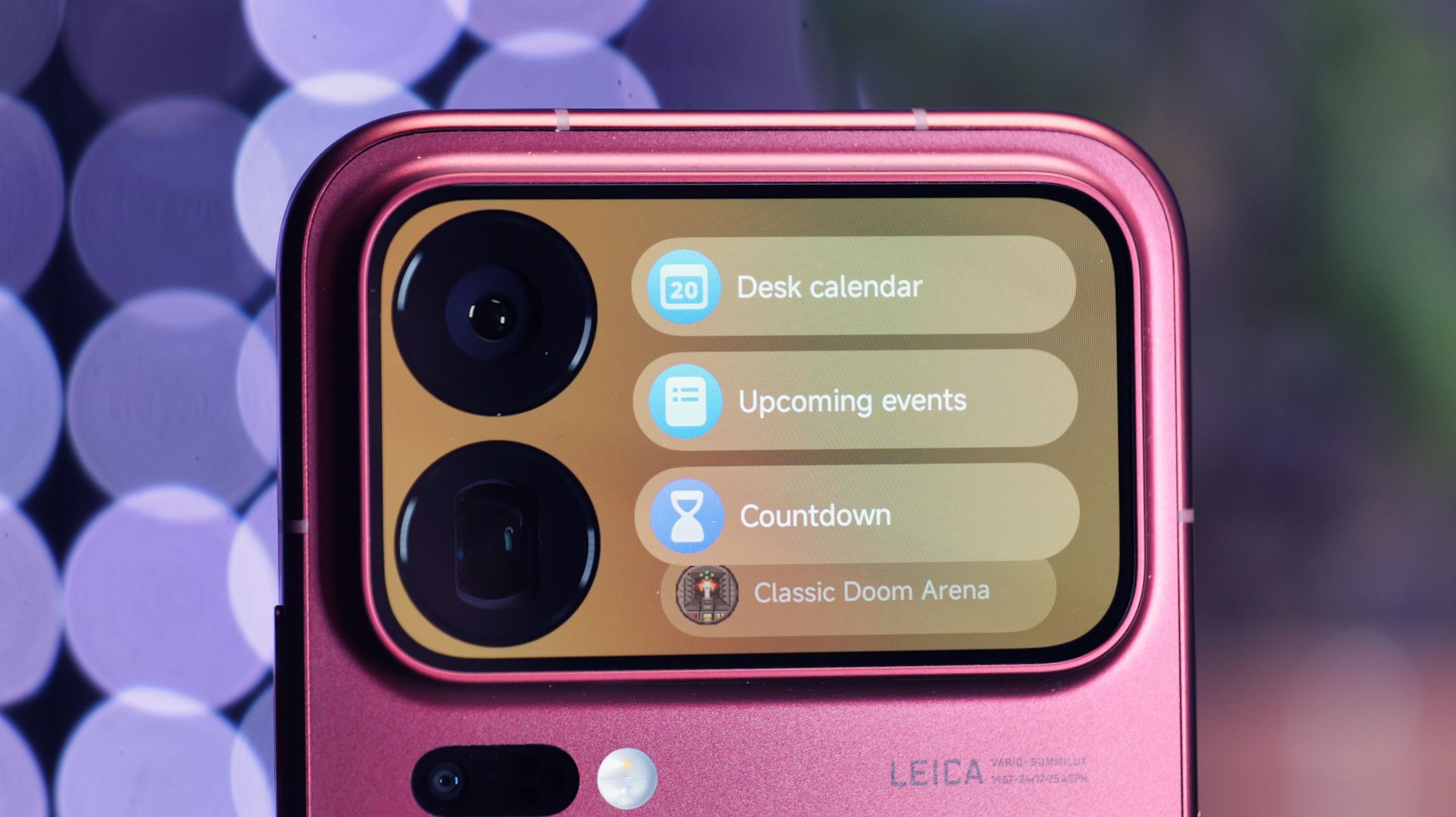
The rear screen doesn't behave like the main display. For instance, you can't just run any app you like on this back screen. It feels a bit more like a smartwatch. By default, it will display the time, and with a swipe to the right, you can quickly open your camera to take a photo or a video with the rear cameras. You can also quickly access your calendar to see if you have any upcoming events.
In the system settings, you can choose from a wide variety of animated wallpapers and themes, many of which have cute 3D animated animal mascots. You can also set any photo you like as the wallpaper, which makes it really easy to show off your personality through the back of your phone.
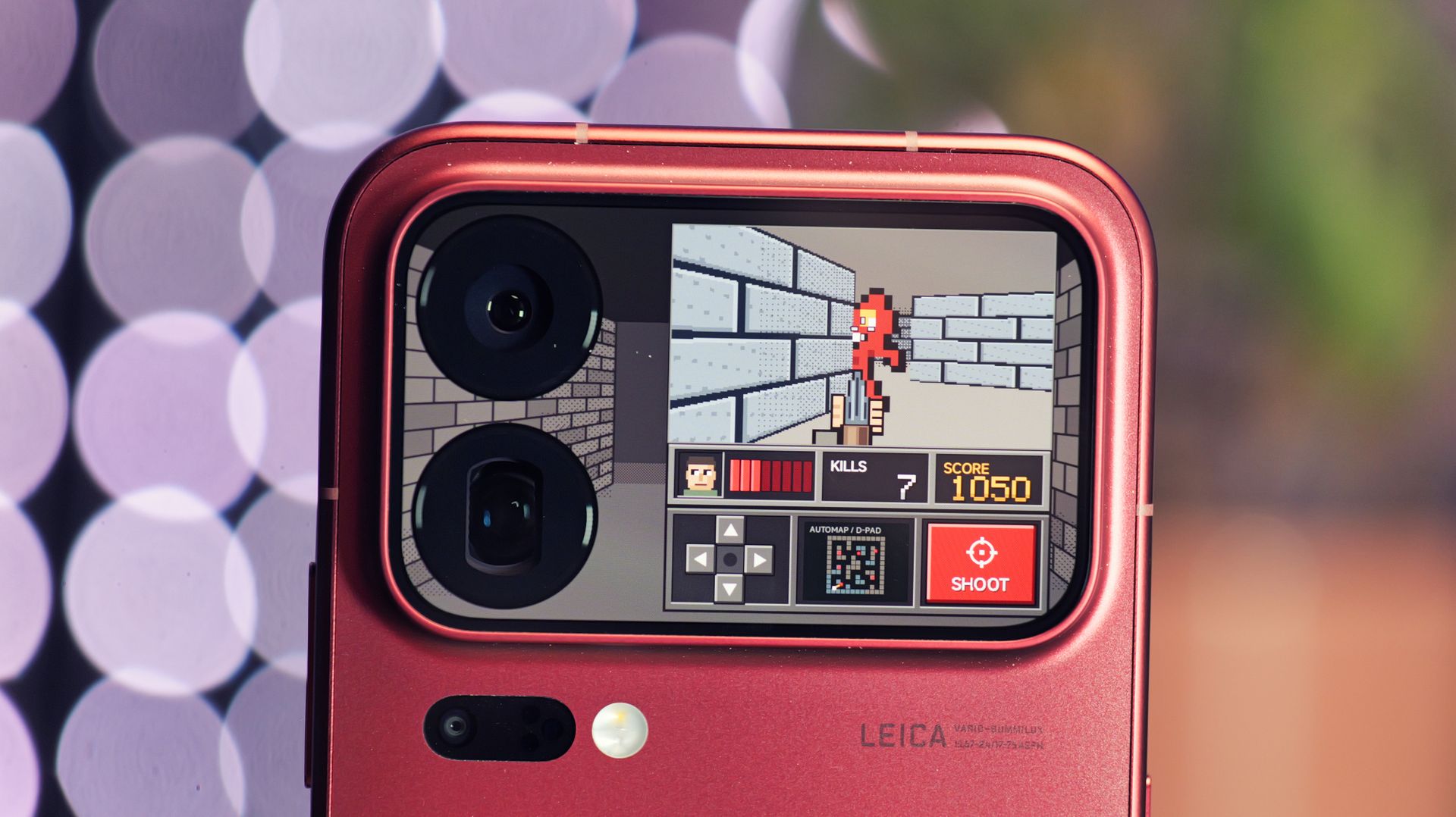
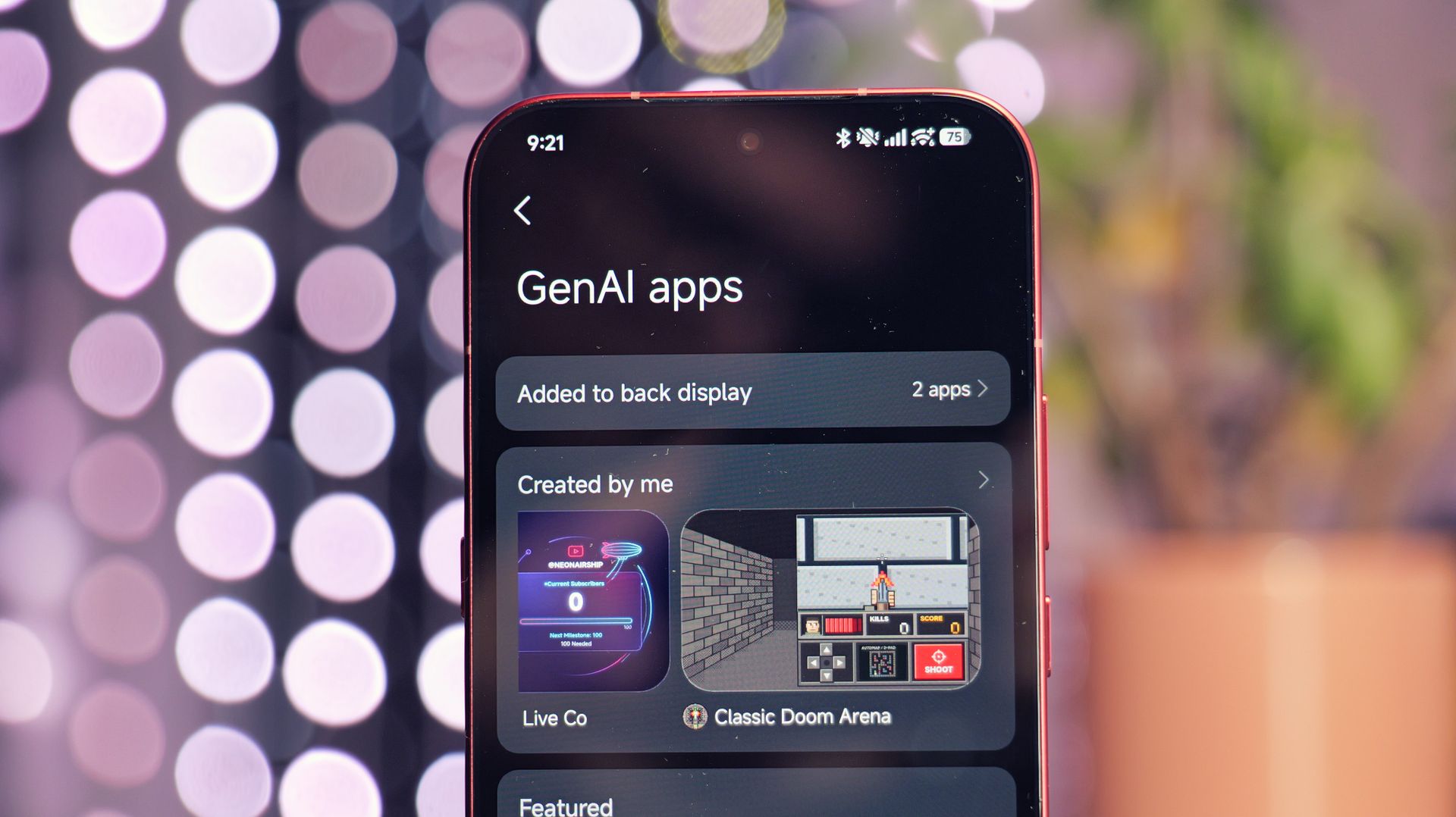
There's a small selection of apps that can run on the rear screen, but the most interesting feature is the ability to create your own. Xiaomi has added a generative AI app builder, and by typing a simple sentence, the AI can build almost anything and have it run on the back panel.
I started out with the simple task of asking it to build a dice roller for D&D, which it did, and then I got more ambitious. I asked it to build a fully playable (albeit unofficial) version of Doom, and I was shocked that it worked within a couple of tries.
You can do almost anything with this feature, so long as you can think it up. It's a really cool use of generative AI, and it makes this rear panel a lot more useful than it would have been otherwise.
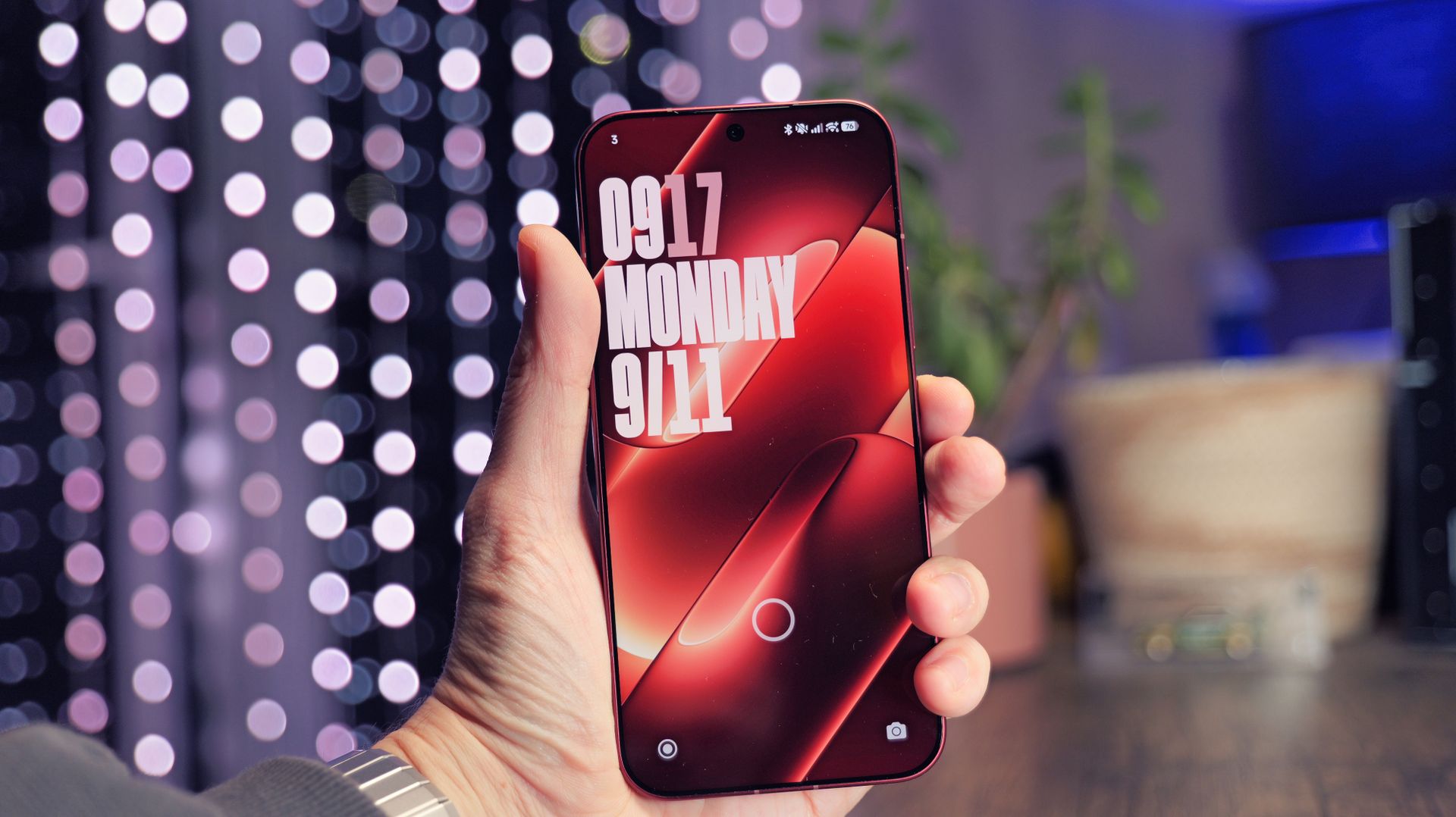
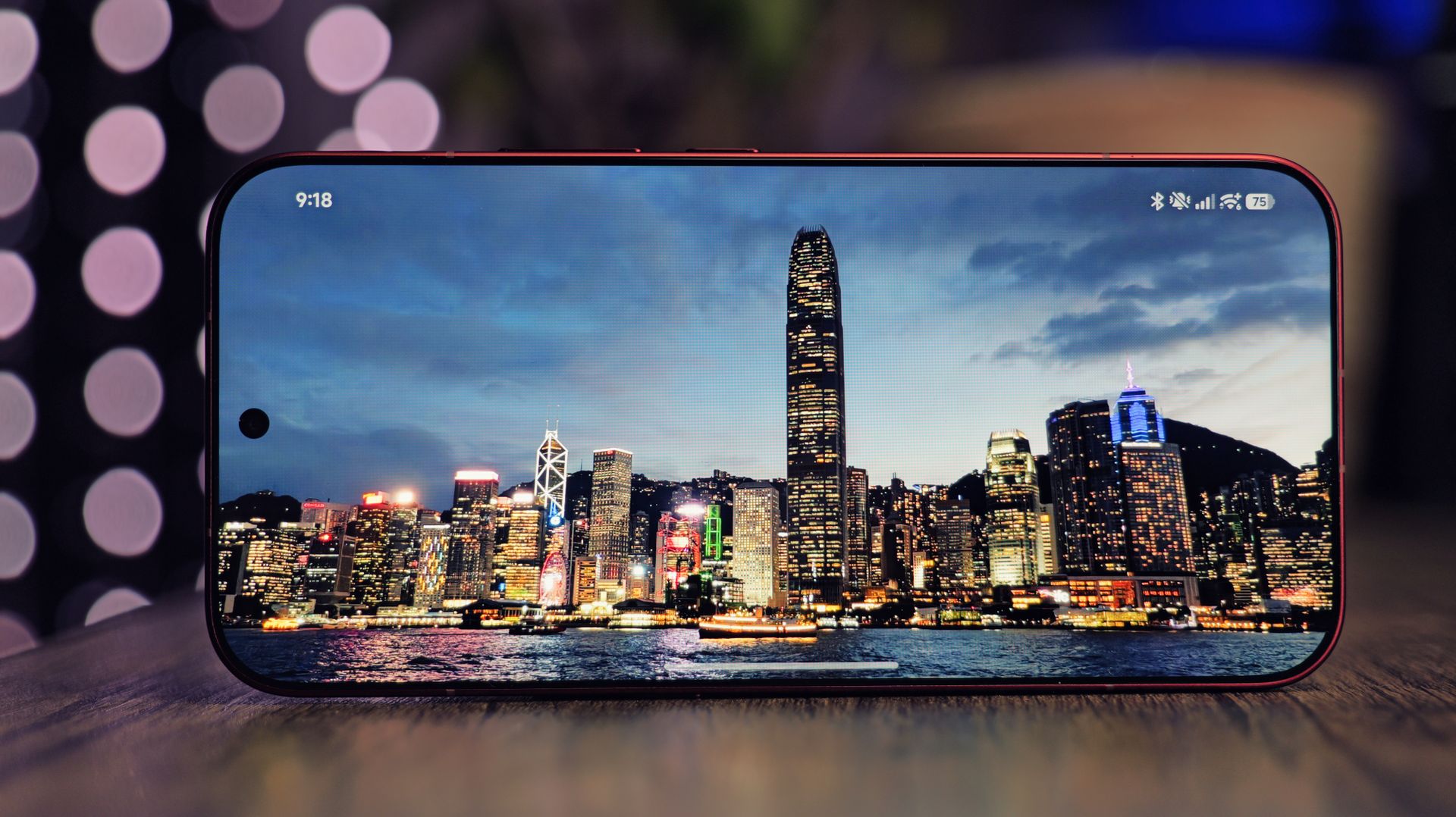
As for the main display, it essentially gives you what you would expect from a high-end flagship phone. It has slim, symmetrical bezels on every side, a bright 4000-nit output, and a 120Hz adaptive refresh rate. However, this panel also has a trick up its sleeve.
This is the first phone, other than the Samsung Galaxy S26 Ultra, to have a Privacy Display mode. By toggling a setting, you can make it much more challenging for other people to see what's on your screen, as it restricts the viewing angle and dims the screen when viewed off-center.
Some aspects of Xiaomi's Privacy Display are better than Samsung's. For instance, when it's turned on, the resolution doesn't drop quite so much, and it feels like the screen doesn't dim as much either.
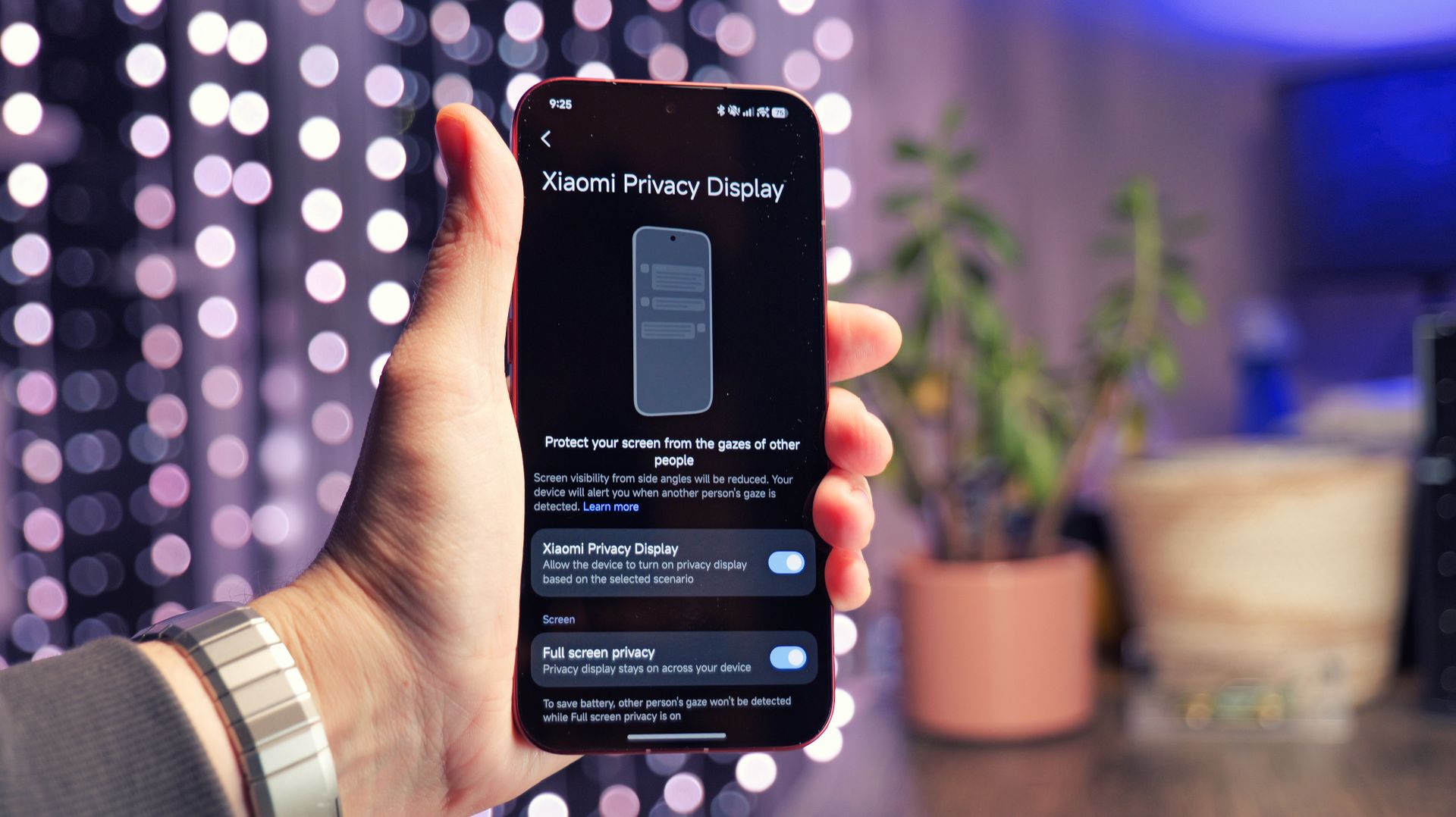
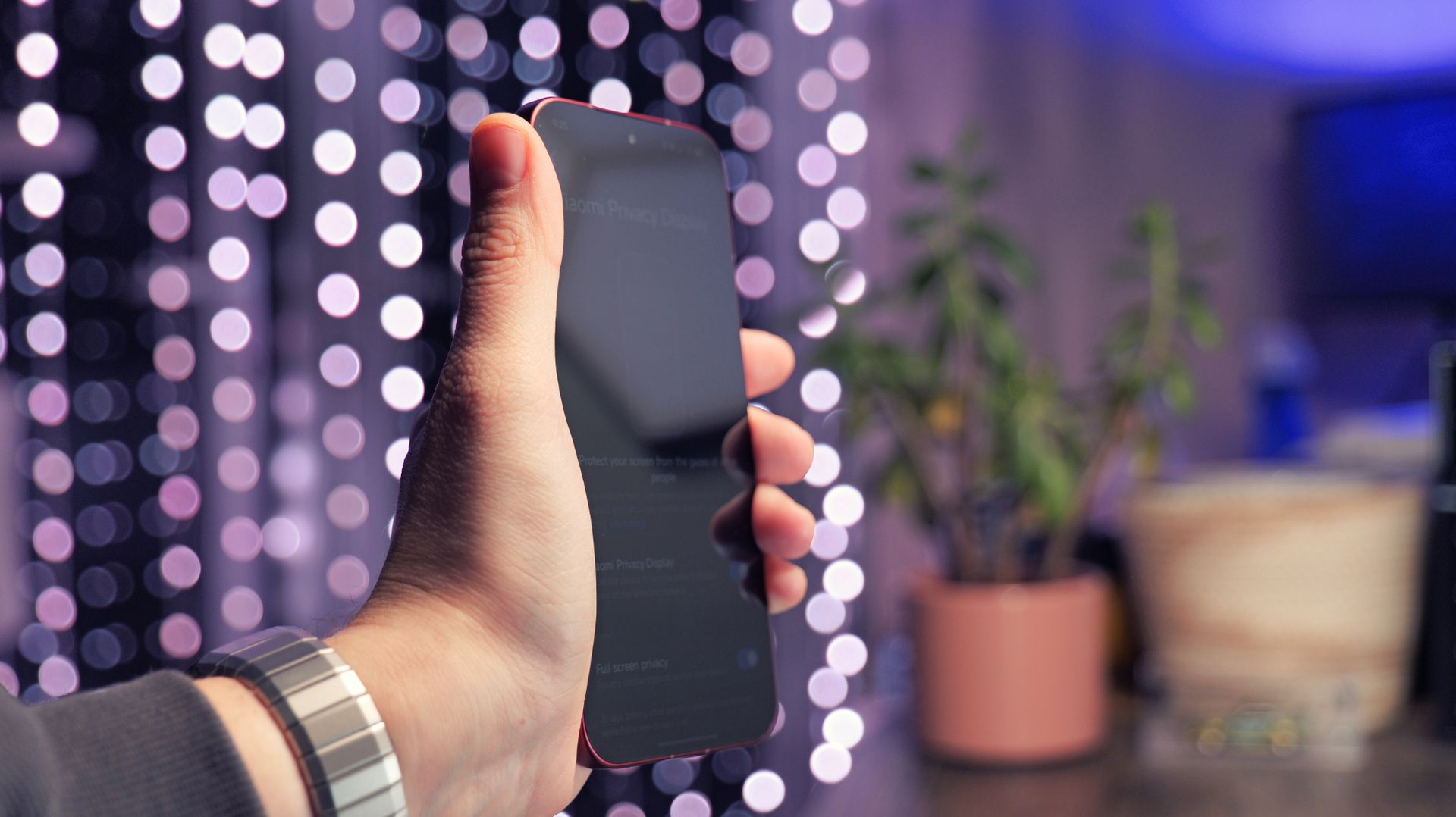
The big drawback is that this Privacy Display only works from the left and right sides of the phone (when held vertically), and it has no impact when viewed from above or below. This means when you're holding your phone in landscape mode to watch a YouTube video or play a game, the privacy effect doesn't really work.
It's also not as effective as Samsung's overall. When the S26 Ultra is set to its maximum privacy mode, you can barely tell that the phone screen is on. With the Xiaomi, you can still see the screen; it's just very, very dim when viewed off-axis.
I set the Privacy Display to automatically activate when I opened things like my banking app. Then, for the most part, I forgot it was doing anything. Hopefully, it made it harder for strangers to see my screen, but I'm certain they'd have a harder time if I were using my Samsung.
- Display score: 4 / 5
Xiaomi 18 Pro Max review: Cameras
- 200MP main (f/1.67)
- 50MP ultra-wide (f/2.4)
- 200MP 3.2x periscope telephoto (f/2.4)
- 50MP selfie camera (f/2.2)
You can tell from the design of the 18 Pro Max that Xiaomi is prioritizing the main and telephoto cameras over the ultra-wide. The latter camera is positioned in a small separate pill next to the flash unit, rather than prominently featured on the camera island like the other two lenses.
That's not necessarily a problem. Most people use the ultra-wide less than the other two cameras, and it normally has the weakest specs on a flagship phone. But with the Oppo Find X10 Pro Max giving the ultra-wide a huge bump in quality, I was hoping to see a bit more here.
Honestly, this ultra-wide camera isn't bad, but it's a massive step down compared to the main and telephoto cameras. Both have a higher 200MP resolution and significantly larger sensors, too. This means that when the light gets low, the other cameras are in a completely different league from this one.

The real issue is that the ultra-wide just isn't very wide. It's a 17mm-equivalent lens, which is a lot more zoomed in than the 13mm-equivalent ultra-wides on rival phones. In most scenarios, it makes more sense to just jump to the main camera, which isn't really that much more zoomed in.
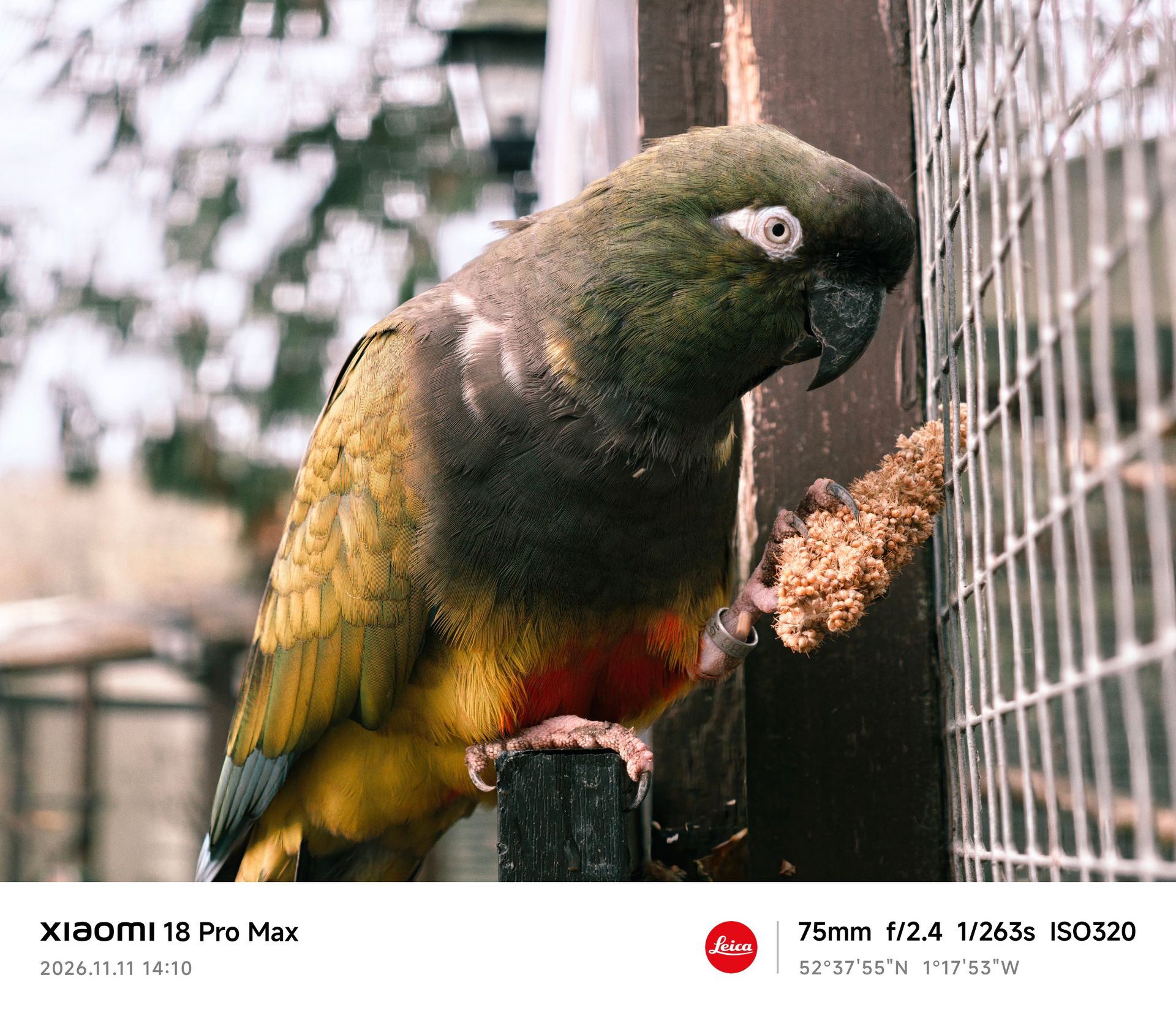
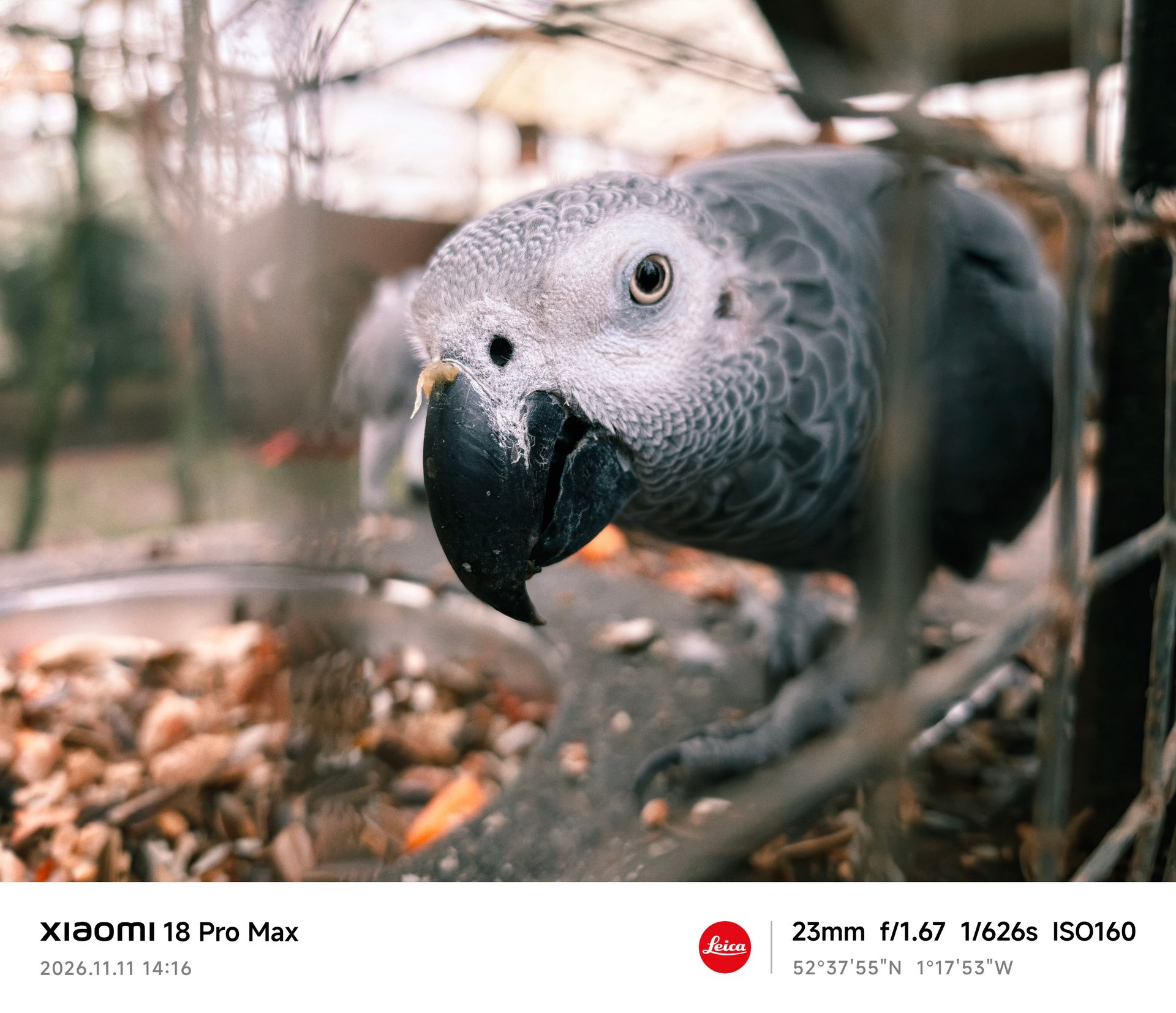
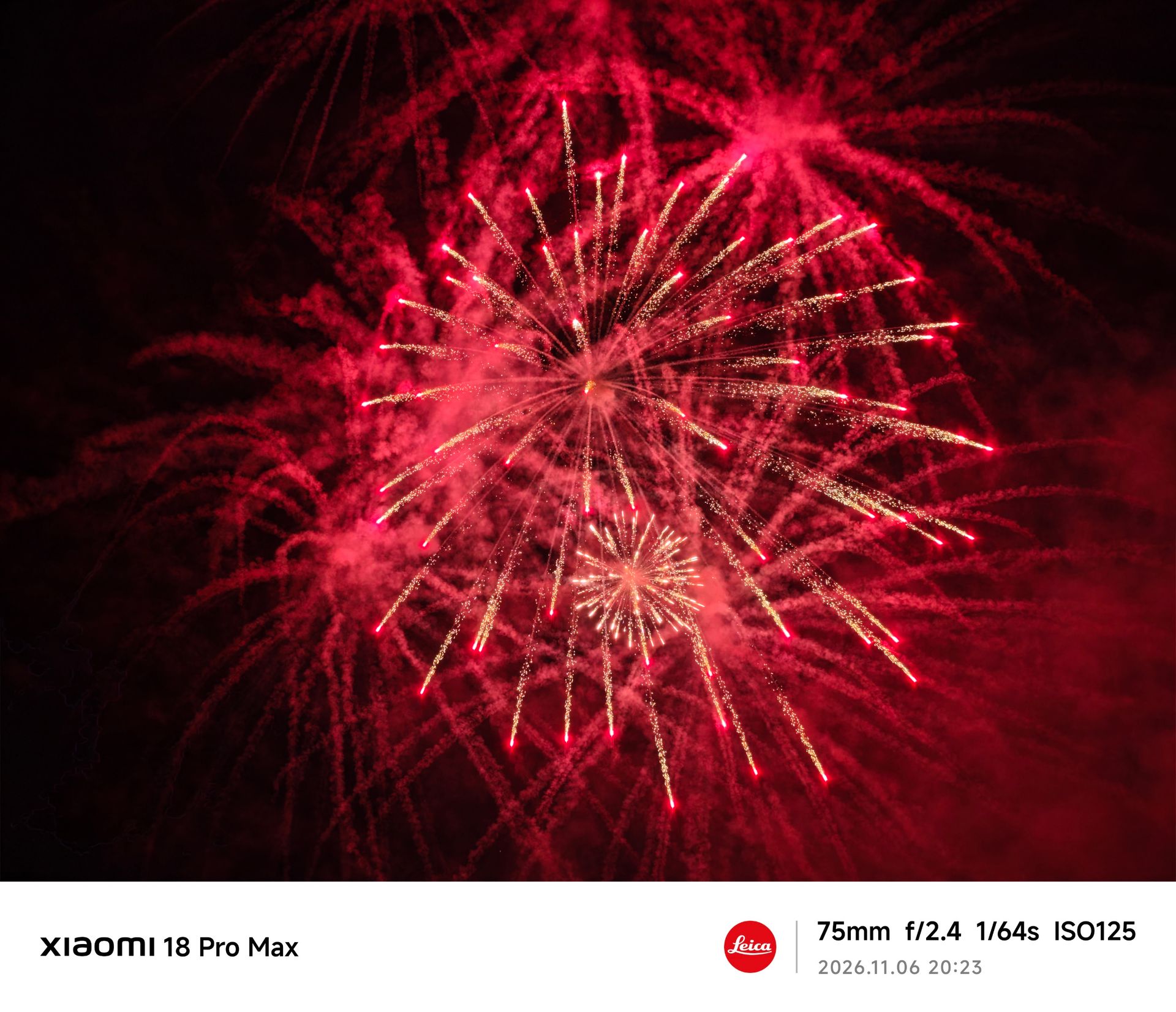
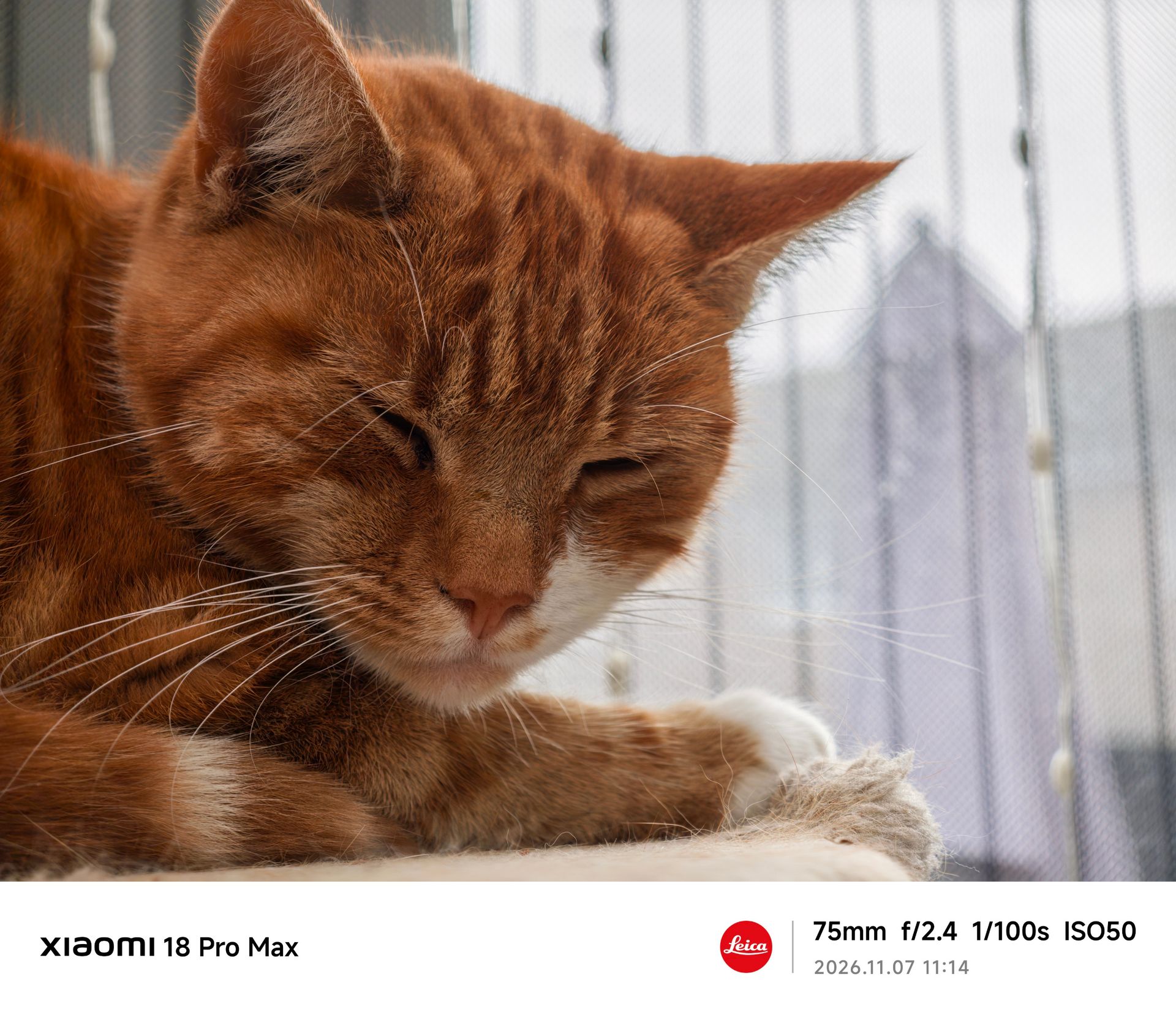
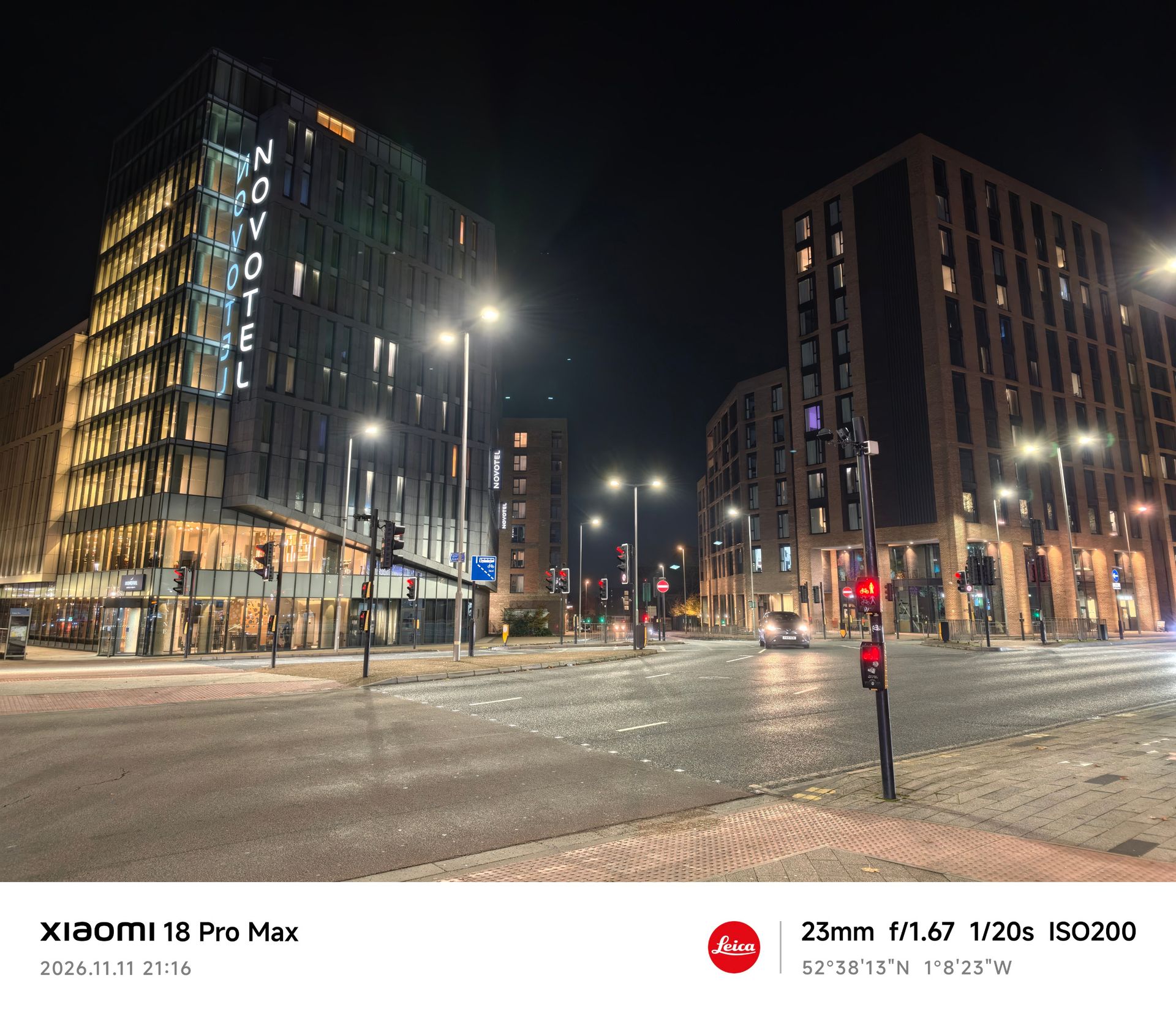
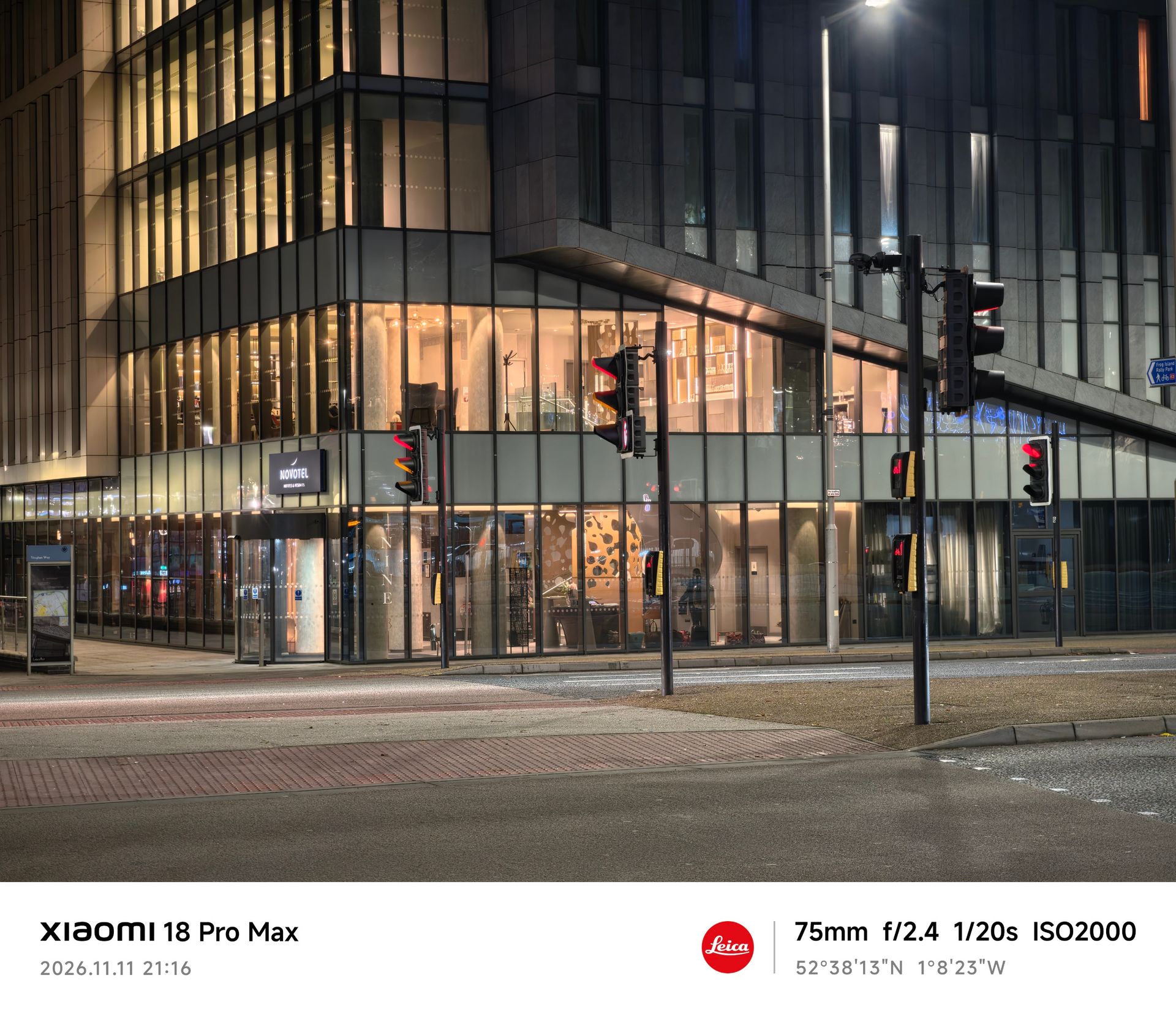
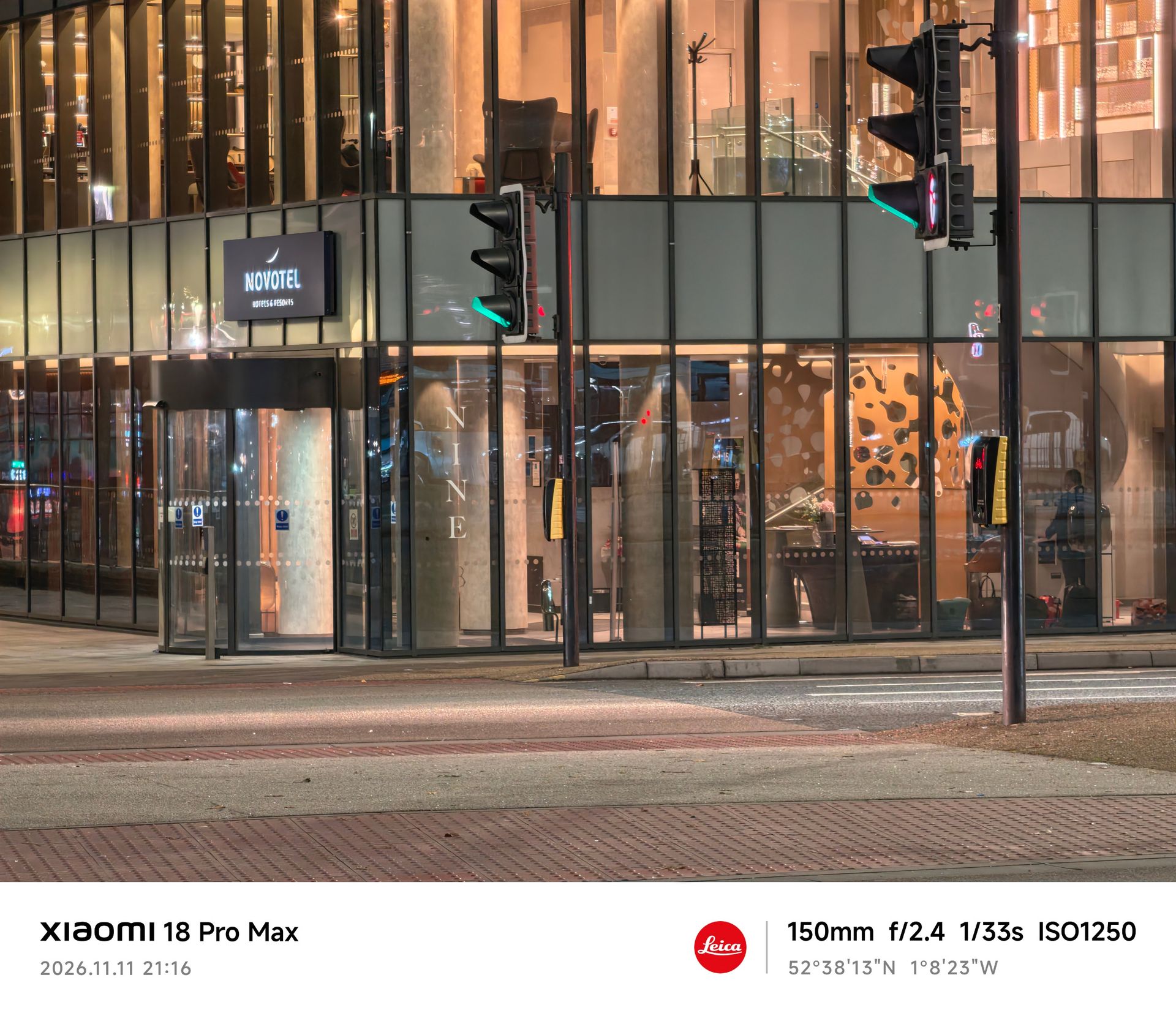
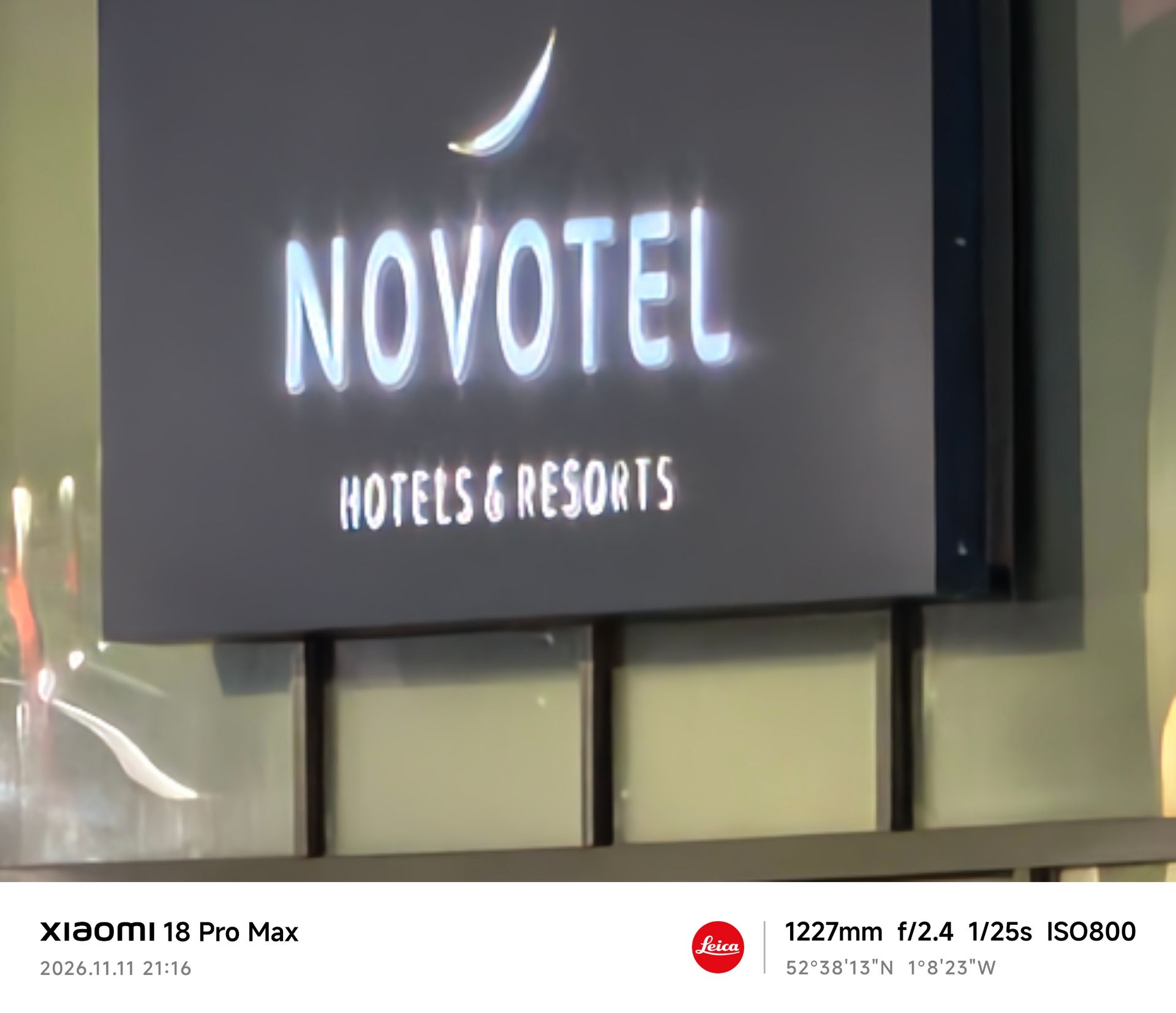
As for the main and telephoto cameras, they're both excellent. They're incredibly sharp and detailed, and they perform well in all lighting conditions. Since this phone has a screen on the rear, I found that I was using the main camera a lot more often, as it was the obvious choice for selfies and group photos rather than relying on the selfie camera.
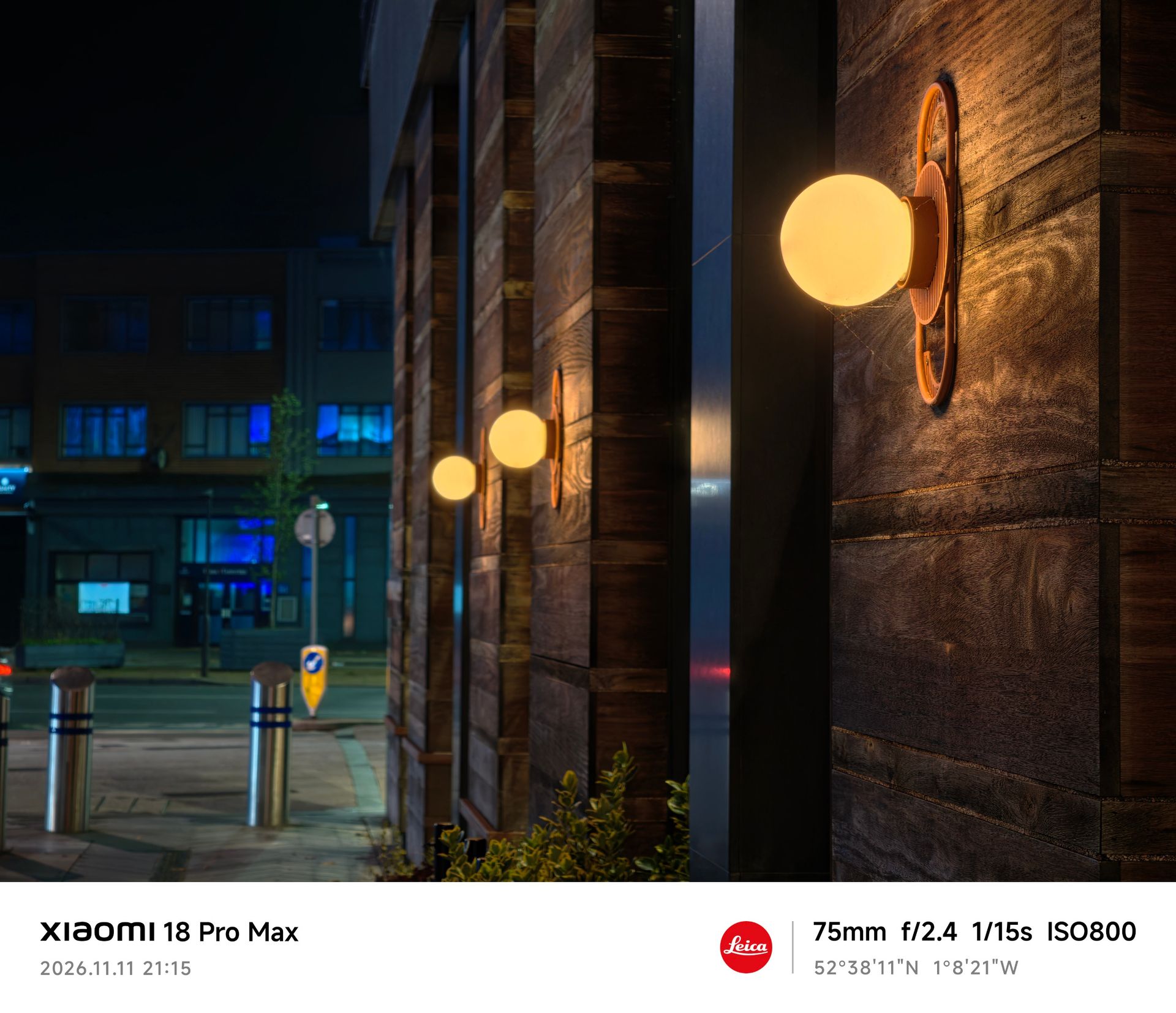
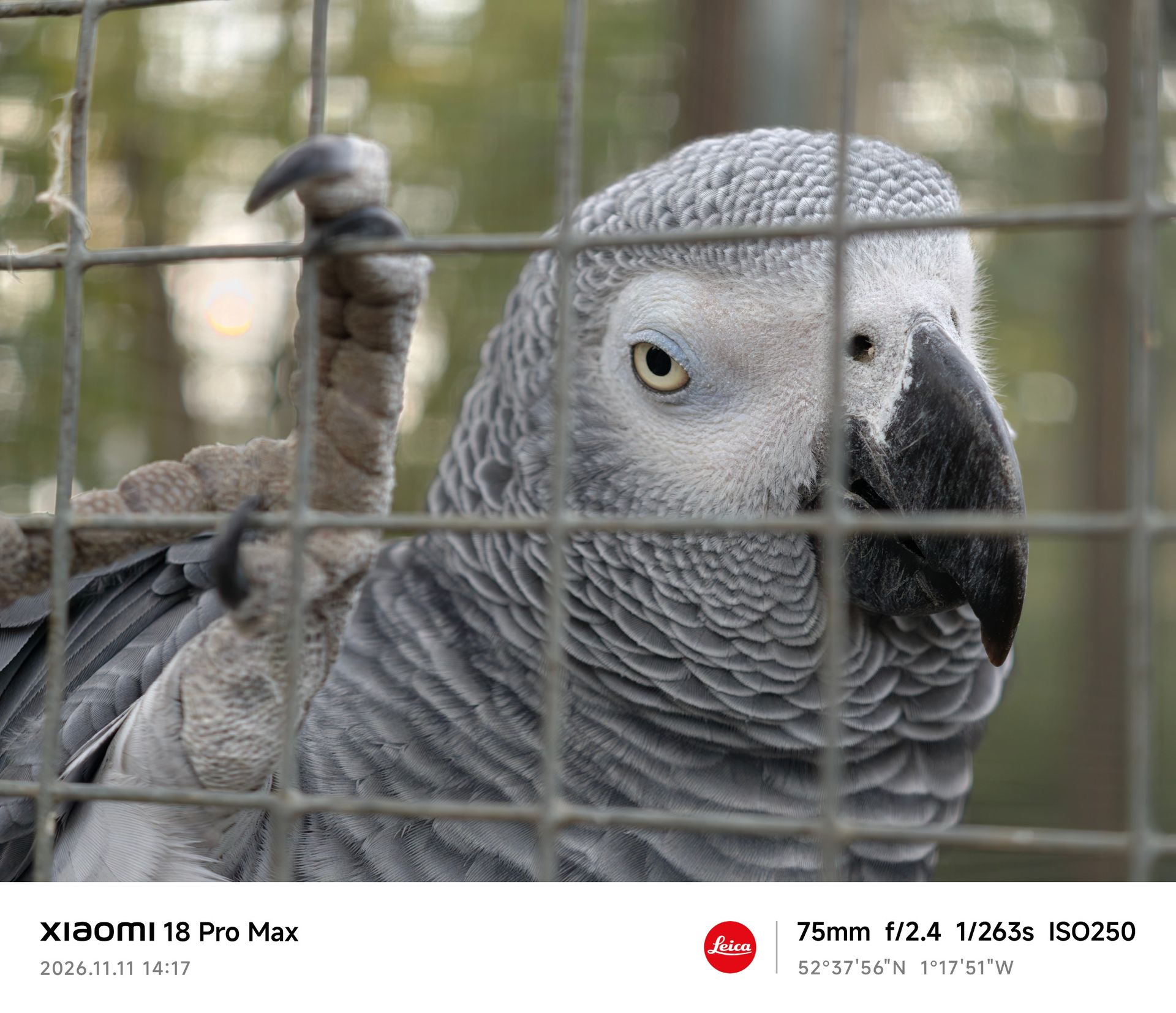
My favorite thing about the telephoto is how close it can focus. It's a 75mm-equivalent lens, and it can focus from just 10cm away, which makes for stunning macro shots. The lens provides a good amount of compression and soft, natural bokeh that looks closer to the results you'd get from a professional camera than from a smartphone.

The Xiaomi's selfie camera is perfectly adequate, but it's nothing special. I like that it has autofocus, and it has a decently wide field of view, too. The thing is, this phone makes it so easy to use the main rear camera or ultra-wide instead, and in most scenarios, you'll get better results with those. For me, that meant the selfie camera was resigned to video calls and face unlock duties, and it's overkill for either task.
Xiaomi is still partnered with Leica for its image processing, and there are loads of impressive filters and film simulations that you can access in the camera app. My favorite feature is a new mode called Essential Moment, which seems like Xiaomi's answer to Oppo's Master Mode.
Essential Moment removes some of the HDR effect and sharpening that you get from the standard photo mode, giving your photos a more naturalistic look. Somewhat counterintuitively, it's actually powered by an on-device AI Model, trained on photos from classic cameras. So while it looks more natural, behind the scenes, it's anything but.
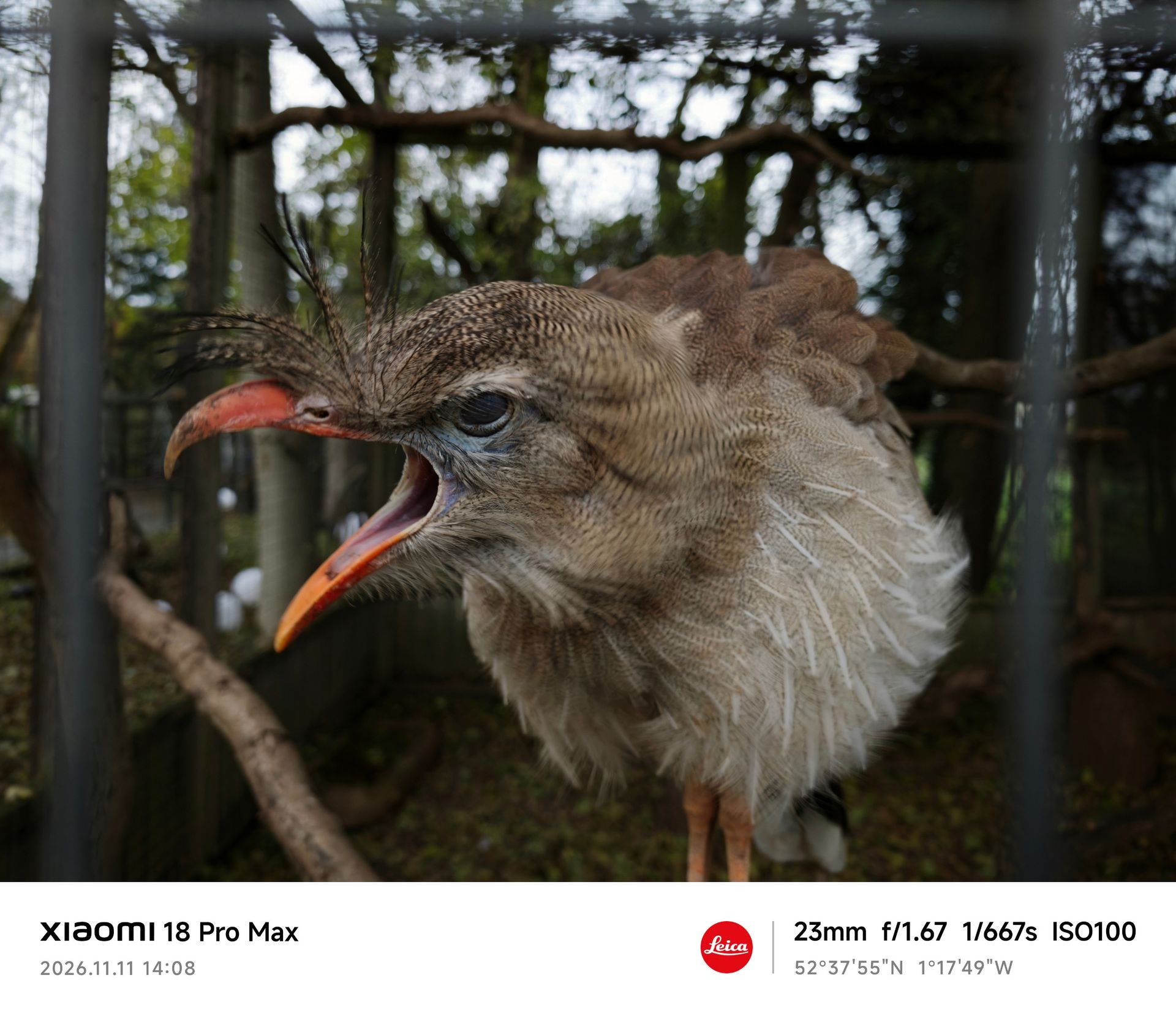
Essential Moment is not the right choice for every situation; at night, I found I preferred the more aggressive processing from the regular photo mode, but during the day, it can give really stunning results, and I used it a lot.
The Xiaomi 18 Pro Max is also an impressive video camera. It can shoot at up to 8K/30fps or 4K/120fps on the main and telephoto cameras, while all the other lenses will let you shoot at up to 4K/60fps.
There's a very impressive Log profile, too. You can apply LUTs directly in the app, and the stabilization and microphones are both solid.
- Cameras score: 4 / 5
Xiaomi 18 Pro Max review: Camera samples
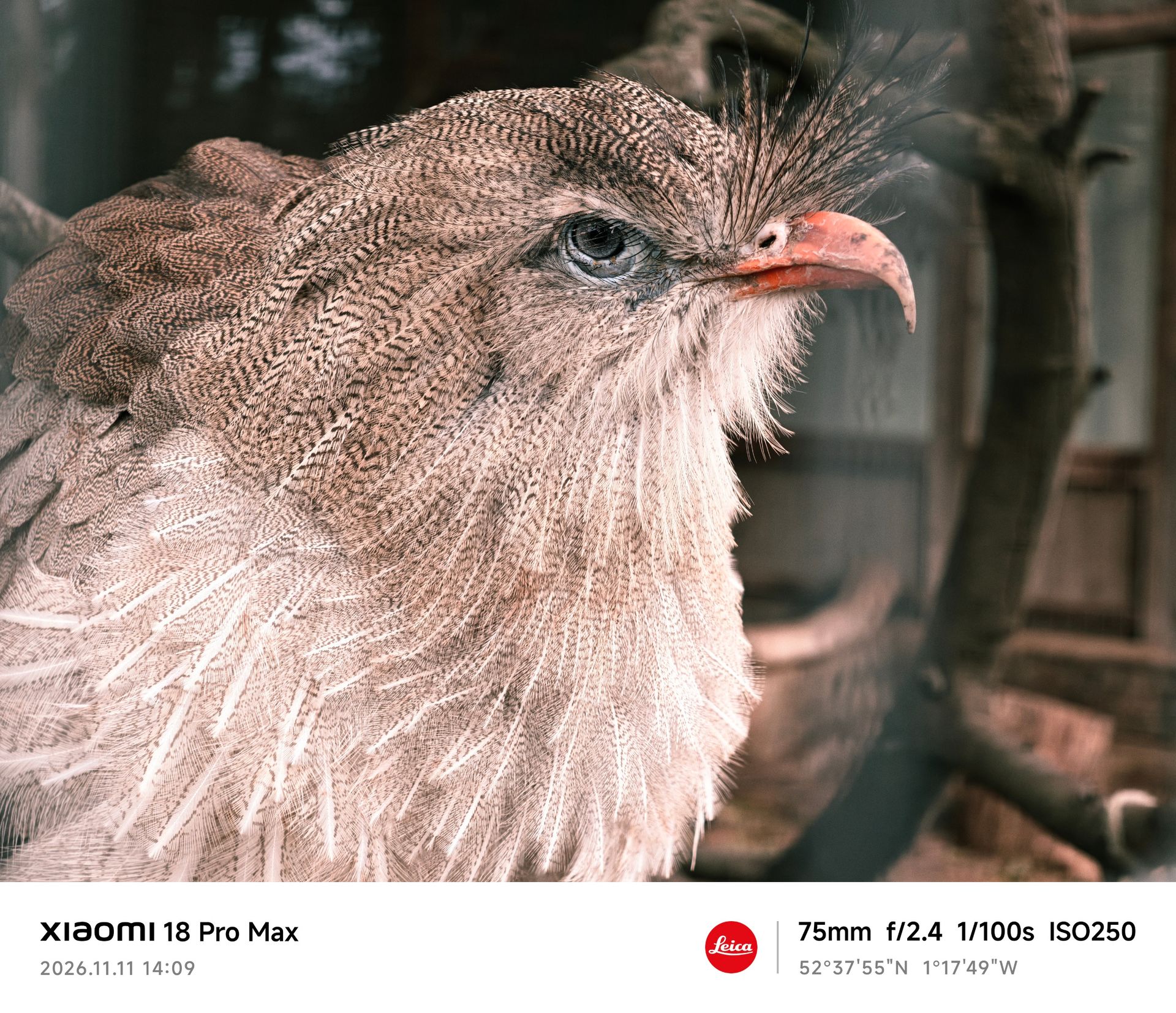
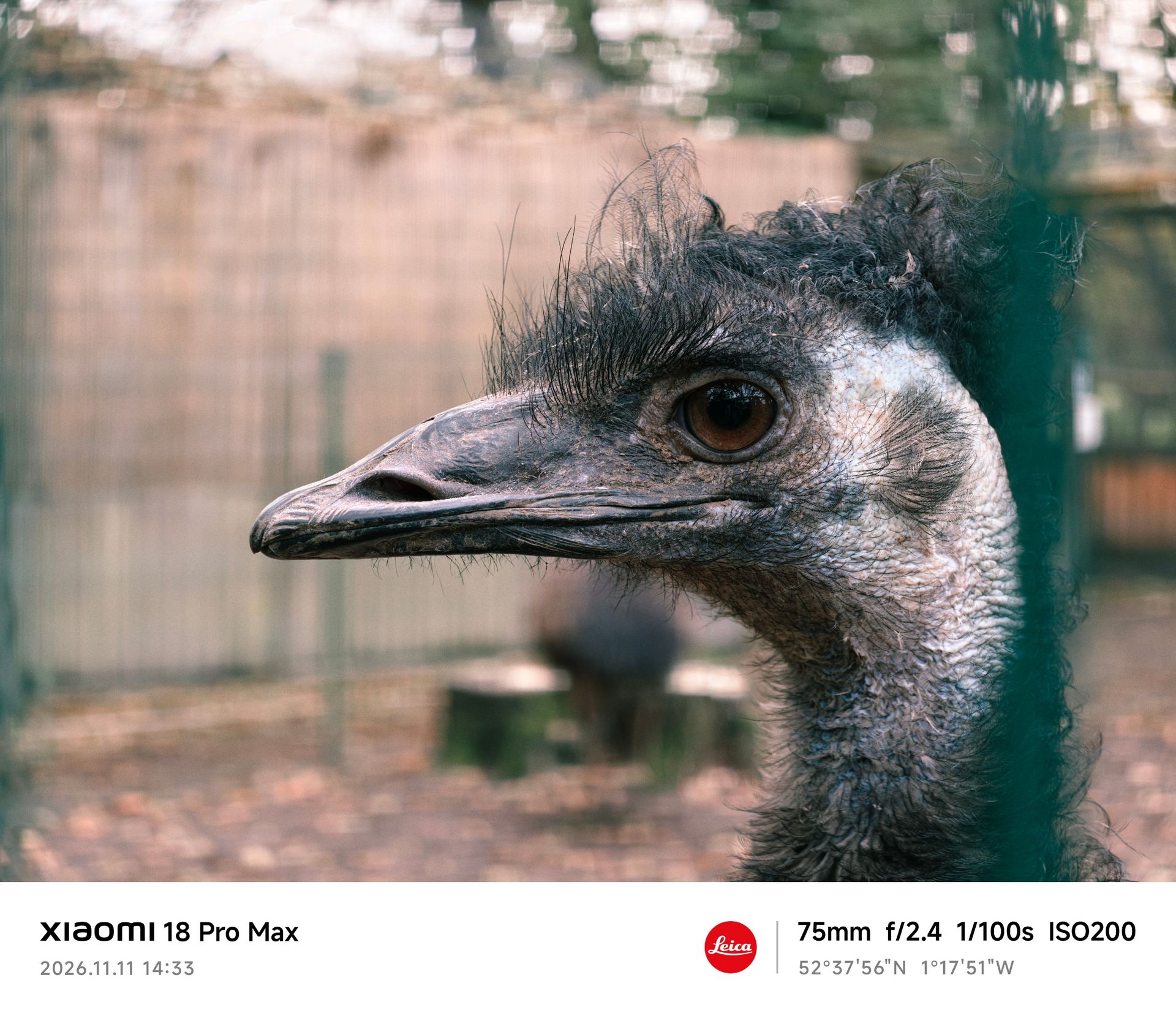
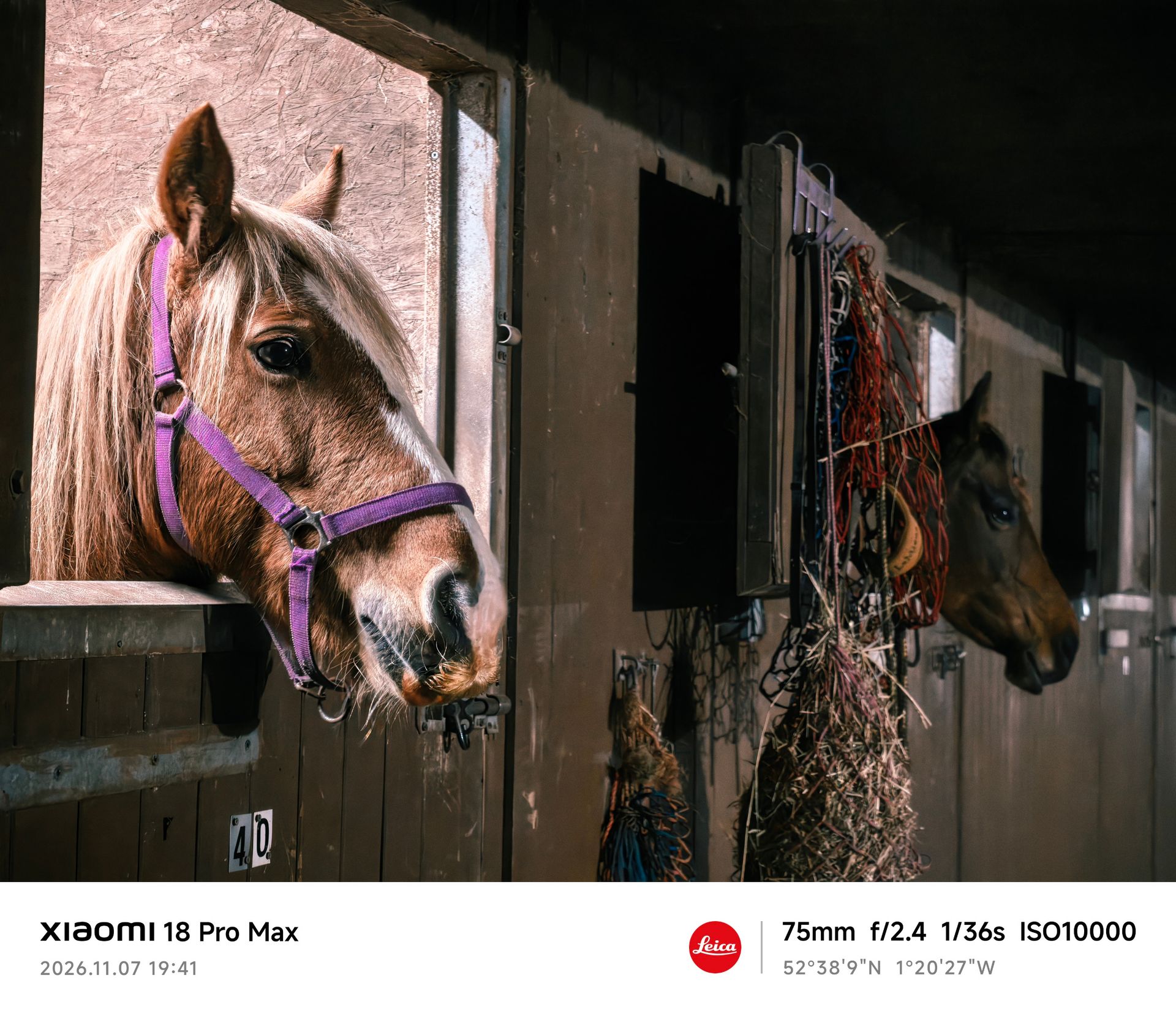








Xiaomi 18 Pro Max review: Performance
- Qualcomm Snapdragon 8 Elite Extreme Gen 6 chipset
- 12GB or 16GB RAM options
- 256GB / 512GB / 1TB UFS 4.1 storage options
The Xiaomi 18 Pro Max is powered by Qualcomm's most powerful chip, the Snapdragon 8 Elite Extreme Gen 6. My sample came with 12GB of RAM and 256GB of storage. This powerful new chip, combined with a redesigned vapor chamber cooling system, means that the phone is ready for whatever you can throw at it.
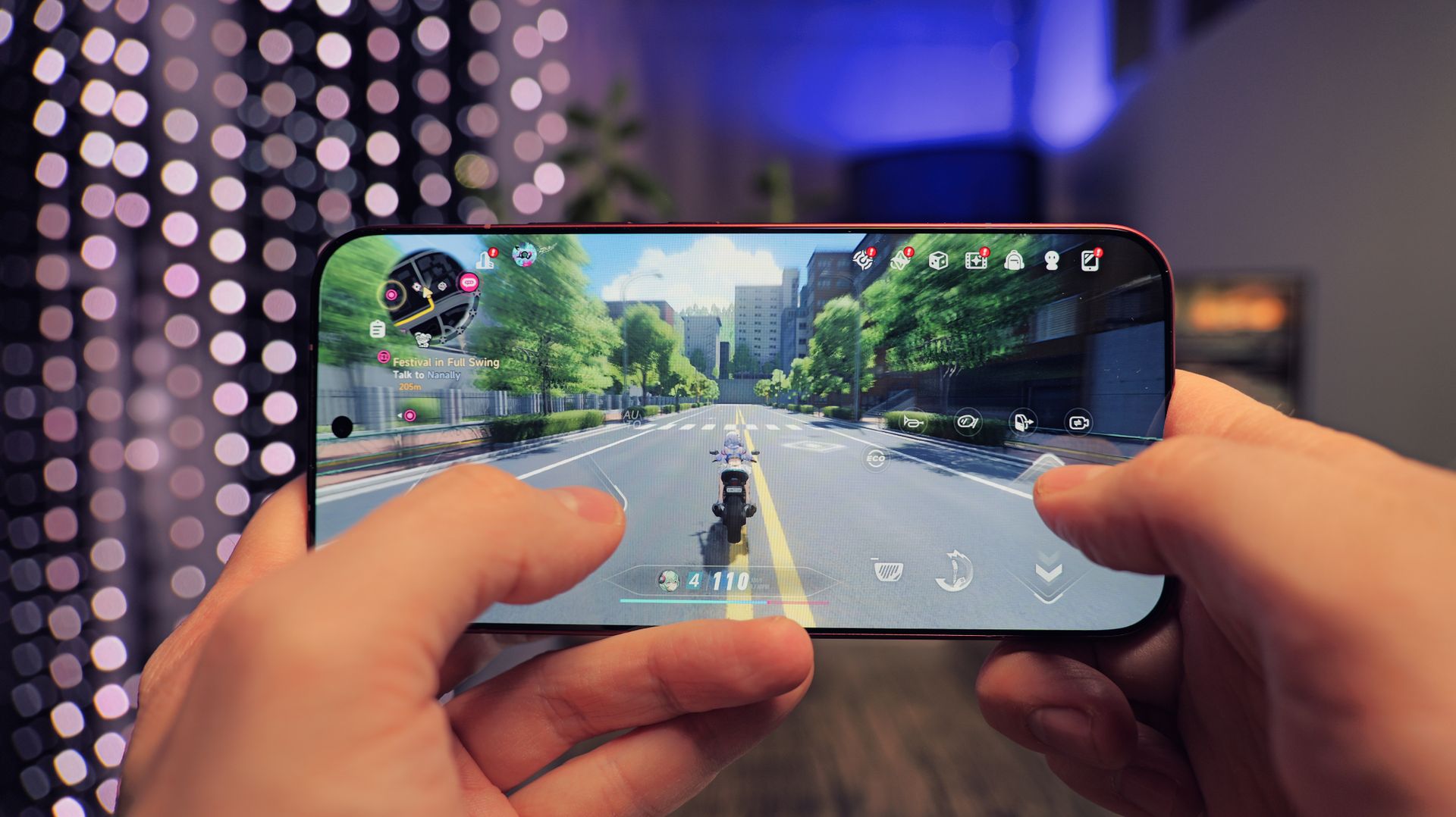
In normal daily use, the 18 Pro Max is an absolute rocket. Apps open in an instant, multitasking is no trouble at all, and you can run some seriously demanding games, too. I played a few hours of NTE on maximum graphics settings, and the 18 Pro Max handled it without issue.
The frame of the phone does get very warm when playing challenging games for extended periods, but that's probably a good thing. It just means the vapor chamber is doing its job, moving the heat away from the processor and dissipating it through the frame of the phone. The best way to get around this is to use a case or gaming grip to keep the heat away from your hands.
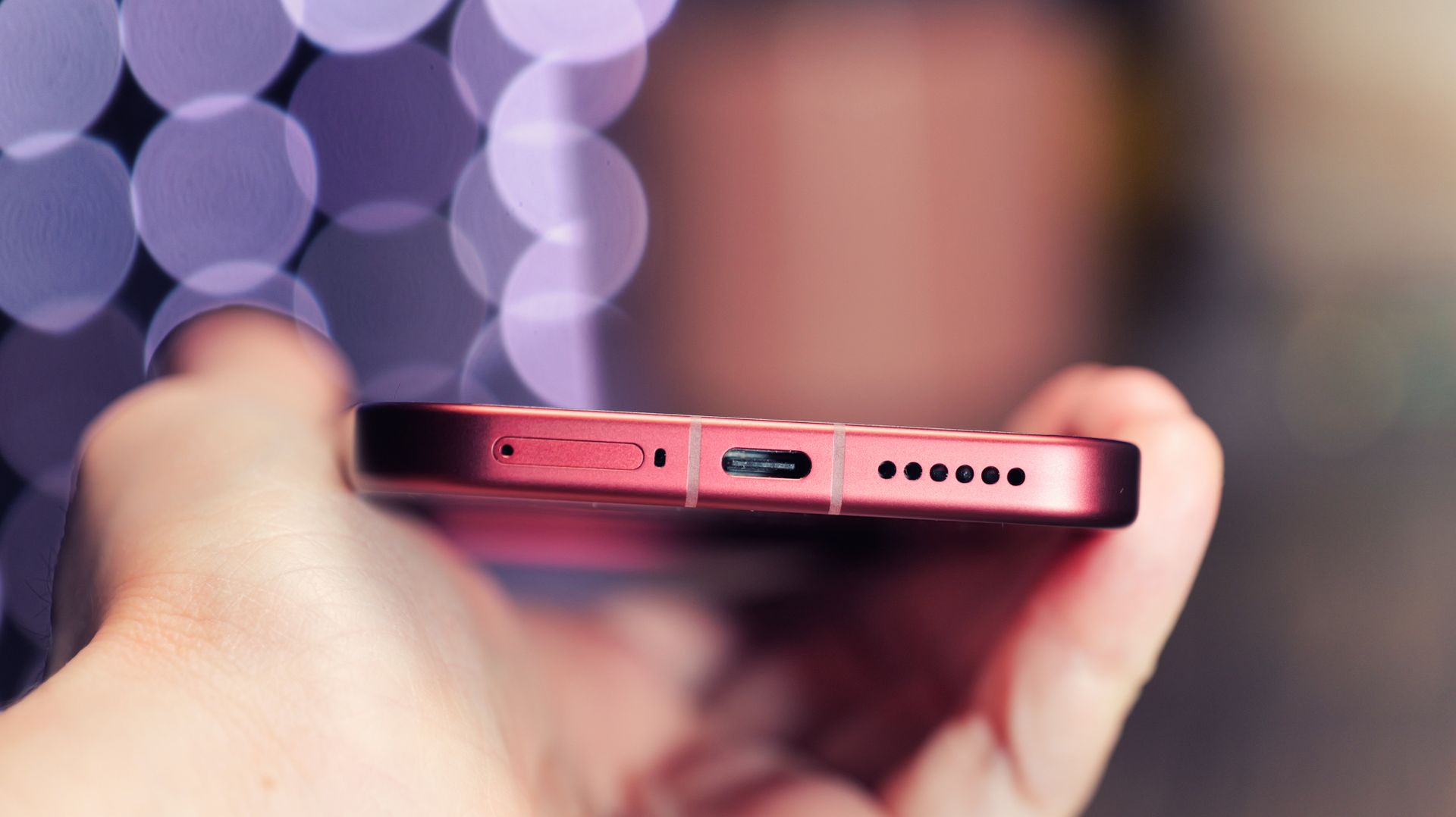
The Xiaomi 18 Pro Max has a triple speaker system. There's a speaker on the base of the phone, one that doubles as the earpiece, and a dedicated subwoofer as well.
These speakers sound really good. They might not be the loudest around, but there's better low-end response than most competitors, which makes for a more well-rounded sound with better balance.
They're still no match for headphones or a Bluetooth speaker, but I think they sound better than 90% of the phones on the market. They do the job nicely for playing games at home or watching Netflix in bed.
- Performance score: 5 / 5
Xiaomi 18 Pro Max review: Software
- HyperOS 4, based on Android 17
- Refined design
- Speed and smoothness improvements
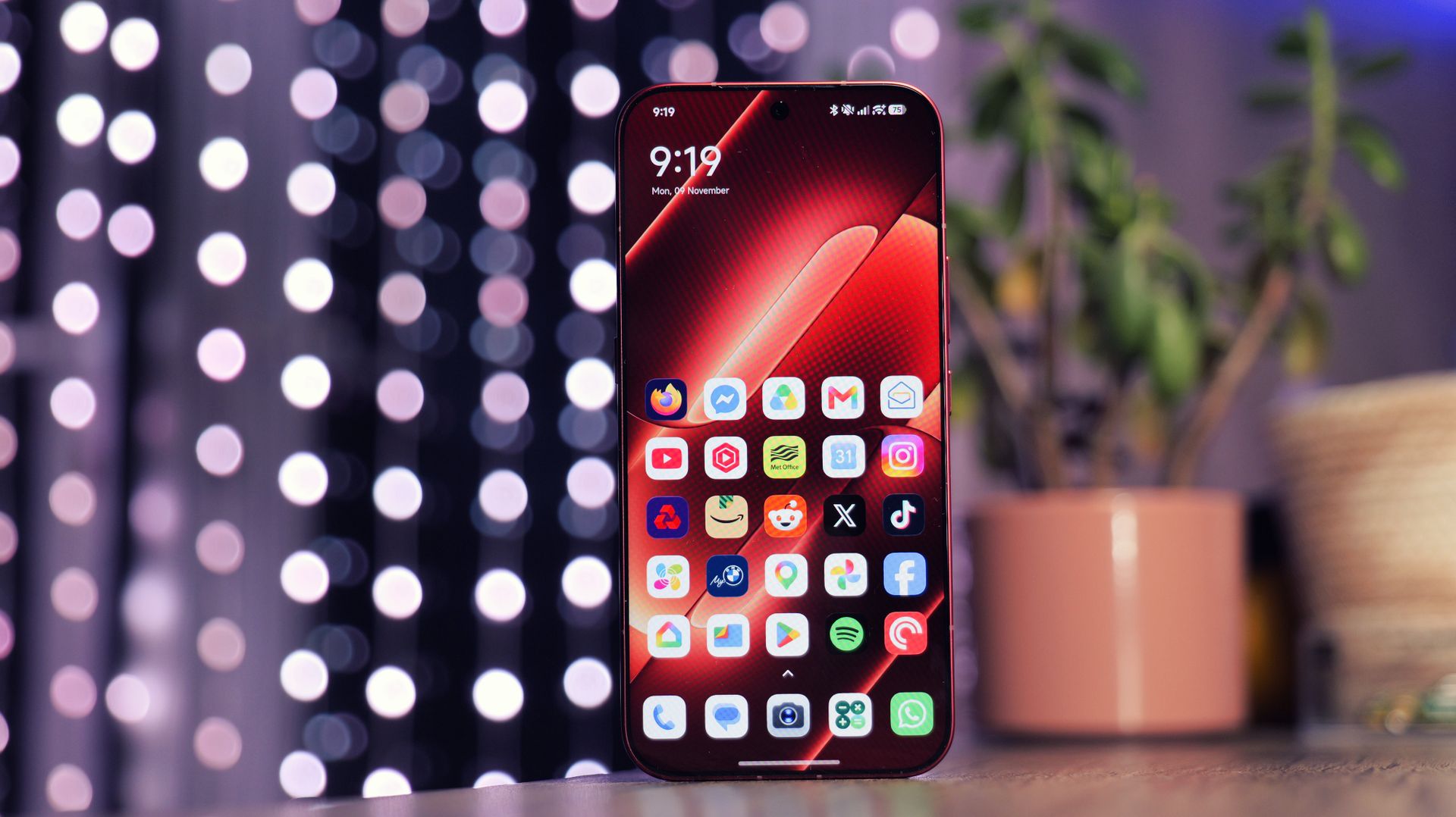
The 18 Pro Max runs Hyper OS 4, which is Xiaomi's custom version of Android 17. Much like the design of the hardware, there's a distinct Apple flavor to the software, too.
If you've tried any phone from Redmi, Poco, or Xiaomi in recent years, this operating system will feel quite familiar. The main changes this generation are just aesthetic tweaks; there's a refined Liquid Glass style effect, and extra capabilities for Xiaomi's Dynamic Island clone.
It's not the most original approach, but I don't necessarily think that's a bad thing. HyperOS is looking more visually pleasing than ever. It runs really smoothly, and tweaks to the underlying architecture mean apps open more quickly than before.
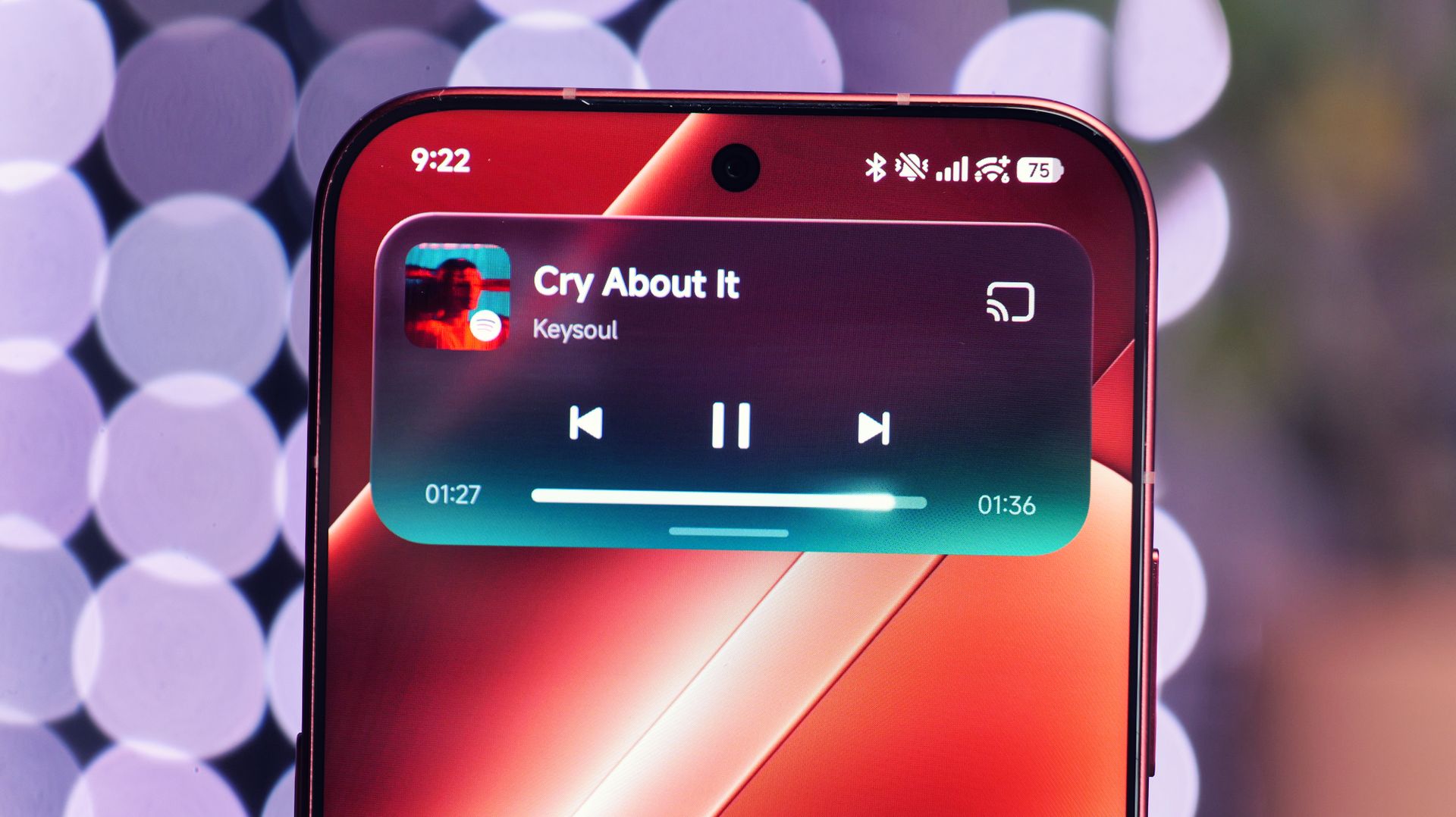
Where HyperOS excels, compared to iOS, is with its customization options. If you don't like the way things look by default, or if you don't like the way things behave, you can almost certainly change them. Xiaomi lets you tweak everything from the animations to the icon style to the home grid layout. You can really make this phone feel like your own.
The downsides to HyperOS are unfortunately still unaddressed. There are still advertisements in the theme and wallpaper apps, which really cheapen the way this phone feels. You'll also find a little bit of bloatware when you first set it up.
My review unit had things like AliExpress and WPS Office installed by default, and while it only takes a few moments to delete these apps, they shouldn't really be there in the first place, especially when a phone costs this much.
- Software score: 4 / 5
Xiaomi 18 Pro Max review: Battery
- 7,050mAh battery
- 100W wired charging
- 50W wireless charging
As we've seen from most Chinese smartphone manufacturers recently, the global version of the Xiaomi 18 Pro Max has a smaller battery than the domestic version. In this case, we get a 7,050mAh battery compared to an 8,500mAh battery in the Chinese model.
The discrepancy is all due to shipping regulations, and I don't think there's much that Xiaomi can do about it, but it still stings, especially when cheaper phones, like the Poco F9 Ultra, get a larger battery.
That said, 7,050mAh is still a high capacity, and I found it was enough to get me through at least a day and a half on a single charge. I moved into this phone from the Oppo Find X10 Pro Max, and I was definitely getting longer battery life with that device, but I had the 8,000mAh version of that phone, so that's to be expected.
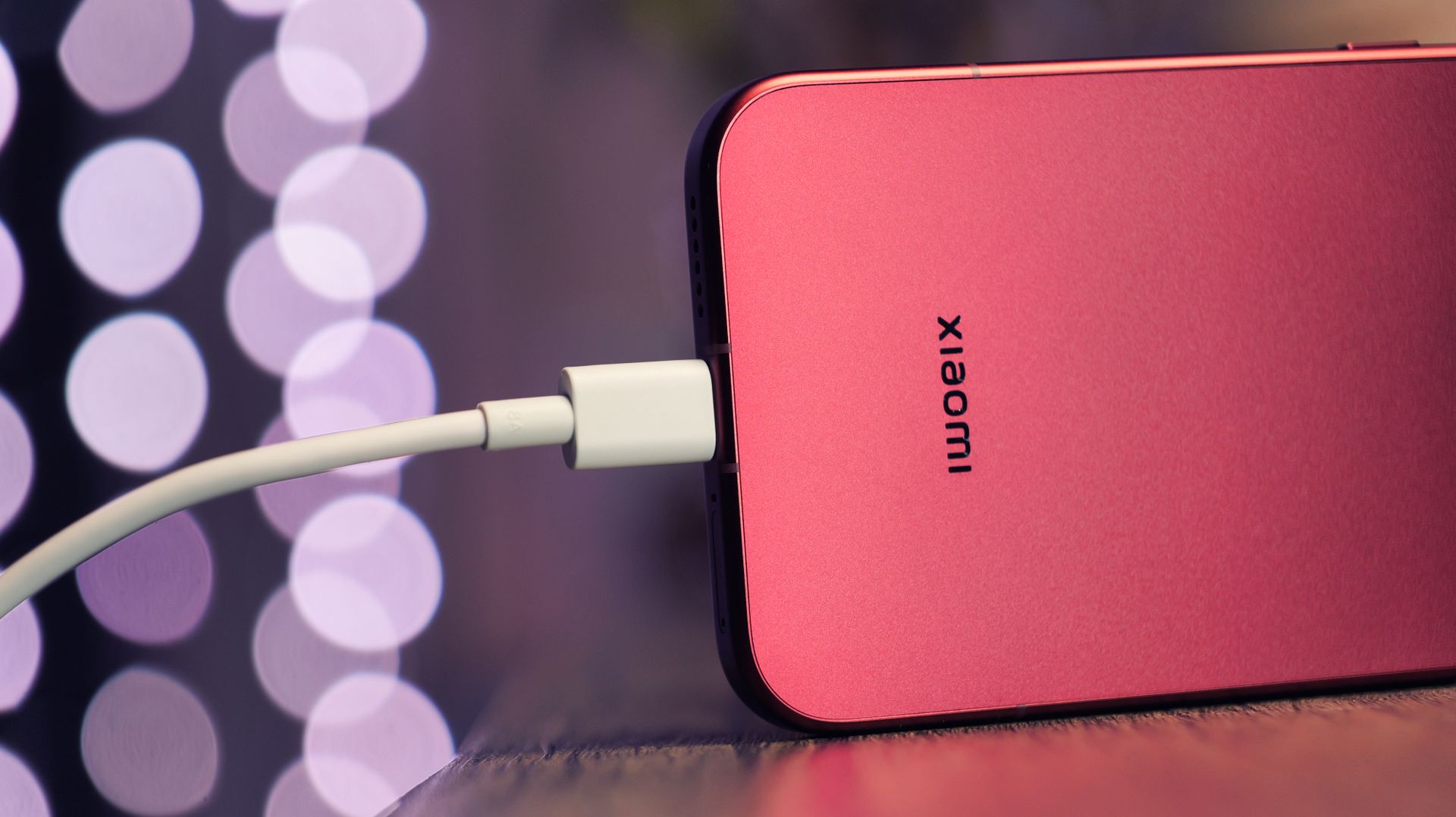
Thankfully, the charging speeds are unchanged from the Chinese model, which means you get a whopping 100W charging speed with a wire and 50W wireless charging. There's no charger included in the box, at least not for the UK version, just a USB-A to USB-C cable.
One of my favorite things about Xiaomi phones is how well they work with third-party chargers. Most brands will require you to buy their official wall adapter to get the maximum charging speed, but with this phone, I could use my Sharge power bank and still get the full 100W speed.
While 100W sounds very fast on paper, the reality isn't quite so impressive. 30 minutes on the charger will take you from fully flat to about 60% charged, which isn't bad, but it's not much faster than something like the Galaxy S26 Ultra. In fairness, though, this phone does have a much larger battery.
- Battery score: 4 / 5
Should you buy the Xiaomi 18 Pro Max?
Attributes | Notes | Rating |
|---|---|---|
Value | Rising component costs mean that the Xiaomi 18 Pro Max costs more than its mainstream rivals. In some ways, that's justified, but it's certainly not a bargain. | 3 / 5 |
Design | While there's some Apple-influence to the styling, the rear screen sets it apart. It's a unique offering in the space, and personally I think Xiaomi's Velvet Red looks a lot nicer than Apple's burgundy. | 4 / 5 |
Display | The screen is well-specced and looks great in use, but I'm not as convinced by Xiaomi's version of the Privacy Display. | 4 / 5 |
Cameras | The main and telephoto cameras are both superb, and the software features are great, too. Unfortunately, the ultra-wide lets the team down a little. | 4 / 5 |
Performance | With Qualcomm's fastest chip inside and a redeveloped vapor chamber calling system, this phone can do it all with relative ease. | 5 / 5 |
Software | HyperOS 4 is feature-packed and looks nicer than ever, but there are a few lingering niggles that should be addressed. | 4 / 5 |
Battery | Battery life is very good and charging speeds are decent. It's just a shame that the global version doesn't get the same mammoth battery pack as the Chinese model. | 4 / 5 |
Buy it if...
You're a vlogger or a selfie addict
If you often take photos or videos of yourself, then having a screen on the rear of your phone is an absolute game-changer.
You're bored of iPhones
In many ways, the Xiaomi 18 Pro Max reminds me of the iPhone 18 Pro Max. But with novel features like a rear screen and Privacy Display, this device is so much more fun than Apple's latest.
Don't buy it if...
You love ultra-wide shots
The ultra-wide camera on this phone is fine, but it's not especially wide, and it struggles in low-light conditions. If you love ultra-wide shots, you should definitely look elsewhere.
You're keen on the Privacy Display
It's great to see other brands adopting this innovative display tech, but Xiaomi's implementation is nowhere near as effective as Samsung's. If it's this feature that piqued your interest, you will have a better time with the Galaxy S26 Ultra.
Xiaomi 18 Pro Max review: Also consider
The Xiaomi 18 Pro Max is a very compelling flagship phone, but it's important to consider the competition, too. Here are a couple of competitors that are worth looking at.
iPhone 18 Pro Max
From the naming to the design and the software, it's clear that Xiaomi took a lot of inspiration from Apple's latest phone. Personally, I had more fun with Xiaomi's version, but if you're already in the Apple ecosystem, you might have a better time with the original.
Read our iPhone 18 Pro Max review
Oppo Find X10 Pro Max
If you like the sound of the Xiaomi, but the weaker ultra-wide camera turned you off, then you'll want to look at the Oppo Find X10 Pro Max. It has easily the best ultra-wide specifications of any phone in this class, which makes it way more versatile. There's no screen on the back, though.
Read our Oppo Find X10 Pro Max review
Xiaomi 18 Pro Max | iPhone 18 Pro Max | Oppo Find X10 Pro Max | |
|---|---|---|---|
Price: | £1,399 | $1,549 / £1,273 / AU$2,099 | £1,499 / AU$2,699 |
Display: | 6.9-inch LTPO OLED | 6.9-inch LTPO OLED | 6.78-inch OLED |
Cameras: | 200MP main; 50MP ultra-wide; 200MP telephoto | 48MP main; 48MP ultra-wide; 48MP telephoto | 200MP main; 200MP ultra-wide; 200MP telephoto |
Processor: | Qualcomm Snapdragon 8 Elite Extreme Gen 6 | Apple A20 Pro | MediaTek Dimensity 9600 Pro |
Battery: | 7,050mAh | 5,391mAh | 7,150mAh |
How I tested the Oppo Find X10 Pro Max
- Review test period: One week
- Testing included: Everyday use, including web browsing, social media, photography, video calling, gaming, streaming video, music playback
- Tools used: Geekbench 7, 3DMark, native Android stats
☑️ 100s of smartphones reviewed
☑️ 15 years of product testing
☑️ Over 16,000 products reviewed in total
☑️ Nearly 200,000 hours testing tech
I put my SIM card into the Xiaomi 18 Pro Max and used it as my main phone for a week. I used it exactly as I would use any other phone, taking photos and videos, playing games, messaging, working, streaming video, and navigating with Google Maps.
I also compared the experience of playing graphically challenging games like NTE to my experience on other flagships like the iPhone 18 Pro and Oppo Find X10 Pro Max. I ran benchmarks on the handset, including Geekbench 7, to confirm my performance findings.
I assessed the battery performance based on my real-world usage, and charging times were measured using an official Xiaomi 100W charger, along with the included charging cable.
First tested: November 2026