AI & ML
BBR's Sharing Behavior with CUBIC and Reno
arXiv cs.NI0 views
arXiv:2505.07741v2 Announce Type: replace Abstract: TCP BBR's behavior has been explained by various theoretical models, and in particular those that describe how it co-exists with other types of flows. However, as new versions of the BBR protocol have emerged, it remains unclear to what extent the high-level behaviors described by these models apply to the newer versions. In this paper, we systematically evaluate the most influential steady-state and fluid models describing BBR's coexistence with loss-based flows over shared bottleneck links. Our experiments, conducted on a new experimental platform (FABRIC), extend previous evaluations to additional network scenarios, enabling comparisons between the two models and include the recently introduced BBRv3. Our findings confirm that the steady-state model accurately captures BBRv1 behavior, especially against single loss-based flows. The fluid model successfully captures several key behaviors of BBRv1 and BBRv2 but shows limitations, in scenarios involving deep buffers, large numbers of flows, or intra-flow fairness. Importantly, we observe clear discrepancies between existing model predictions and BBRv3 behavior, suggesting the need for an updated or entirely new modeling approach for this latest version. We hope these results validate and strengthen the research community's confidence in these models and identify scenarios where they do not apply.
Source:https://arxiv.org/abs/2505.07741PreviousTowards Energy- and QoS-aware Load Balancing for 5G Advanced: Leveraging O-RAN to Achieve Sustainability and Energy EfficiencyNextInvariant Discovery for Networked Systems
Related posts

Why Europe's Freezer Hacks Spread So Far, So Fast
0Dark Reading
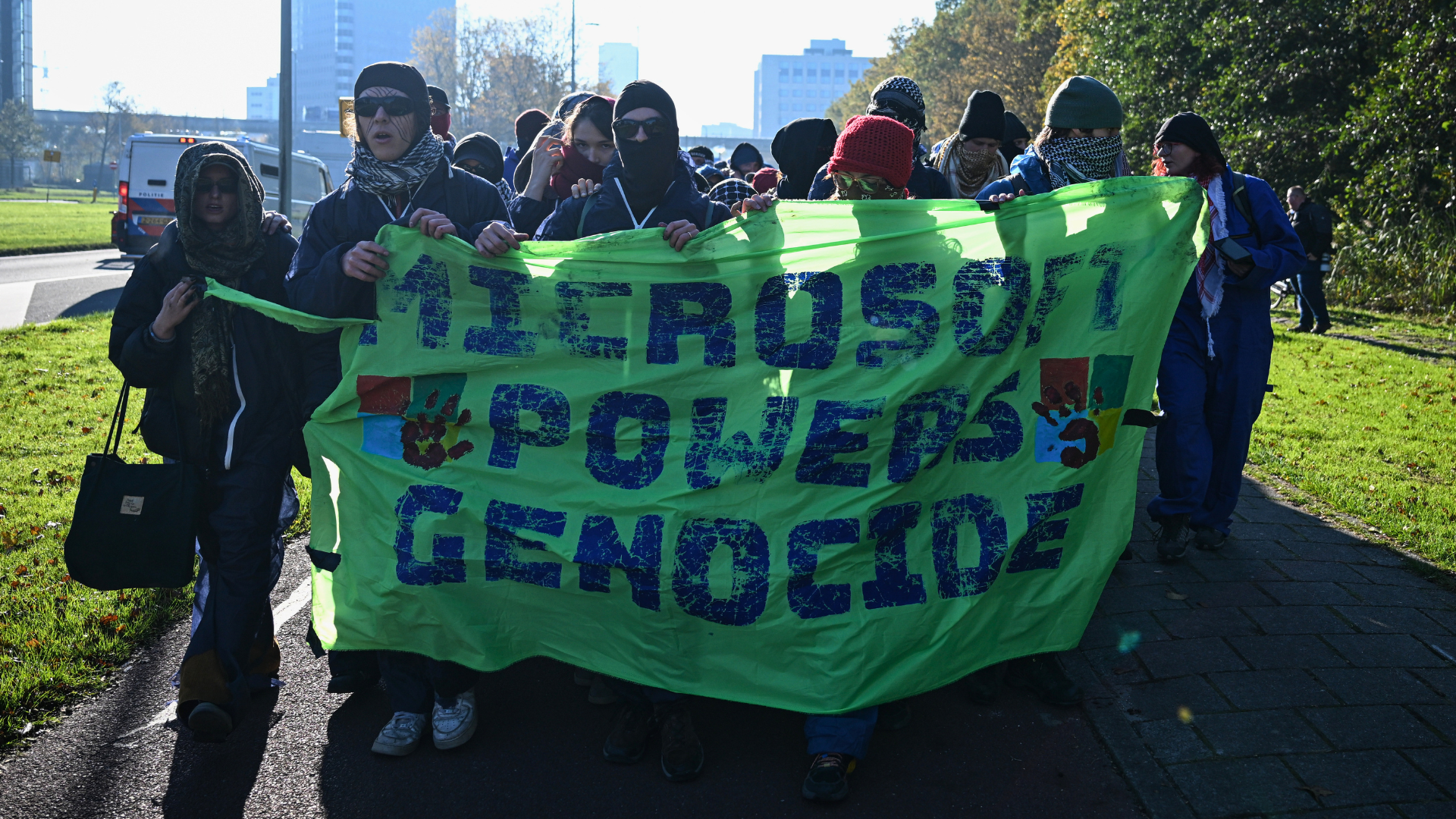
Protesters storm Microsoft AI data center construction site
0Tom's Hardware

The Download: a humanoid cleans house and Samsung builds for the AI boom
0MIT Technology Review

How Remedy designed Control Resonant’s wildest mission: ‘Anything kind of goes’
0The Verge

Four prompts that make AI images look like real photos (tested on Nano Banana and GPT Image)
0dev.to

OLED iPad Mini, M6 iMac, and New MacBook Pros Available From Today
0MacRumors