AI & ML
Plenty to FRET About: From Hazard Analysis to Formal Requirements for Robot-Assisted Dressing
arXiv cs.HC0 views
arXiv:2611.22399v1 Announce Type: cross Abstract: Understanding requirements for systems involving humans and robots is essential for providing robust evidence that such systems behave correctly. Requirements formalisation approaches such as the Formal Requirements Elicitation Tool (FRET) can support the transition from unstructured natural language to formal representations suitable for verification. In this paper, we formalise 146 hazard-derived natural-language requirements for a Robot-Assisted Dressing (RAD) case study, previously classified using a taxonomy of Human-Robot Teamwork (HRT) requirements. Through an iterative process involving domain-expert clarification, these were represented by 117 unique FRETISH requirements. Formalisation exposed ambiguities, temporal and probabilistic assumptions, and cases where source requirements needed to be decomposed or could be consolidated because they expressed the same formal behaviour. Temporal analysis showed that 70.1% of the unique FRETISH requirements use either immediate-response or ordering constraints (immediately or before), while formalisation also exposed relationships between requirements across HRT taxonomy categories. We further analyse the formal semantics and realisability of the resulting requirements. The results show that HRT classification and formalisation provide complementary views: the taxonomy captures the teamwork concern represented by a requirement, while FRETISH makes the required behaviour explicit. We report practical lessons and limitations of applying FRET to HRT requirements and identify directions for further work.
Source:https://arxiv.org/abs/2611.22399PreviousOAK-Mind: Zero-Training Mental Health Change Inference from Passive Sensing via Knowledge-Grounded Multi-Agent LLMsNextHuman-AI Writing as Distributed Cognition: Reassessing Collaborative Writing Theories in the Age of LLMs
Related posts

BenchAudit – Auditing LLM benchmarks for leaks, data reuse, and harness gaps
0Hacker News New

Guillotine DJ – Announcement Trailer
0Hacker News New

Researchers hijack Hugging Face account for popular Kokoro AI model
0Hacker News New

Automated LLM Fine-Tuning: GPU Selection, Dataset Analysis and Feedback
0Hacker News New

Human-written Launch HN posts get more upvotes than AI-generated ones
0Hacker News New
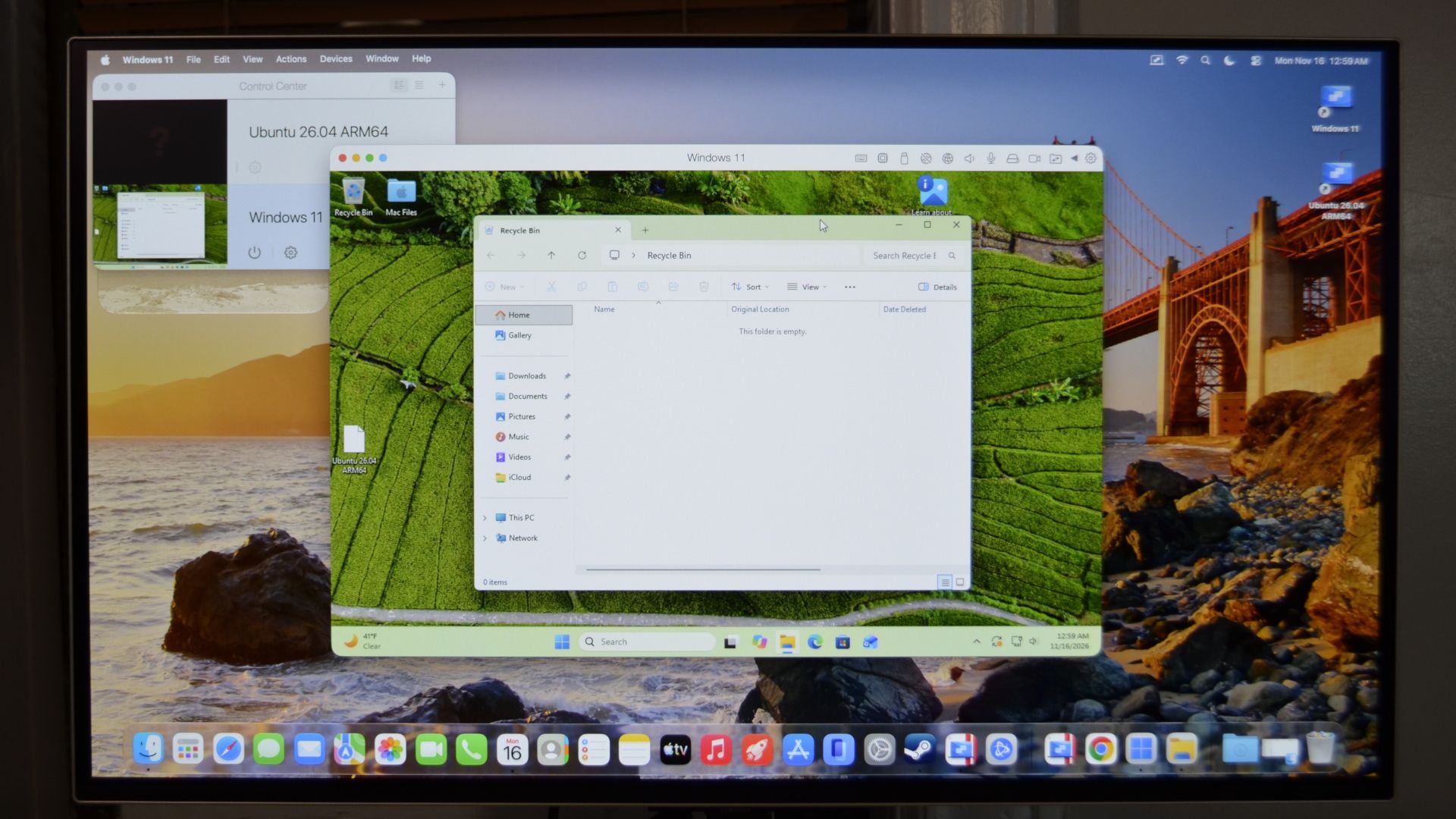
Parallels Desktop review
0TechRadar