AI & ML
Sensed but Not Told: Hidden Physiological Adaptation Shapes LLM Persuasion
arXiv cs.HC0 views
arXiv:2611.09394v1 Announce Type: new Abstract: Wearable sensors, including those embedded in VR headsets, can provide LLM-based chatbots with physiological signals that users do not explicitly communicate. We tested whether such hidden input changes persuasion. In a $2\times2$ within-subjects study ($N=24$), a chatbot argued against participants' self-selected opinions with or without turn-level heart-rate and pupil-diameter features; sensing was disclosed halfway through the study. Before disclosure, sensing increased perceived persuasiveness by 1.42 points. Across the study, sensing was associated with a 0.57-point greater shift toward the chatbot's position and 3.20 times the odds of any movement toward it. Persuasiveness ratings were lower after disclosure, although disclosure was confounded with session order. Dialogue logs suggested a more declarative interaction style when sensing was on: chatbot replies contained question marks less often, and conversations contained fewer turns. These findings motivate making biosignal-driven adaptation inspectable and providing a genuinely non-sensed mode.
Source:https://arxiv.org/abs/2611.09394PreviousThinking Twice: A Sequential Approach to Nudge Towards Reflective Judgment in GenAI-Assisted Decision MakingNextDeepRadio: A Human-Agent Workspace for Physical Radio Development
Related posts

Show HN: AI boom or bust, US war footing or not (four scenarios to 2029)
0Hacker News Show

Show HN: Deepreed – preserve your writing style when using LLMs
0Hacker News Show

New Linux Patches Bring-Up The Samsung Galaxy XR Headset, Qualcomm Halliday SoC
0Phoronix
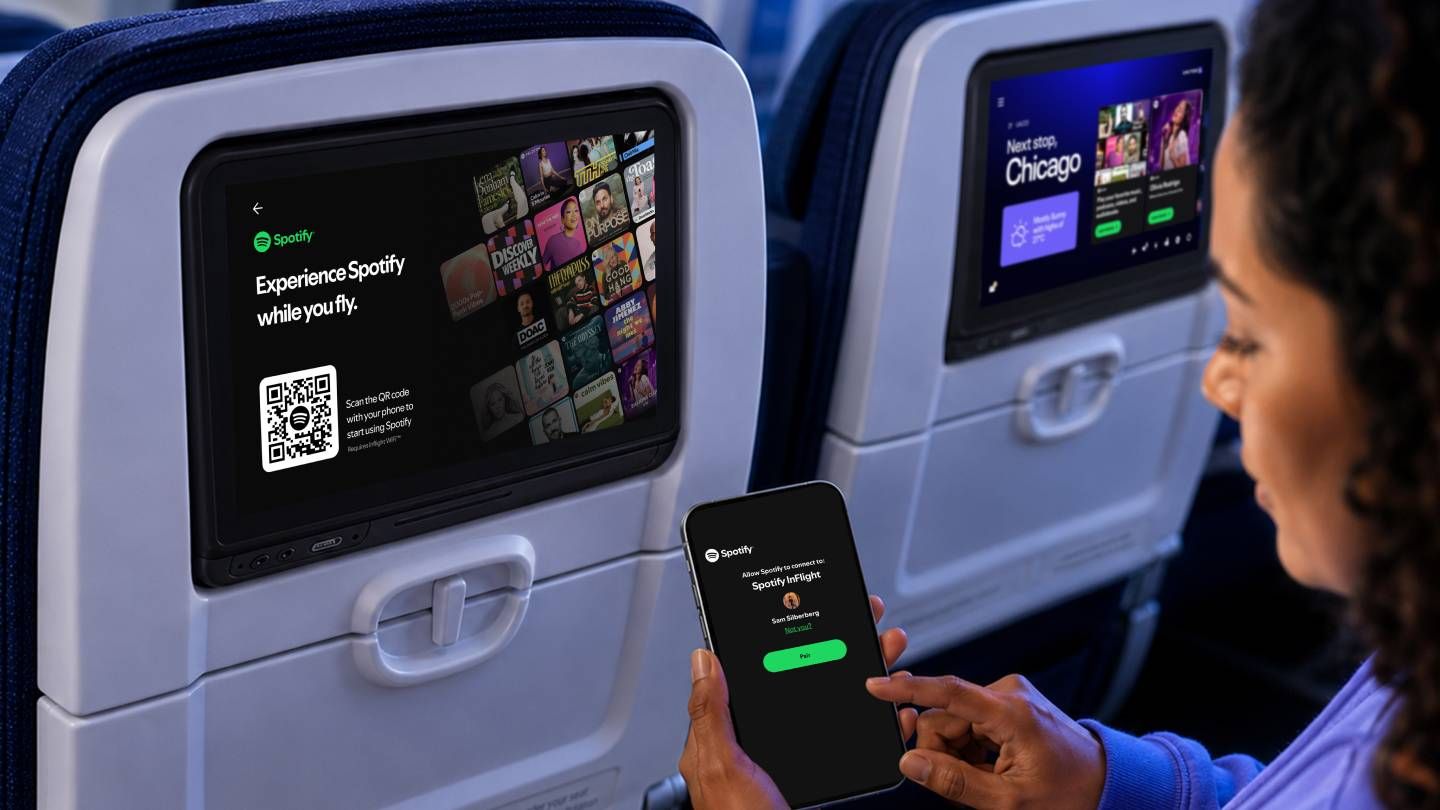
Some United Airlines flights now let you sign into Spotify on your flight — and its' totally free
0TechRadar

Straight Talk just dropped an unlimited data plan to $20/mo ahead of Black Friday — a brand new record
0TechRadar

Who Gives A Crap: Data breach at ethical toilet paper company exposes customer information across UK, US and Australia
0TechRadar