The Revenant, Blade Runner 2049, Dune: Part One and Part Two. You might not recognize the ARRI name, but you’ve undoubtedly watched one of the many Academy Award-winning films created using the camera maker’s tech.
Founded in 1917, the German company has quietly grown into one of the most respected names in cinema, with its digital ALEXA camera system used to film countless blockbuster hits. Popular models like the ARRI ALEXA 35 can cost upwards of $80,000 to buy and require a trained crew to operate.
It’s the kind of equipment that few would ever have the opportunity, let alone the expertise, to use, which is what makes ARRI’s partnership with Chinese smartphone giant Honor so interesting. With the upcoming Honor Magic 9 Pro Max, the two brands are aiming to turn buyers of the flagship Android phone into pro cinematographers by giving them access to some impressive imaging tools. And I got a chance to try them in Hollywood, California.
A pocket cinema camera
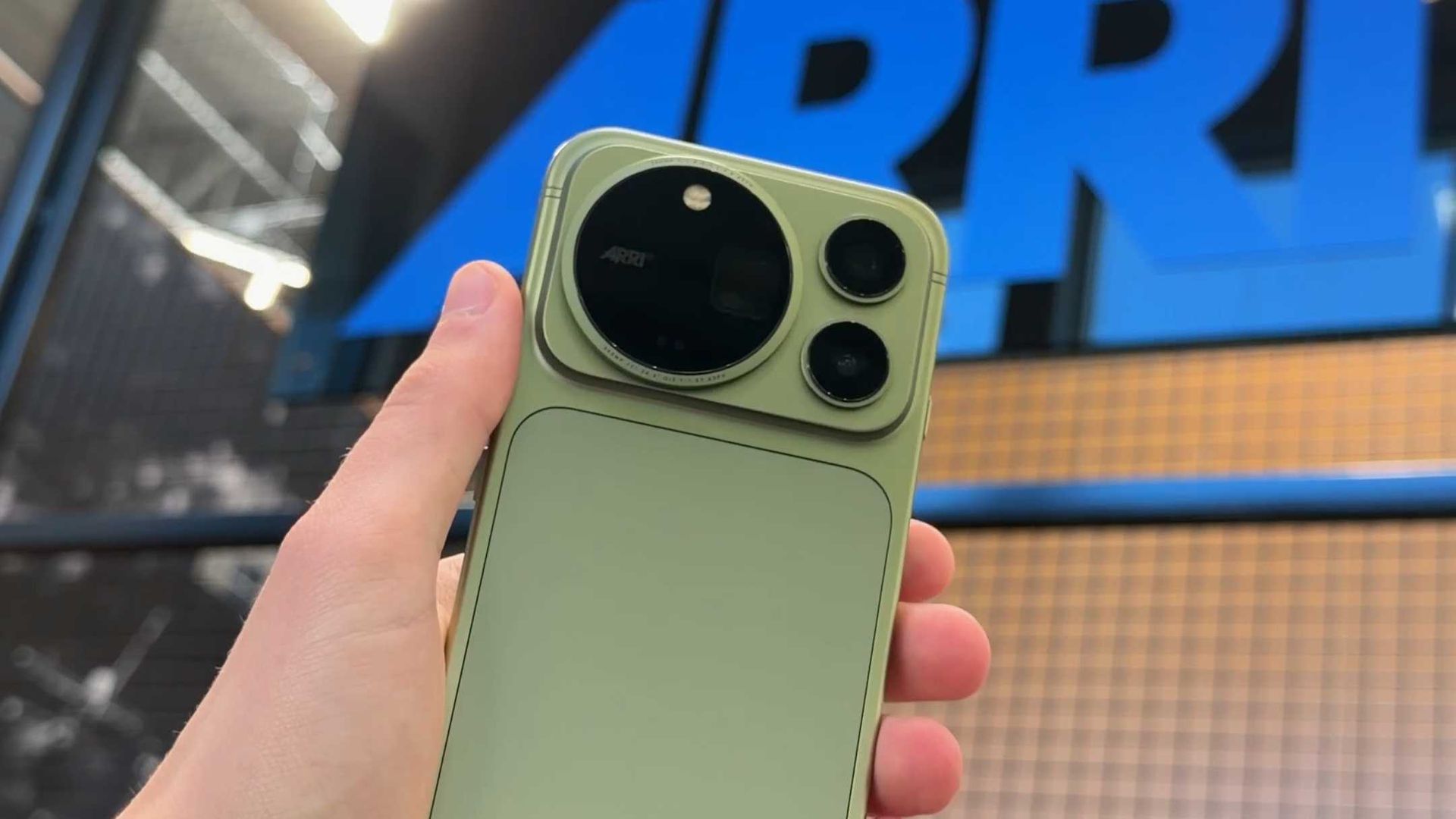
The physical design of the Honor Magic 9 Pro Max is a statement of intent. Its sleek camera module is branded with the ARRI logo and arranged in a three-lens layout that is intentionally reminiscent of the appearance of classic film cameras like the vintage Arriflex 35. It’s a major departure from the big circular camera layouts of the company’s previous flagships, like the Honor Magic 8 Pro, and in my eyes, it looks a lot more balanced and professional.
I’m sure that Honor has also taken some inspiration from the look of the latest iPhone Pro Max line, but some neat touches do help set the Magic 9 Pro Max apart. I personally love the satisfying texture of the metal ring that surrounds the biggest camera's housing. It feels very analog, and running your fingers across it almost feels like adjusting the focus of a DSLR camera lens.
Under the hood, the phone boasts two 200MP shooters alongside a 50MP ultra-wide lens. Stabilization was a big focus in the design of this camera setup, and Honor claims that the Magic 9 Pro Max will offer equivalent performance to a stabilizing gimbal — even in low-light conditions where most phones would struggle, as longer shutter speeds emphasize movement.
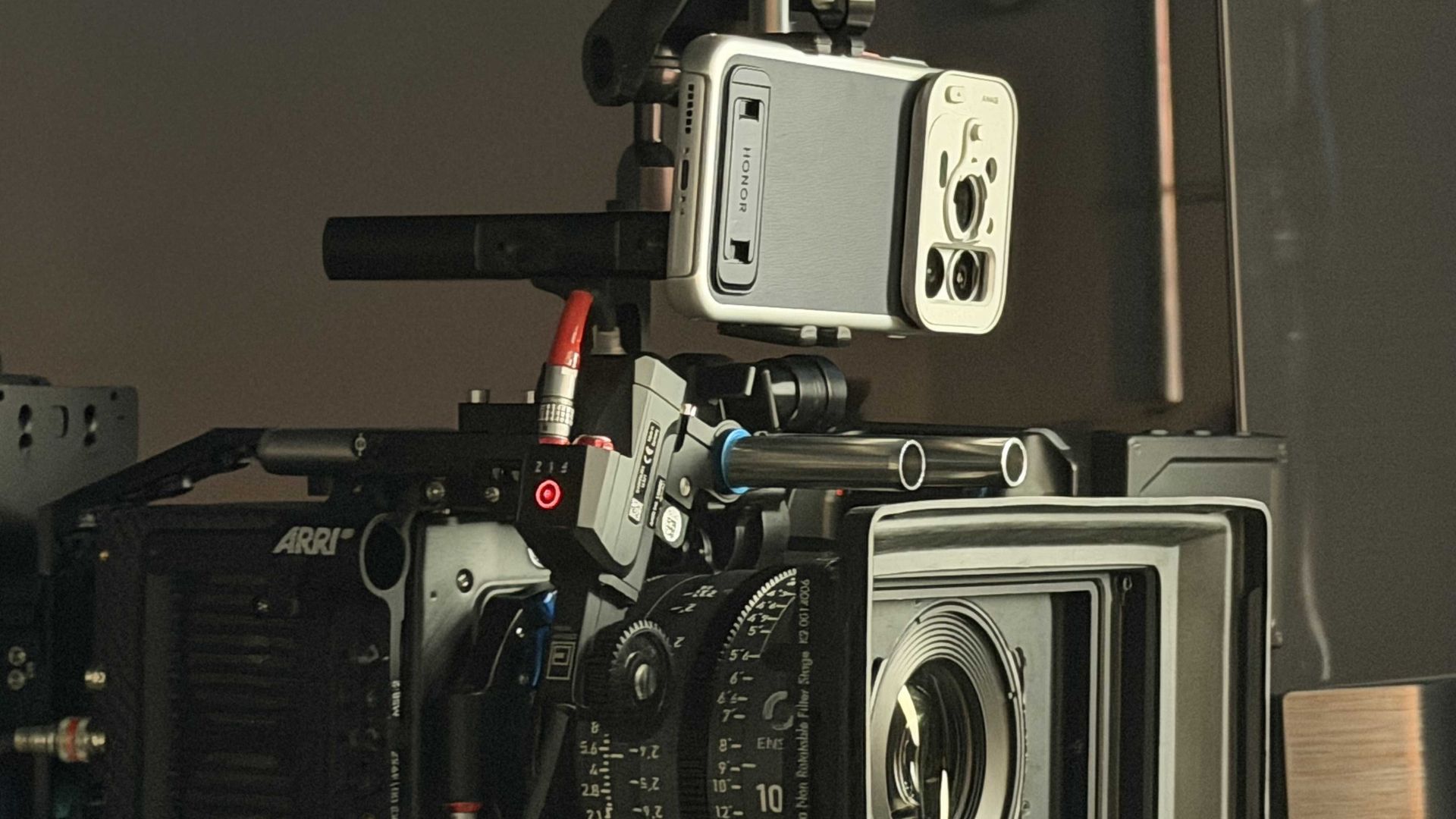
You can still use the Honor Magic 9 Pro Max to take standard photos (and, in my testing so far, it has managed some excellent shots — though I'm not permitted to share any just yet). But as the phone's design would suggest, video is really where it comes into its own. Honor and ARRI have effectively taken a full end-to-end cinematic workflow and condensed it into a basic process that anyone can follow (incidentally, you'll find the same workflow on the recently released Honor Robot Phone).
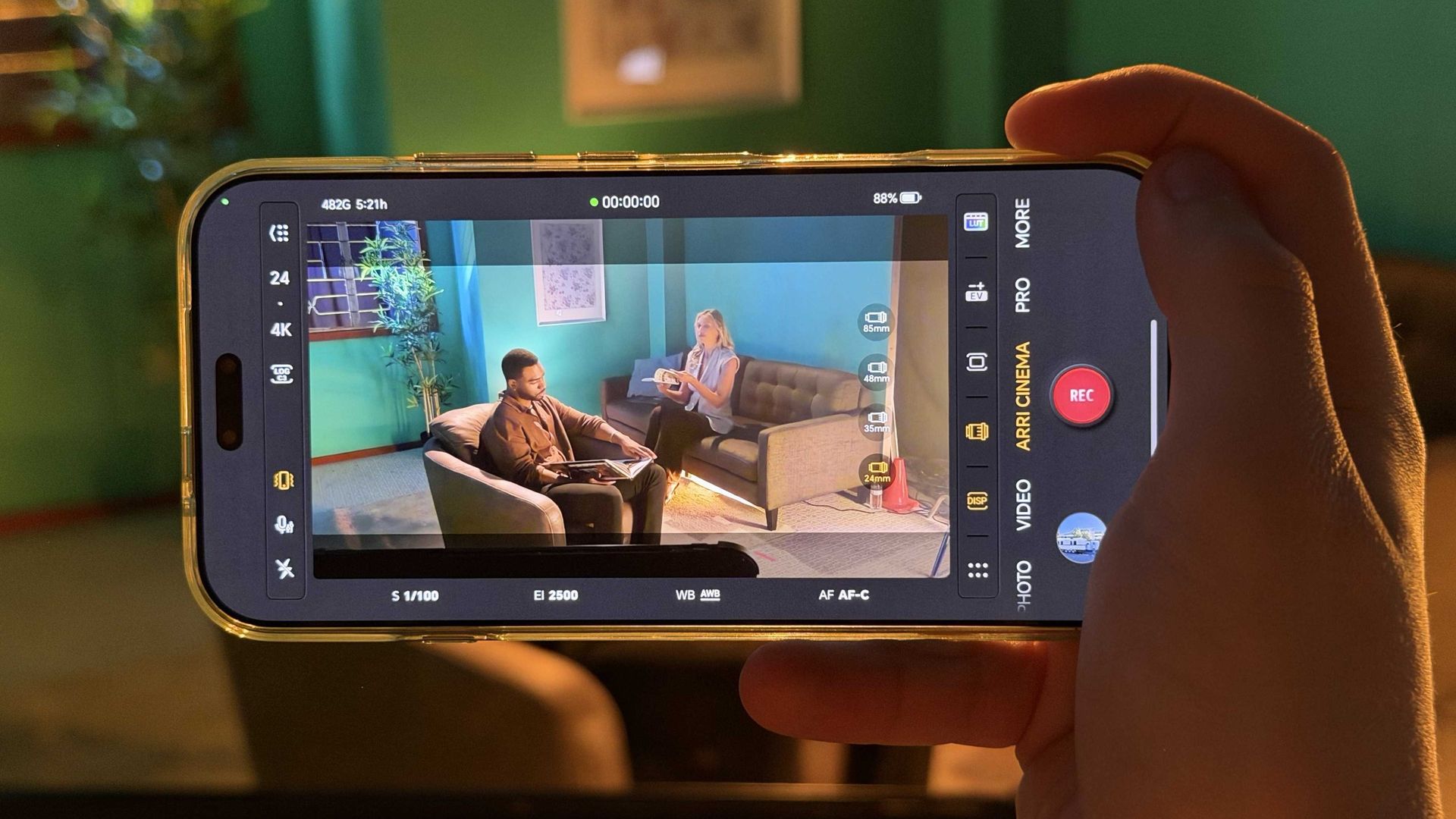
The first step is enabling the ARRI Cinema mode in the phone’s camera app. It takes a few moments as it loads up a wealth of tools, the most important being the ability to record in up to 4K 60fps using ARRI LogC3 and Wide Gamut 3. Without getting too technical, ARRI LogC3 is a gamma curve designed for ARRI’s cinema cameras, intended to capture as much dynamic range and contrast as possible, while Wide Gamut 3 ensures a larger range of colors can be reproduced.
Encoding all this into an image produces a very flat, almost grayscale look that’s absolutely packed with imaging data, which is vital when you take your footage into professional color grading software like DaVinci Resolve to give it a more stylized, cinematic look. Pro users can take footage from the Honor Magic 9 Pro Max into DaVinci Resolve, but there’s really no need when some nifty color-grading options are built in.
From capture to color
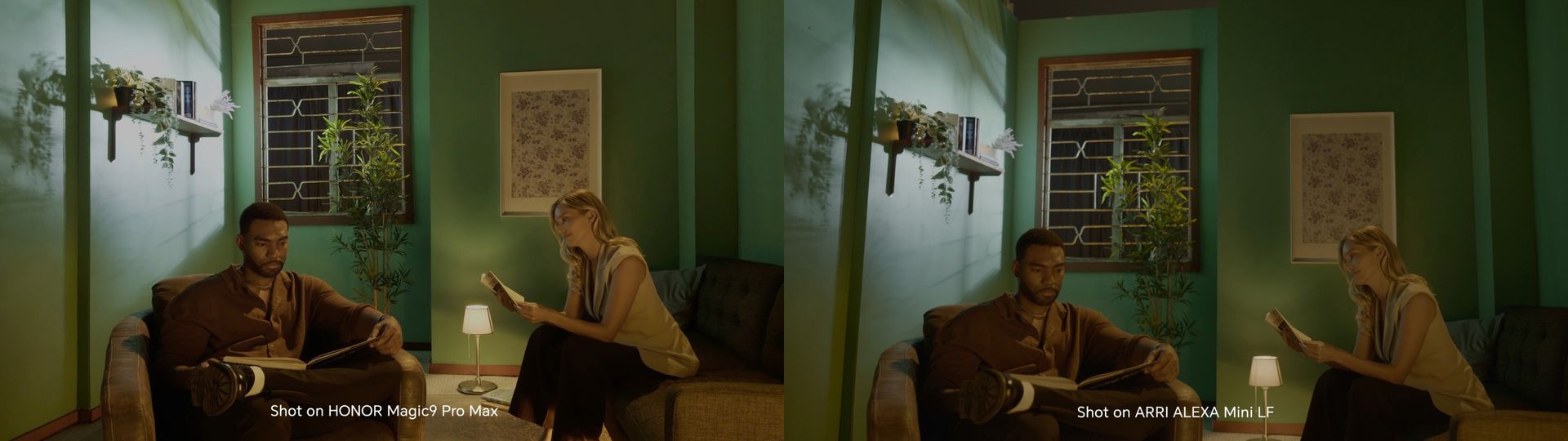
The Honor Magic 9 Pro Max comes pre-loaded with 14 color grading profiles (or LUTs), many taken straight from the ARRI Look Library — an online collection of presets used in professional film productions. There is a good range to experiment with here, with some of my favorites so far including the cutesy ARRI-6311, which renders beautiful pastel tones, and the amusing ARRI-9211, designed for day-for-night shots.
It’s fun to play around and experiment with the different profiles and, with the right setup, you can get some pretty incredible results, with gorgeous, rich colors and lifelike skin tones (the latter being something that ARRI hardware has become known for). These presets are only the beginning as well; you can download more ARRI LUTs from the company’s website and import them to the phone.
You’re not restricted to just those created by ARRI either, as the Honor Magic 9 Pro Max is fully compatible with third-party LUTs that you can find online. Many LUTs are available for free, which opens the door to practically limitless aesthetics. You can preview each LUT while you’re filming as well, which lets you see exactly how your finished footage is going to look as the action is happening.
If you’re already a budding cinematographer with your own LUTs, this means that you can use the Honor Magic 9 Pro Max to gain a pretty good idea of how your finished footage will appear without the costly camera setup.
Honor has clearly gone to great lengths to make everything here as approachable as possible, though I do worry that these features will be niche. Either way, it’s a neat collaboration, and I’m certainly interested to see what kinds of footage people will be able to achieve when the Honor Magic 9 Pro Max releases soon.