AI & ML
PULSAR-V: I/O-Aware Post-Update Attestation for RISC-V
arXiv cs.CR0 views
arXiv:2611.24135v1 Announce Type: new Abstract: Post-update attestation proves that a device installed the intended firmware, not that the image stayed protected until the report was signed. In a multi-master SoC, a master outside the attested processor can corrupt update-critical memory. In contrast, the firmware identity, lifecycle state, and the CPU's protection evidence remain byte-identical to a healthy device's. We present PULSAR-V, a post-update attestation architecture which binds the authenticated update commit to the effective permissions and immutability of both gates (PMP/EPMP on the CPU, the I/O policy mediating DMA), sampled at the commit and at attestation, the I/O gate latching its own commit-time state in hardware. In a RISC-V SoC prototyped on a ZCU102 FPGA (CV32E40S core with 16 PMP regions, IOPMP-style unit, AXI write guard), a 256-byte write from the board's Arm DMA engine bypasses PMP and corrupts the committed image: every conventional claim stays true, and PULSAR-V rejects the device on its I/O-policy evidence alone. It also rejects an intact device whose policy left the image writable, a verdict no integrity check can reach. The gate and its commit latch cost 436 LUTs, 4.6% of the SoC, and evidence collection takes 43.1k cycles independent of image size, 41x less than re-hashing 16 KiB.
Source:https://arxiv.org/abs/2611.24135PreviousEvaluating LIM Trading Agents: A Critical Review of Backtesting Validity and Reporting PracticesNextGuarding the Kingdom of Skill-Based Agents in the AI Dynasty of Computation: Control-Flow Integrity for Agent Skills
Related posts
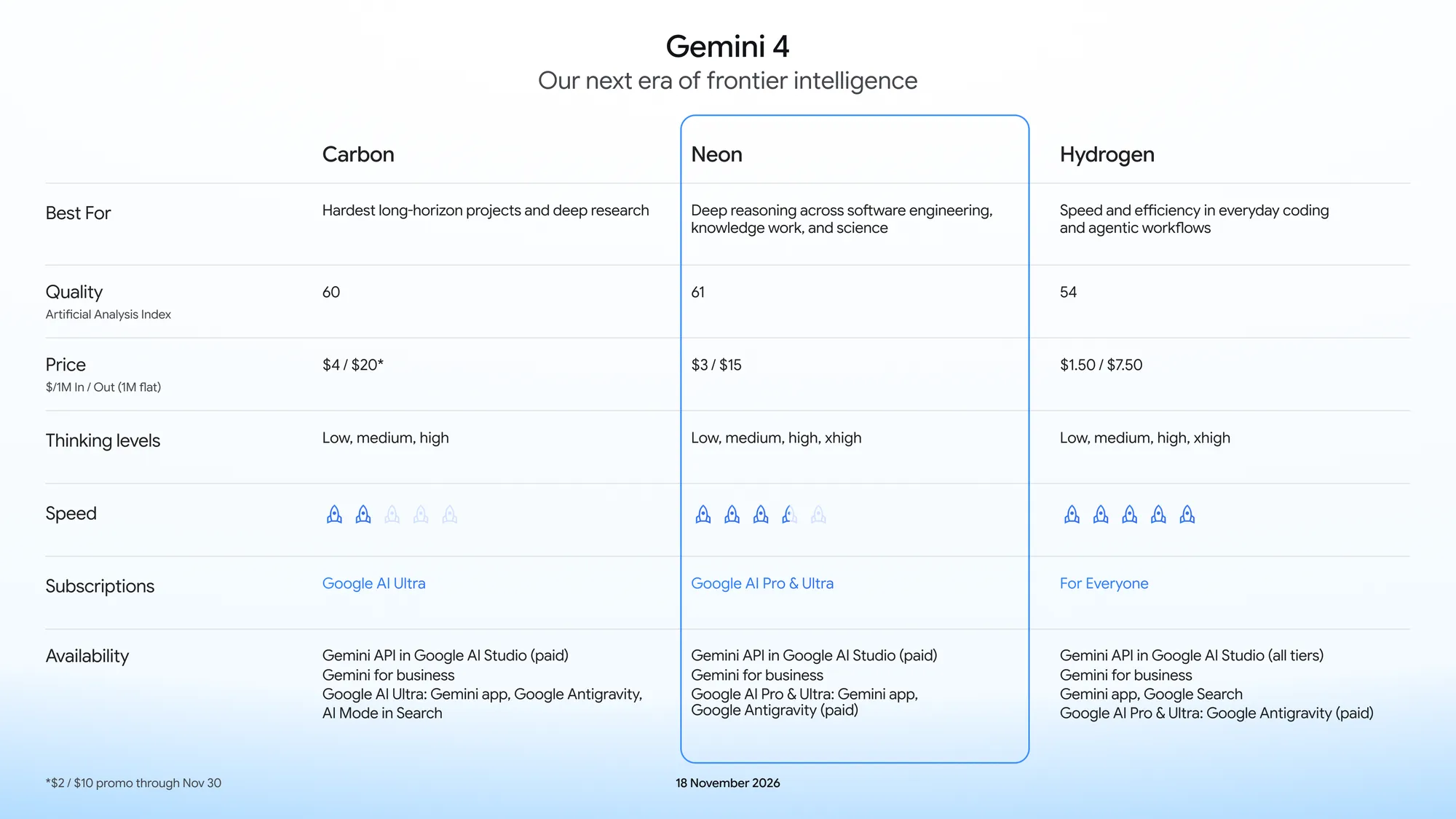
llm-gemini 0.38
0Simon Willison

How to detect user frustration in chatbot conversations
0dev.to

Mình Đã Biến Gemini Thành Trợ Lý Cá Nhân Như Thế Nào (Lịch, Drive, Gmail và Những Lần Suýt Toang)
0dev.to

Im looking fr any free ai models / tools are there?, leaVE UR Lights💡
0dev.to

I checked 10 SEO agency websites for AI-search readiness. The real bugs were the boring ones.
0dev.to

How much GPU memory does an LLM need? The whole sum, worked out on real cards
0dev.to