Ukrainian forces ditched Elon Musk's Starlink wireless system and used their own relay network of "flying modems" to maintain a live feed of an attack on the Crimean Bridge, even amid Russian attempts to block the signal. The attack, which led to the partial collapse of the bridge, was significant for a number of reasons. The bridge is one of Russian President Vladimir Putin's most symbolic assets due to its linking of the occupied Crimean Peninsula and Russia. But perhaps more importantly, the attack's use of Ukrainian connectivity technology highlights the country's lessening of its reliance on Starlink. The modems were crucial to the success of the mission, with the FT reporting that they kept missiles connected to their pilots while they manoeuvred through Russia's air defenses.
Videos of the attack showed Flamingo missiles, carrying a 1,200kg warhead, being remotely piloted towards the bridge. Flamingo missiles are capable of traveling at around 590 miles per hour, requiring a stable and reliable video feed. It's reported that the Ukrainians deliberately chose not to use Starshield, the military version of Musk's Starlink, for the operation, with the company's satellite network having been restricted in recent weeks. That restricted service would have been insufficient for the Crimean Bridge attack, forcing Ukrainian forces to find another solution. Ukrainian President Volodymyr Zelenskyy said this week that he has not been told why Starlink's connection has been throttled, with neither the White House nor the Pentagon being forthcoming. SpaceX, Starlink's parent company, has also so far not provided any explanation. However, relations between Zelenskyy and Musk appear to be strained, with the SpaceX CEO saying that Ukraine had "gone too far" by striking Russian data centers.
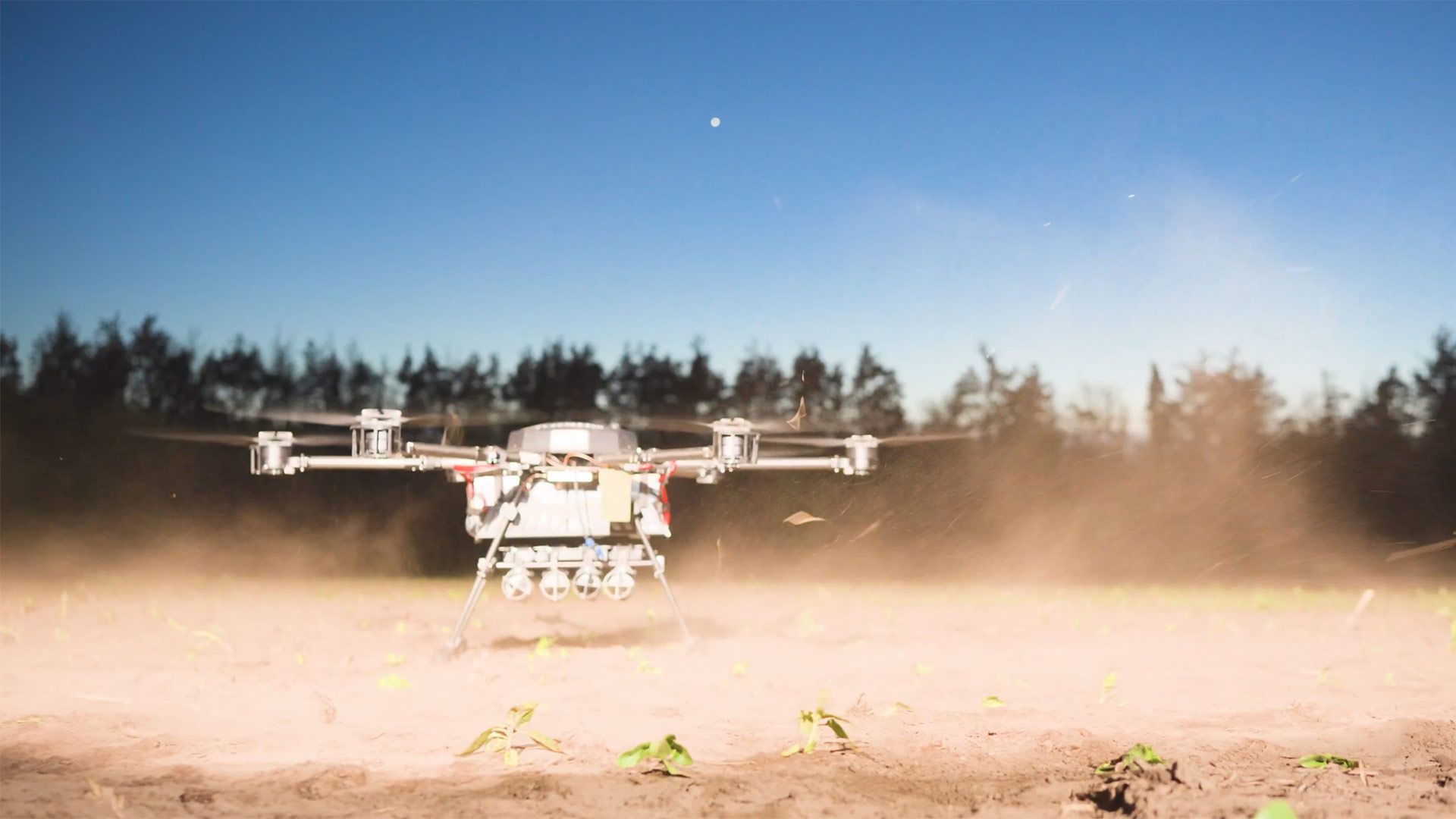
With Starlink, or Starshield, no longer fit for Ukraine's needs, it turned to the "flying drones" instead. The flying communications towers were used as a relay, boosting the signal sent from individual missiles so that it could more readily reach their pilots. This approach allowed the weapons to fly farther while still maintaining a reliable connection, allowing them to bypass Russian air defense systems and attempts to block their signals in the process. Without the relays, Ukrainian drone pilots have previously had to program missiles with coordinates and then rely on their autopilot system. They were inevitably shot down because they could not be steered away from Russian defenses.
Perhaps ironically, Ukraine isn't the first country to use flying communications towers. Russian forces were using similar technology as early as 2023, before the system began using a Chinese mesh networking system.