AI & ML
Wrong Input, Wrong Threshold: Re-evaluating Adversarial Facial Privacy
arXiv cs.CR0 views
arXiv:2611.21923v1 Announce Type: cross Abstract: Published face-privacy methods report protection above 90% against black-box recognition models. That number comes from an evaluation protocol with two independent defects, reported in a measure that cannot size either one. The input is wrong: methods published since 2022 feed the network the whole photograph, or a detector's box, where deployed systems detect, align to a landmark template and crop. Re-scoring the same files through a realistic front end costs a standard transfer attack 56% of its dodging protection and a budget-allocating attack 7%, with no image regenerated. The measure is wrong: that loss is a difference of success rates, so it saturates, moving by 8.2x over a budget sweep while the effect beneath it moves by 1.34x. We therefore report the paired cosine shift, in which both thresholds cancel algebraically, so the input defect holds without committing to a calibration. Measured that way it is 2.2x and 10.7x larger on three unseen recognizers, and at matched budget it reverses the L-infinity transfer ranking: the one surveyed method that aligns at evaluation gains 0.18 where MI-FGSM loses 0.05. The cause is a resampling mismatch, not perturbation lost outside the crop; optimising through a differentiable alignment operator largely removes it, adding +24 to +58 points on unseen recognizers and a commercial system, with a residual on one of them. The thresholds are wrong: the four constants inherited since 2021 hold the false-accept rate near its nominal 1% on aligned crops but admit 2.3-5.4% on whole images, with an opposite-signed bias across dodging and impersonation, the two tasks reported side by side. Differentiable alignment and gallery scoring are not new: the first generation of this literature used both, and we show what dropping them cost.
Source:https://arxiv.org/abs/2611.21923PreviousTIBECG: Temporal Information Bottleneck for Lead-Specific Demographic Privacy in ECG Waveform ReleaseNextV2V Communications Using Blockchain-Enabled 6G Technology and Federated Learning
Related posts

Disney Imagineers Have Built AI-Powered ‘Star Wars’ Alien Audio-Animatronics With AWS
0CNET News

Which Laptops Last the Longest? Check Out the Laptops I’ve Tested With the Best Battery Life
0CNET News
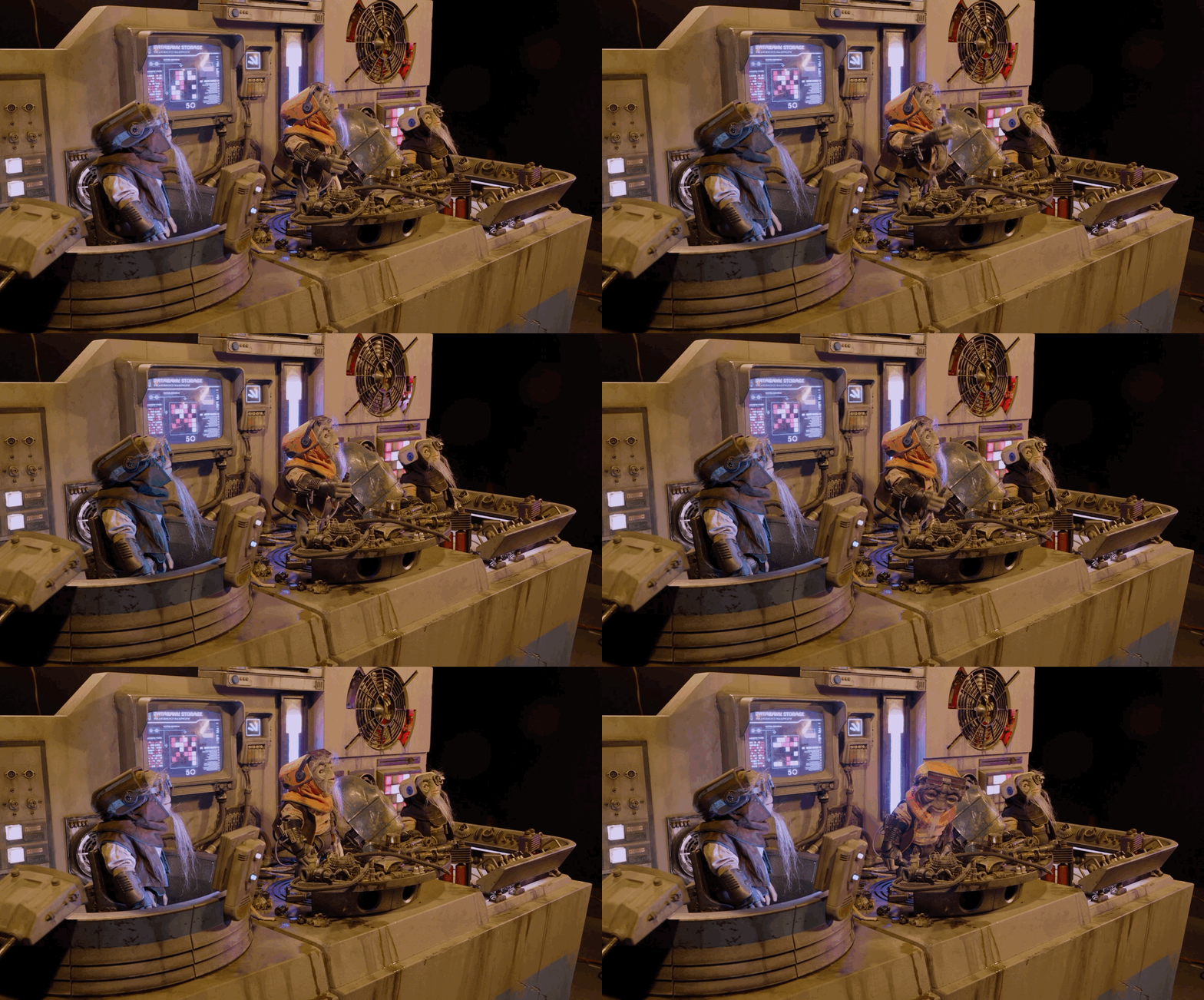
'This is not about short-term playtests’ — Disney's AI-powered Star Wars Anzellans offer a glimpse at the future of its parks
0TechRadar

Best Amazon early Black Friday deals — Fire Sticks, AirPods, LEGO, Ring Doorbells and more
0TechRadar
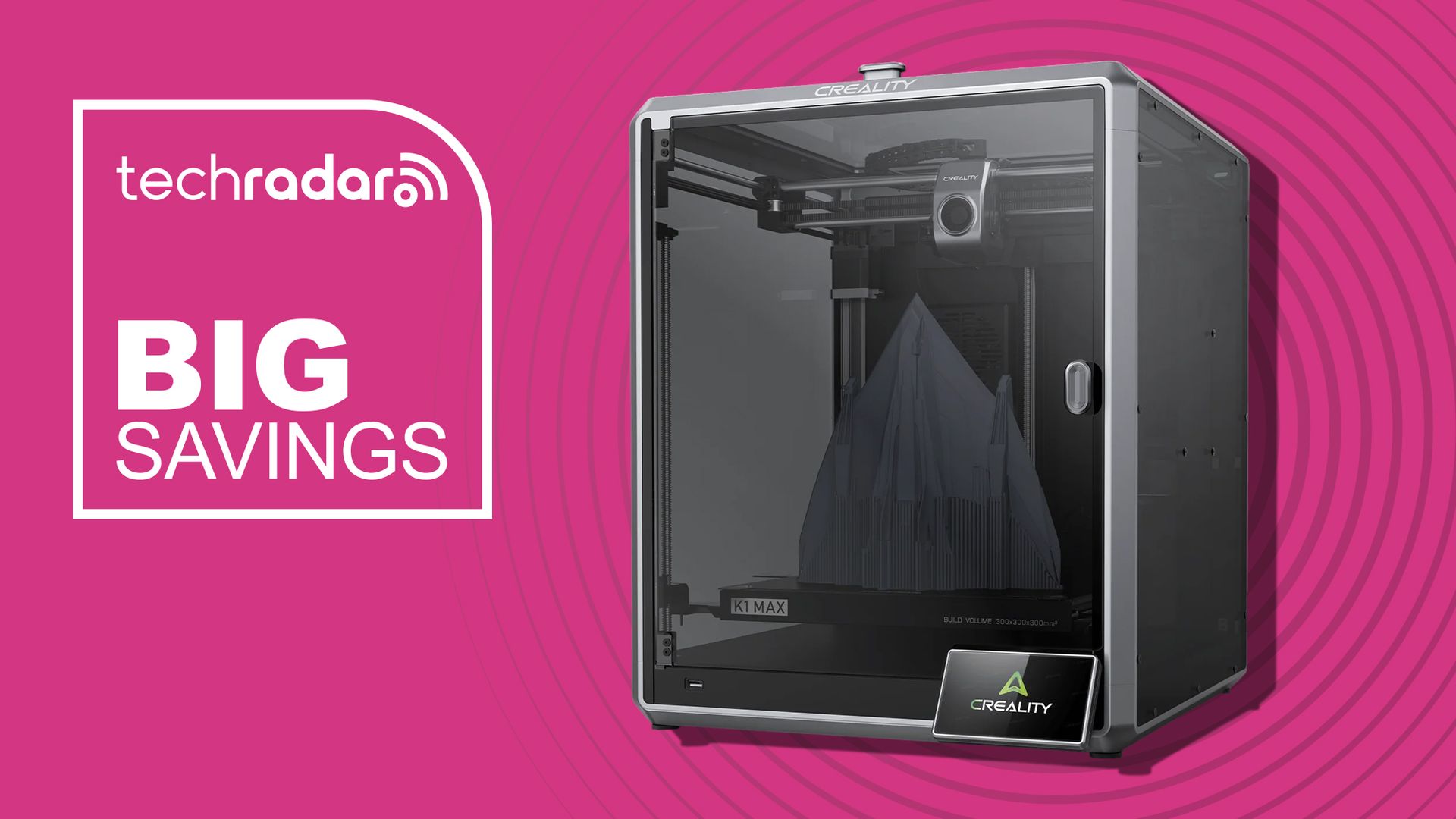
AI meets innovation in the stunning Creality K1 Max, now with a $350 discount
0TechRadar

GTA 6 head of development says ‘the emphasis on interactivity’ adds ‘friction’ to almost every facet of gameplay — ‘It means you have to think a little bit more about what you want to do and when and
0TechRadar