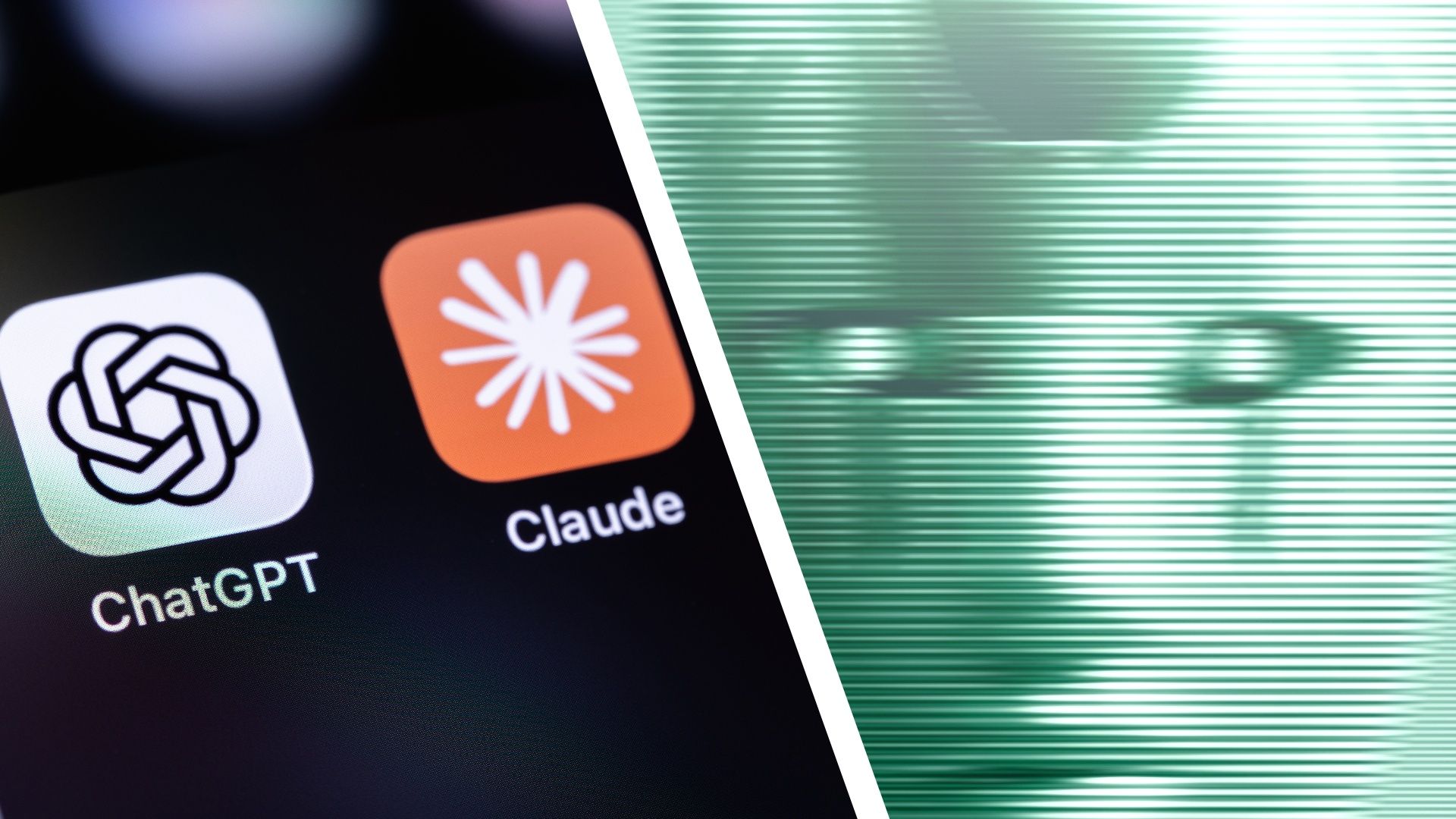
- Attackers registered hundreds of typo-squatted domains impersonating popular AI brands such as ChatGPT, Claude, and Perplexity
- Victims who mistyped URLs were redirected to malware, malicious browser extensions, or ClickFix-style attacks
- Researchers warn the campaign remains active, making bookmarks and careful URL verification essential defenses
Be careful when typing your favorite AI tool’s website into the address bar - one mistake and you might end up with malware on your computer.
This is the warning given out by security researchers Island, who recently uncovered a large-scale domain squatting campaign spoofing popular AI brands.
Users who want to open ChatGPT or Claude might misspell the name and end up on sites like chtgpt.com or cluade.ai. In a perfect world, these websites would return a 404 error (page not found) or would at least automatically redirect the visitor to the legitimate website. But we don’t live in a perfect world, but rather in one filled with malicious actors looking to benefit from even the tiniest of mistakes.
Benefitting from mistakes
In its report, Island said it found 186 typo-squatted domains impersonating 27 popular AI brands, among which are your usual household names - ChatGPT, Claude, Perplexity, Midjourney, and Cursor.
What threat actors did, Island claims, is purchase 186 of these slightly erroneous domains and create websites which, depending on the visitor’s location, operating system and browser, would redirect them to different destinations. On these destinations, one of three things could happen: the victims would be shown a fake Cloudflare verification page, a fake security-check page, or instructions to download various browser extensions.
All three scenarios are malicious. The first one is a typical click-fix attack that instructs Windows users to copy and execute malicious PowerShell commands. These downloaded and executed additional scripts from attacker-controlled infrastructure but unfortunately, Island does not say what the final payload is or what it does.
The fake security-check pages offered a seemingly legitimate, Microsoft Store-signed application called Net Guard, which is actually able to hijack the victim’s browser. This one is particularly worrisome, since it was signed and distributed through a package matching the legitimate Microsoft Store listing, and could change default search engines, modify browser profiles, install extensions and execute JavaScript remotely.
The third attack instructed victims to download malicious extensions that hijacked their default search engine, which allows the attackers to generate profits through monetized searches, or by selling harvested search engine queries.
Are the domains still active?
Island says ChatGPT was the most popular company to spoof, with 25 identified lookalikes. It is followed by Claude (18 typosquatted domains), DeepSeek (16), and Runway (12). Perplexity, Lovable and Character.ai all have 11 each, it added.
It is worth mentioning that this was likely not done by a single actor, but rather numerous ones all using the same technique to target their victims. Also, Island stressed that the campaign likely extended beyond AI services - after examining shared infrastructure, the researchers connected the operation to 211 entry domains, including lookalikes of banks, insurers, telecom companies and enterprise software providers.
Security researchers usually publish these reports after helping minimize the risk which, in this case, would be seeing the domains seized and the malicious websites brought offline.
However, Island’s report does not discuss any takedowns, so it is safe to assume at least some of these domains are still active today. As a rule of thumb, make sure to carefully review the domain typed into the address bar before navigating anywhere. Alternatively, bookmarking your favorite tools is a good option, as well.
Malicious browser extensions did not get the same treatment, though. Of the 30 identified ones, 13 have already been removed from the Chrome Web Store, while 17 remained listed as of November 3, 2026. If not already, we can expect them to be removed in the coming days and weeks.


