AI & ML
Where Does Retrieval-Based Open-Ended Evaluation Fail? Automatic Taxonomy Induction from Long-Form Medical Answer Factuality Verification
arXiv cs.IR0 views
arXiv:2609.30467v2 Announce Type: replace-cross Abstract: Retrieval-based factuality evaluation, where LLM-generated claims are verified against evidence from authoritative medical corpora, has become the dominant paradigm for scalable hallucination detection in high-stakes clinical settings. Despite the urgency of reliable and transparent medical fact verification, most systems measure performance with aggregate metrics like F1, which obscure where and why failures occur. Existing RAG diagnostics require gold answers or annotated gold evidence, neither of which exists in this regime. We introduce two comprehensive taxonomies, grounded in a case study on the open-ended MedExpert dataset and 3 closed-ended datasets, decomposing failures into retrieval-stage errors along five quality dimensions, and verifier-reasoning errors into six consecutive steps. We adapt an automatic pattern induction pipeline using LLM-as-Judge to label evidence quality and classify verifier reasoning errors at scale, and then stress-test our findings across 4 retrieval methods and 6 frontier verifier models. Our analysis reveals that scaling model size, adding reasoning effort, expanding to authoritative web sources, and applying medical fine-tuning do not resolve these failure modes, demonstrating that they represent fundamental limitations of the retrieve-then-verify paradigm in open-ended medical settings rather than artifacts of outdated systems. We release our code and data at https://anonymous.4open.science/r/Medical_RAG_eval-4AB5 for the full reproducibility of our results.
Source:https://arxiv.org/abs/2609.30467PreviousSet-Valued Routing for Language-Model Agent Systems: A WildChat Benchmark and Cost-Aware EvaluationNextNeyman Orthogonalized Specification Tests for Conditional Tail Index Models
Related posts

Crusoe sells troubled Wyoming data center project to Google
0TechCrunch

AI Search Often Knows a Brand’s Category but Misses Its Customer Fit
0dev.to

Affiliate Links Without the Trust Tax: A Developer’s Guide to Useful Recommendations
0dev.to

What your homepage looks like to Google and AI crawlers: a 20-minute checklist
0dev.to
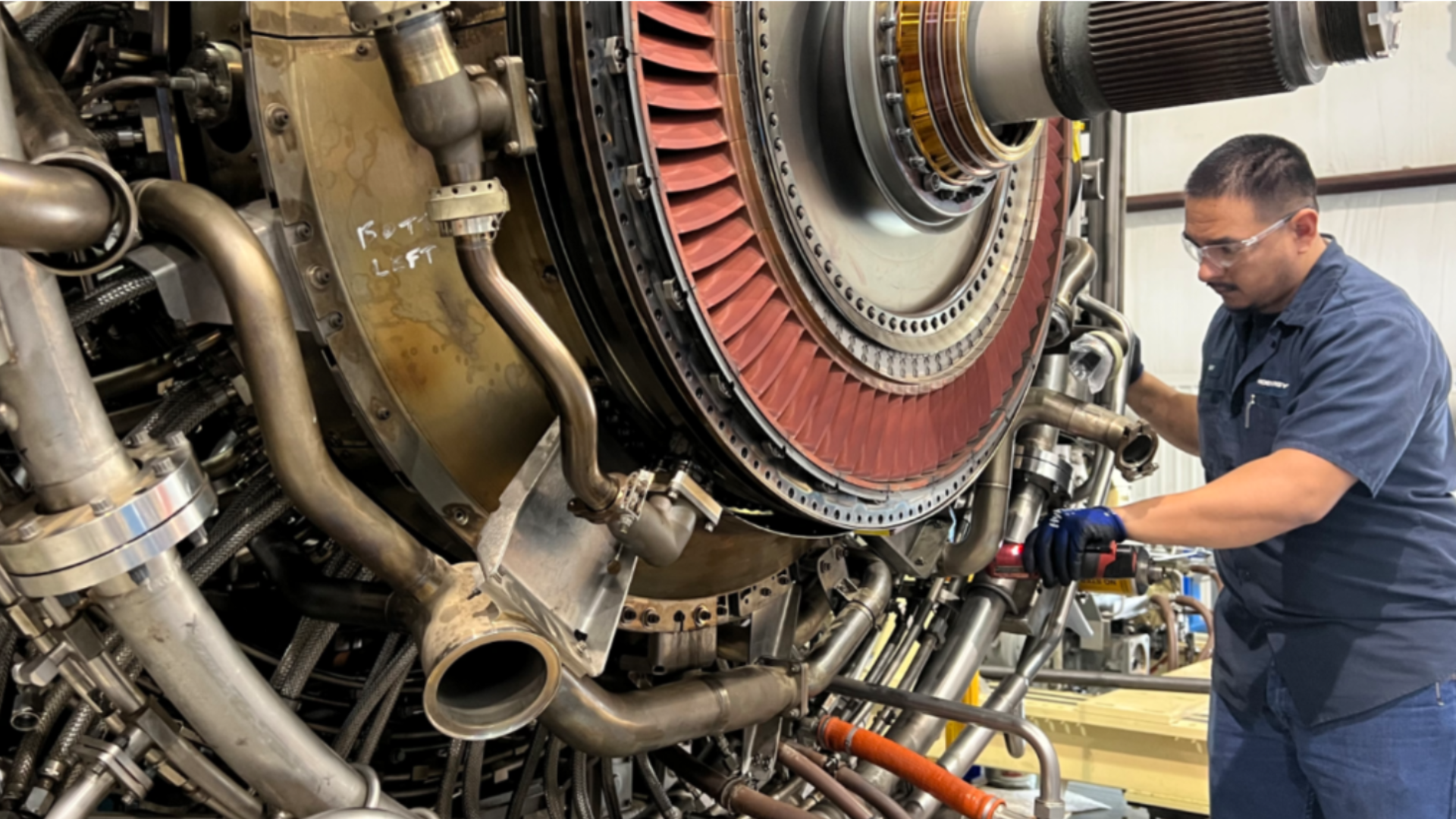
Data center providers are turning to old jet engines to power their output — Elon Musk's xAI installs eight converted engines for a major boost
0TechRadar

What an AI Agent Payment Authorization Actually Authorizes
0dev.to