Industry
ZERITH V2.5: From Predictive Power to Policy Learnability
arXiv cs.RO0 views
arXiv:2611.23746v1 Announce Type: new Abstract: When humans learn to manipulate an unfamiliar object, they may already be able to anticipate how its state will change while still being unable to control it skillfully. This gap between prediction and control motivates us to study how the priors acquired by video generation models can be used effectively by an action policy. We present ZERITH V2.5, a video-action model (VAM) in which the action policy reads intermediate features of a video generation model, and use it to study, under fixed demonstrations and a fixed total number of updates, what kind of predictive training improves subsequent action learning. We find that the way video predictive training is supervised affects subsequent action learning. In our experiments, adapting at many noise levels yields a large gain, while adapting only at the noise level used at deployment yields none. Weight-transfer experiments further show that the gain stays with the adapted weights when they remain in the video generation model and disappears when they are used only to initialize the action policy. Initial loss and gradient measurements at the start of joint training indicate that target-domain predictive training gives the video model a better starting state, making subsequent joint learning of prediction and action easier. Under matched data and training budgets, predictive adaptation improves control. We evaluate the complete policy on LIBERO, LIBERO-Plus, Meta-World MT50, and real-robot tasks.
Source:https://arxiv.org/abs/2611.23746PreviousRecallFlow: Episodic Memory as the Source Distribution of Generative Robot PoliciesNextImprove How You Improve: Recursive Policy Self-Improvement for Zero-Shot Open-Vocabulary Multi-Object Navigation
Related posts

Which Image Is Windows Actually Showing from Your ICO?
0dev.to C#

Future AI Native Robotics — Ch.09: Future Mobility and Physical AI [EN]
0dev.to Programming

Falling Pickaxe Venezuela: Lo Que Aprendí Observando el Multiplicador
0dev.to JavaScript
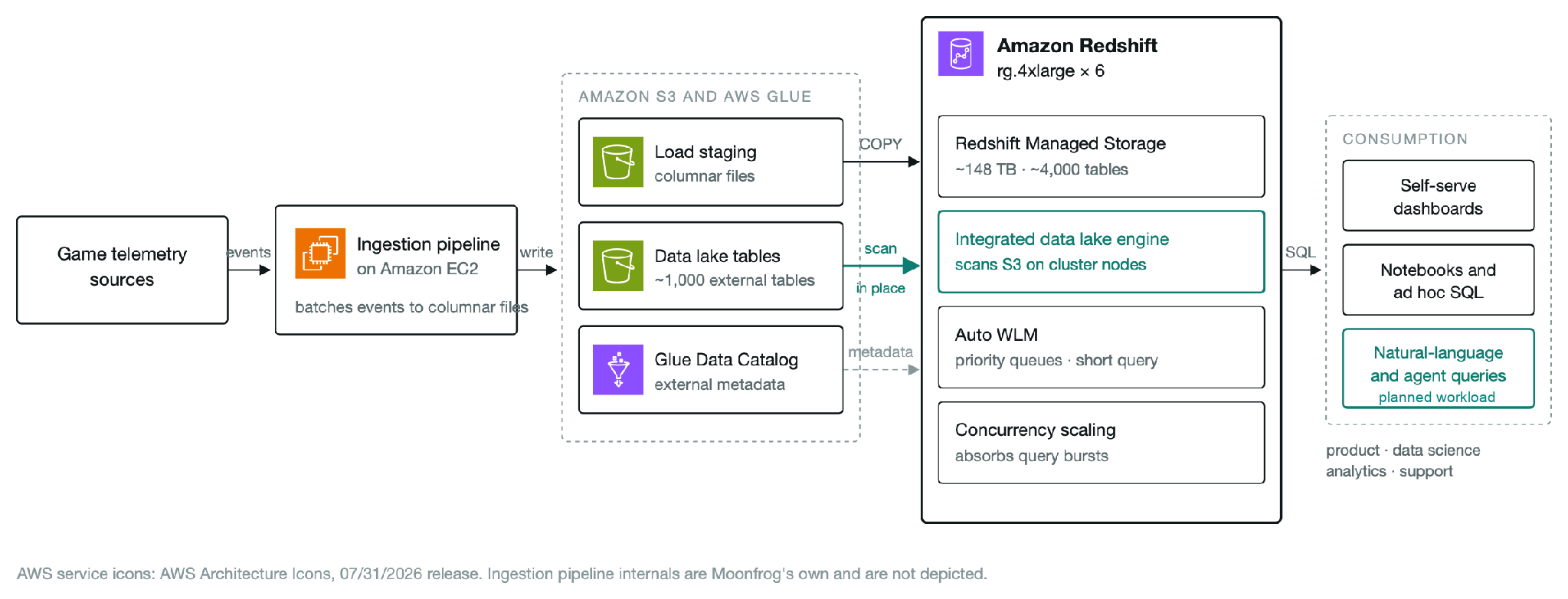
How Moonfrog scales analytics and lowers query cost with Amazon Redshift RG instances
0AWS Big Data Blog
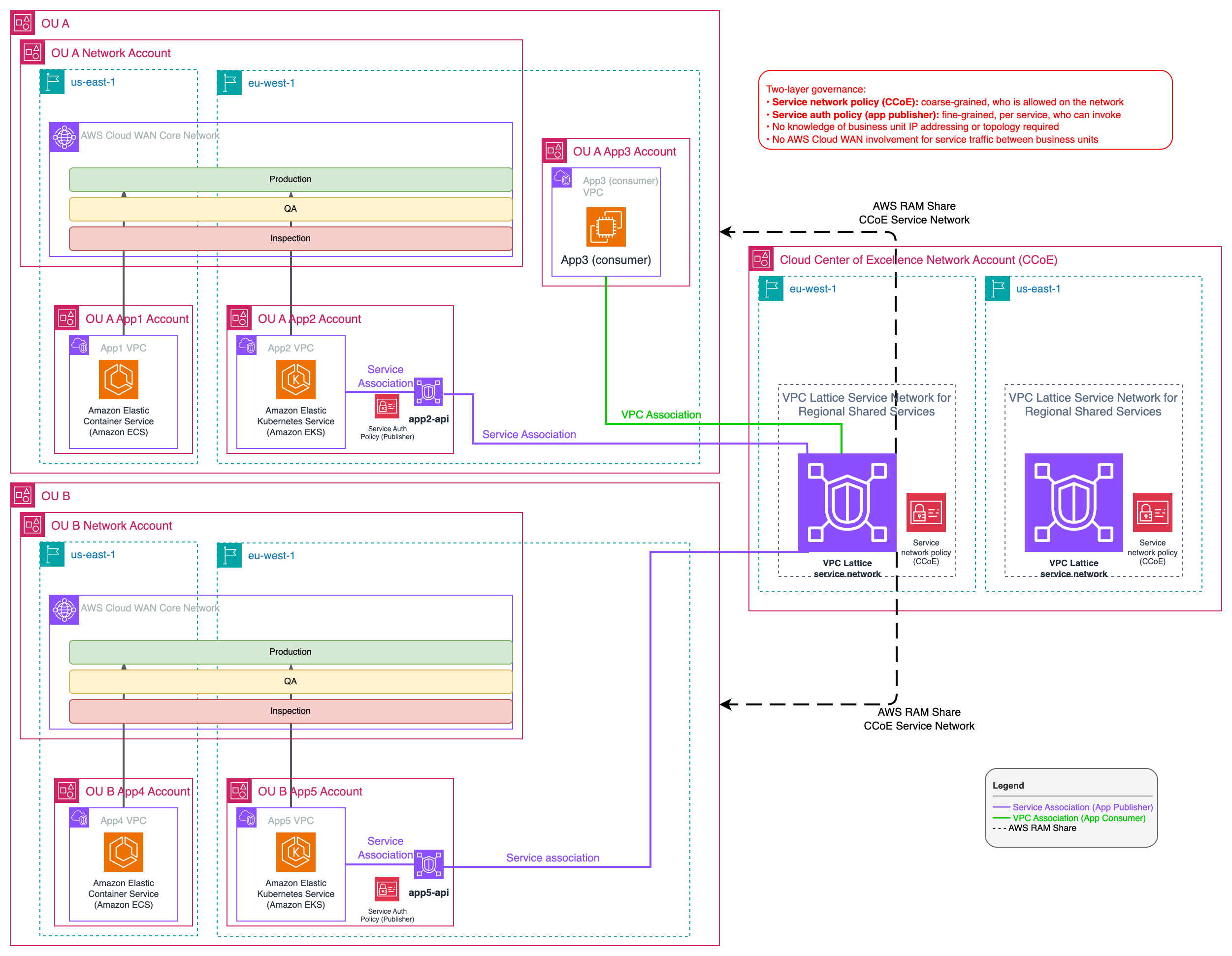
Connect business units with AWS Cloud WAN and Amazon VPC Lattice
0AWS Networking Blog

Amazon Bedrock AgentCore harness adds Strands harness defaults, built-in tools, and lifecycle hooks
0AWS Machine Learning Blog