AI & ML
BEVCast: Path-Adaptive BEV for Efficient End-to-End Autonomous Driving
arXiv cs.RO0 views
arXiv:2611.08631v2 Announce Type: replace-cross Abstract: Camera-based driving models build a dense bird's-eye-view (BEV) grid and spend the same computation on every cell of it, although the vehicle crosses only a few of those cells within the planning horizon. We present BEVCast, a two-stage BEV whose resolution adapts to the predicted driving path. A coarse pass encodes the whole scene on a grid of 4.096 m cells. A heat head trained on the recorded path assigns a heat to every coarse cell and the cells with the highest heat are refined into 1.024 m cells under a fixed budget. The remaining cells keep their coarse resolution, so the trajectory head reads a mixed-resolution BEV that still covers the entire scene and needs neither an HD map nor a navigation command. Against a full grid of 1.024 m cells with the same architecture and training recipe, BEVCast at a 10% refinement budget encodes 28% of the BEV queries and needs 66% of the BEV encoder time at batch size 1. On nuScenes its mean displacement error is 1.078 m against 1.149 m and its drivable area violation rate is 1.46% against 2.29%. On NAVSIM navtest its mean displacement error is 0.577 m against 0.598 m and its extended predictive driver model score is 82.51 against 81.28. Next to published planners BEVCast reaches a comparable error on both benchmarks without a navigation command. The resolution of a driving BEV can therefore follow the task instead of the grid.
Source:https://arxiv.org/abs/2611.08631PreviousLatent Projection for Latent PlanningNextFull Fine-Tuning (FFT) on SageMaker AI Serverless Model Customization
Related posts
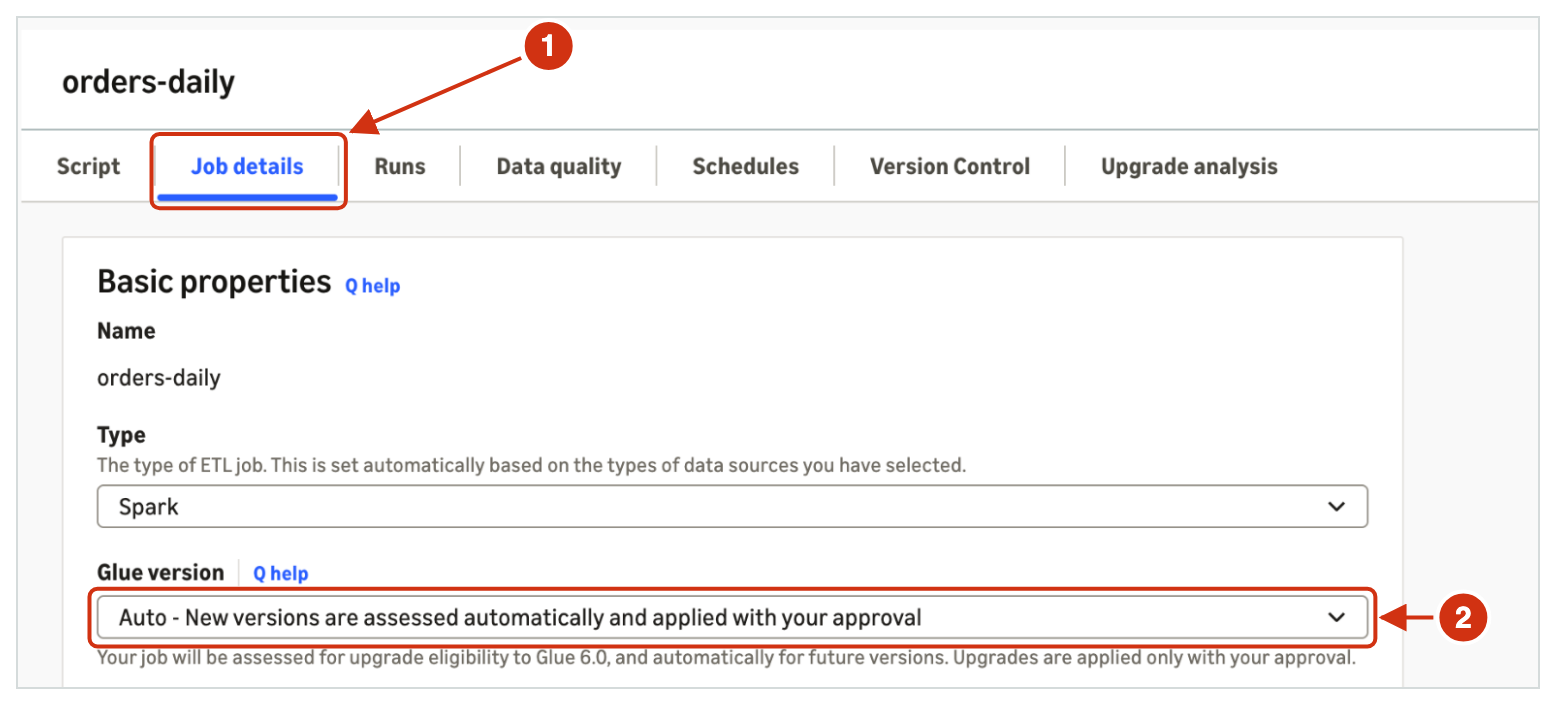
Introducing automatic version upgrades for AWS Glue jobs
0AWS Big Data Blog
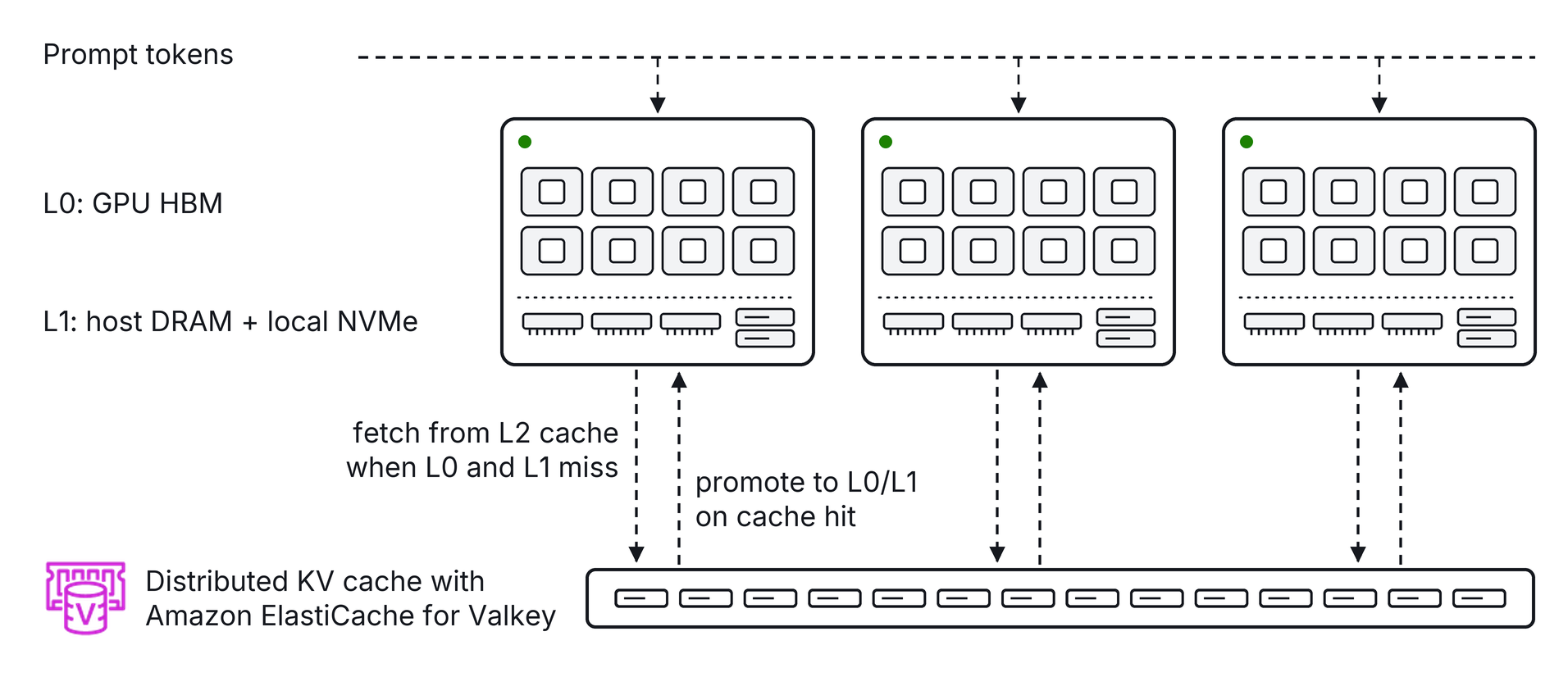
Announcing distributed KV caching for self-hosted LLMs with Amazon ElastiCache
0AWS Database Blog

Exa boosts embedding throughput by 50% to index billions of documents on AWS AI chips
0AWS Machine Learning Blog

World-Model Gradient Refinement in CEM: An Empirical Study
0arXiv cs.RO

PRIME: Perception Feedback with Situational Memory Embeddings in VLA Models
0arXiv cs.RO

Rollback the World, Keep the Reflection: Rollback-Induced Reflection for Long-Horizon LLM Agents
0arXiv cs.RO